What this family is
What unites this family is the market, not a mechanism: everything here is sold for ageing, energy or metabolism. Two are peptides encoded in mitochondrial DNA itself — MOTS-c and humanin — with striking laboratory biology. SS-31 concentrates in mitochondria and binds cardiolipin. NAD+ is a coenzyme, and its precursors NMN and NR are supplements. 5-Amino-1MQ inhibits an enzyme raised in the fat of obese people. Adipotide kills the blood vessels that feed fat — dramatically in monkeys, with kidney damage in the same monkeys, and never reported in a human. Epitalon is a synthetic tetrapeptide promoted on telomerase activation in cell culture, and pinealon and vilon a tripeptide and a dipeptide from the same St Petersburg school, sold for the brain and the immune system. Glutathione is the cell's main antioxidant, sold by injection for skin lightening. FOXO4-DRI is a senolytic peptide with one landmark mouse paper and no human study.
The human evidence sorts into three levels. SS-31 is a genuine, narrowly approved medicine — for Barth syndrome, an ultra-rare genetic disease, on the strength of an open-label extension after a decade of negative trials in larger conditions. NAD+ precursors reliably raise NAD+ levels in randomised trials without yet showing a clinical benefit; glutathione's trials for skin are small and inconclusive. MOTS-c, humanin, 5-Amino-1MQ, adipotide, epitalon, pinealon, vilon and FOXO4-DRI have no controlled human trial of administration at all — for the two mitochondrial peptides, every human study measures the levels people already have.
Most members are prohibited in sport under the non-approved-substances rule. None is approved for any anti-ageing use.
Grade counts across the family: 0 × A · 0 × B · 3 × C · 8 × D. The best grade here, C, means weak human evidence. How LYO grades →
The compounds, graded
Every member with its best-supported outcome grade, human-trial count and regulatory status. Each opens the full evidence page.
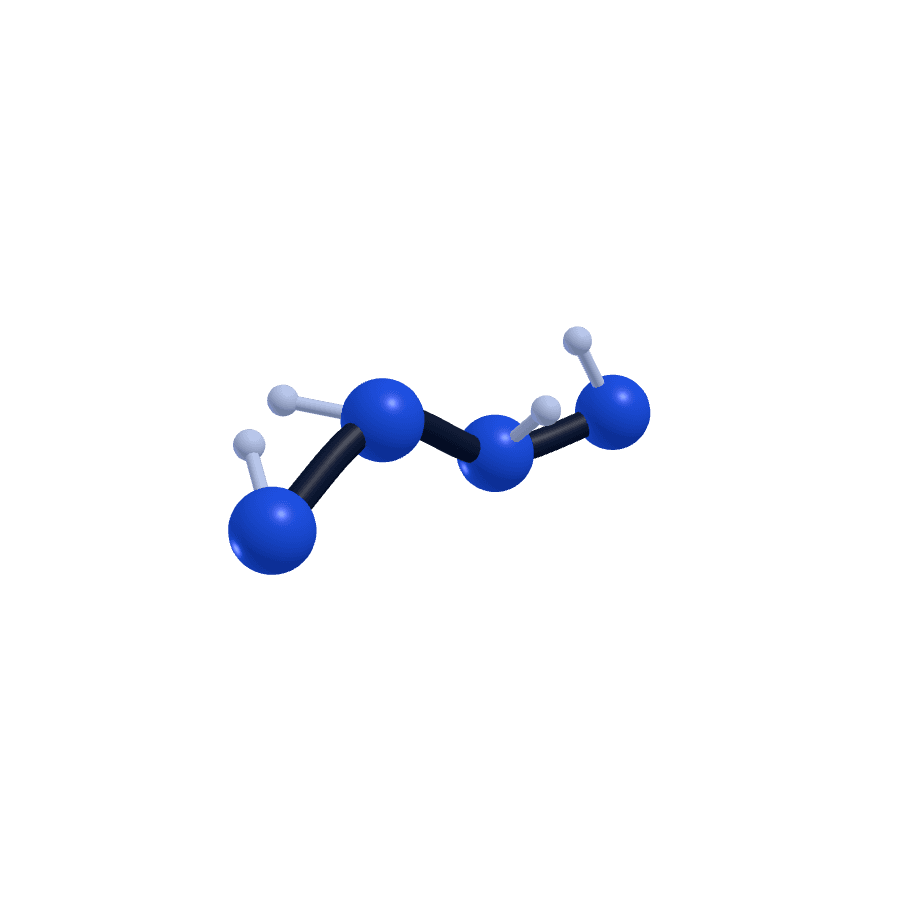
SS-31 (elamipretide)
CMitochondria-targeting tetrapeptide. Newly approved for one ultra-rare disease after a decade of failed trials in bigger ones.
NAD+ and precursors
CNot a peptide, but sold in the same market — supplements that raise a coenzyme, with clinical benefit still unproven.
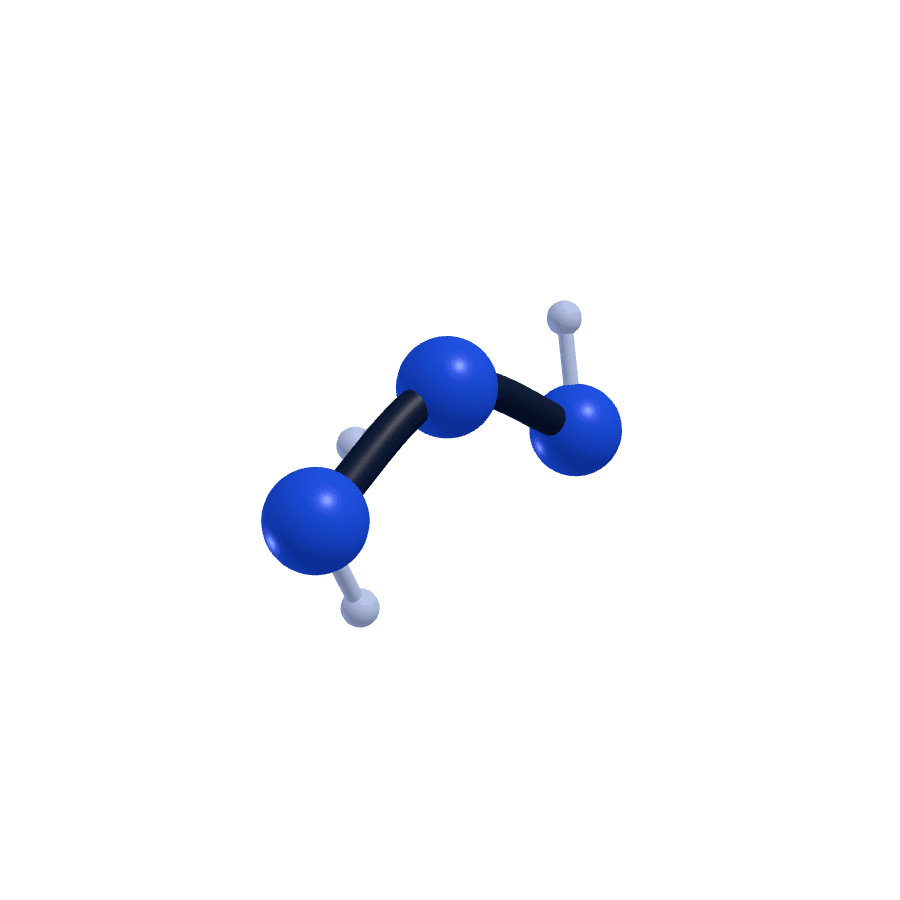
Glutathione
CThe body's main antioxidant, sold by injection for skin lightening on inconclusive evidence.
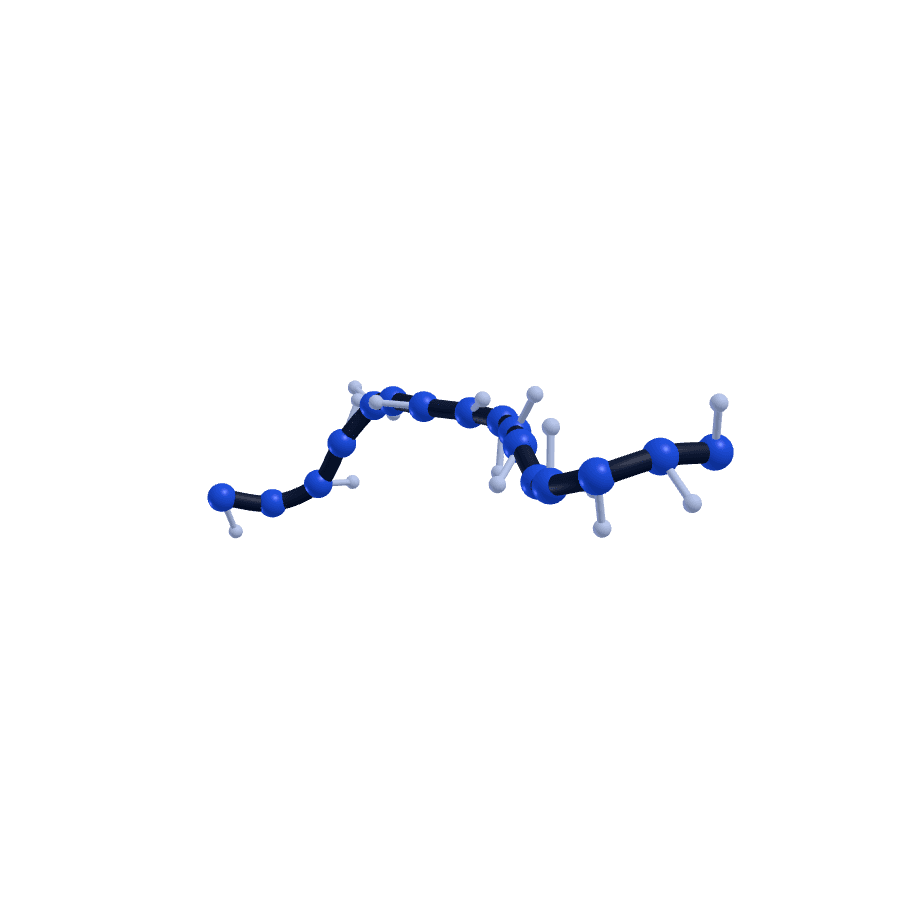
MOTS-c
DMitochondrial-derived peptide with striking mouse metabolic data and no human trial.
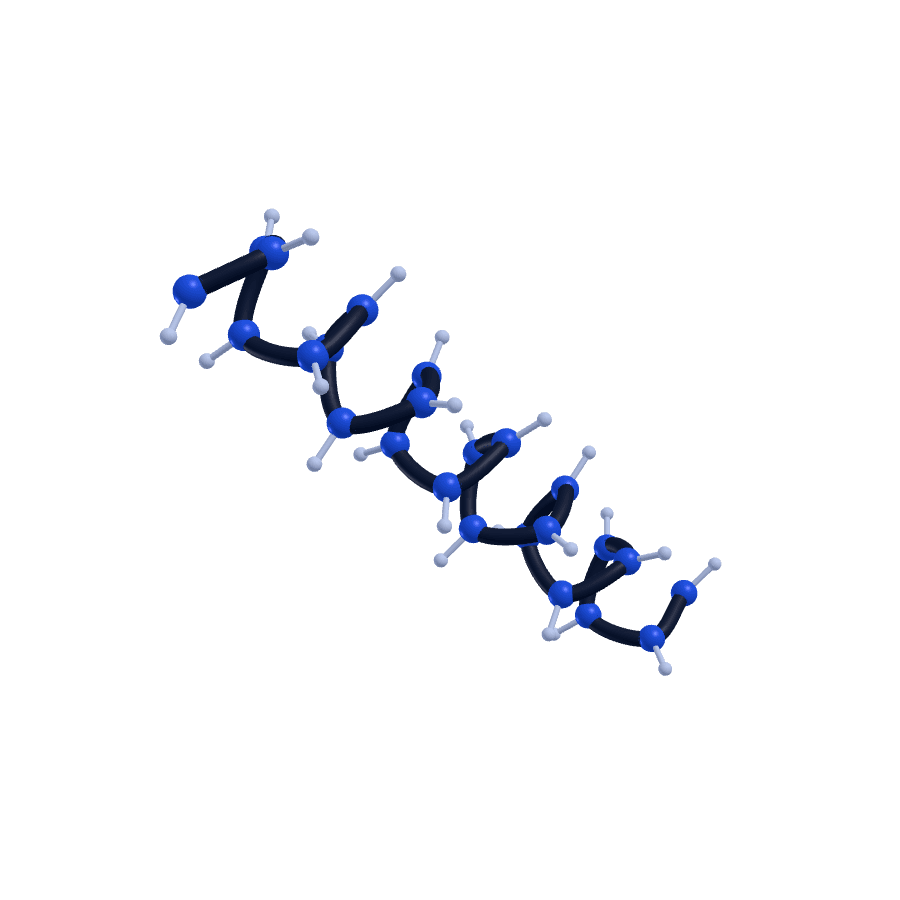
Humanin
DA mitochondria-encoded peptide with striking lab biology and only observational human data.
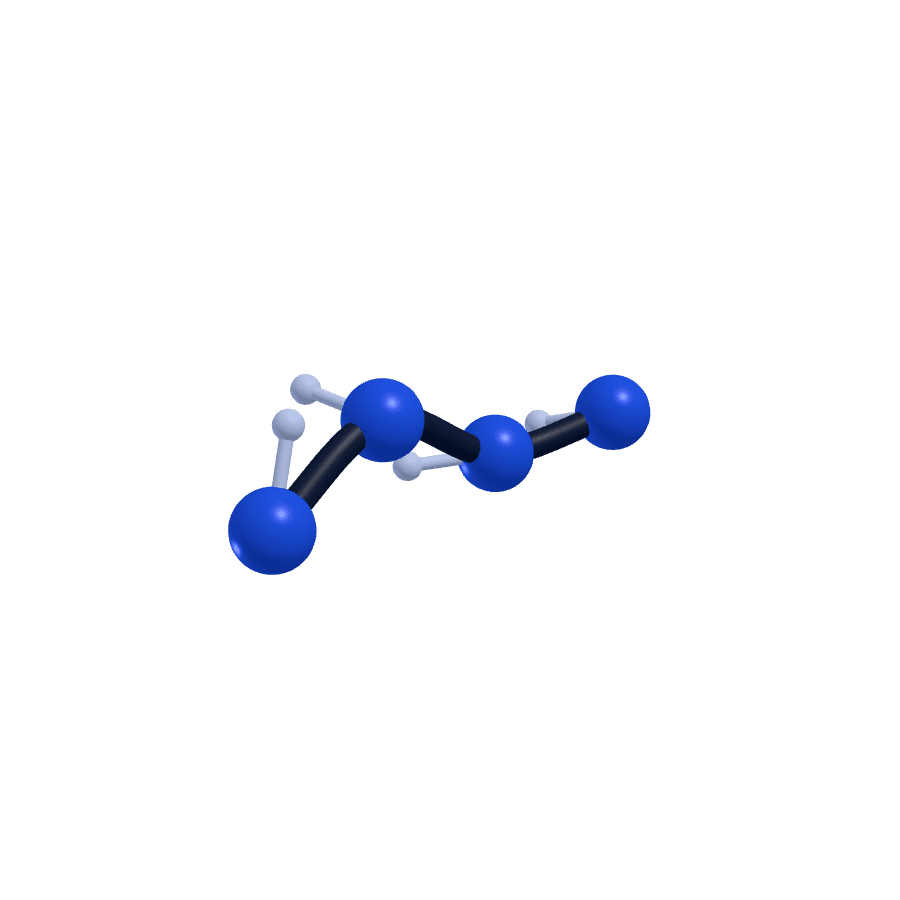
Epitalon
DSynthetic tetrapeptide from a Russian gerontology institute. The human studies mostly tested a different product.
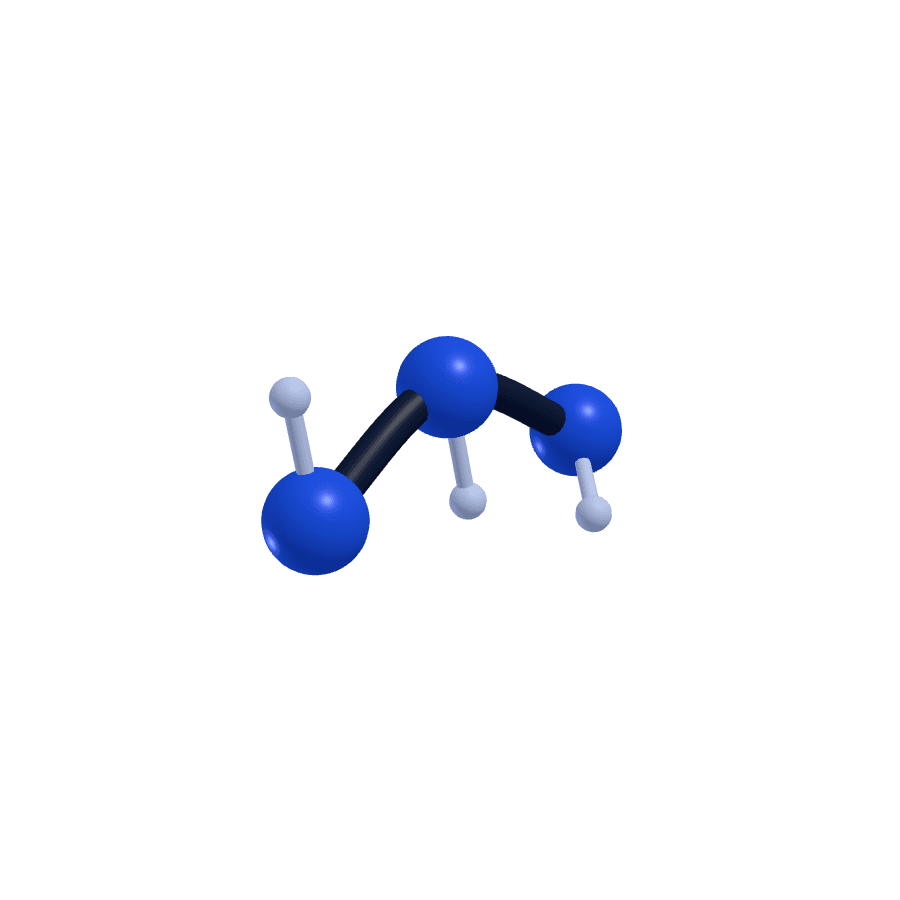
Pinealon
DA three-amino-acid 'brain bioregulator' from the epitalon school. Cell and rat studies; the human reports are Russian, uncontrolled and unindexed.
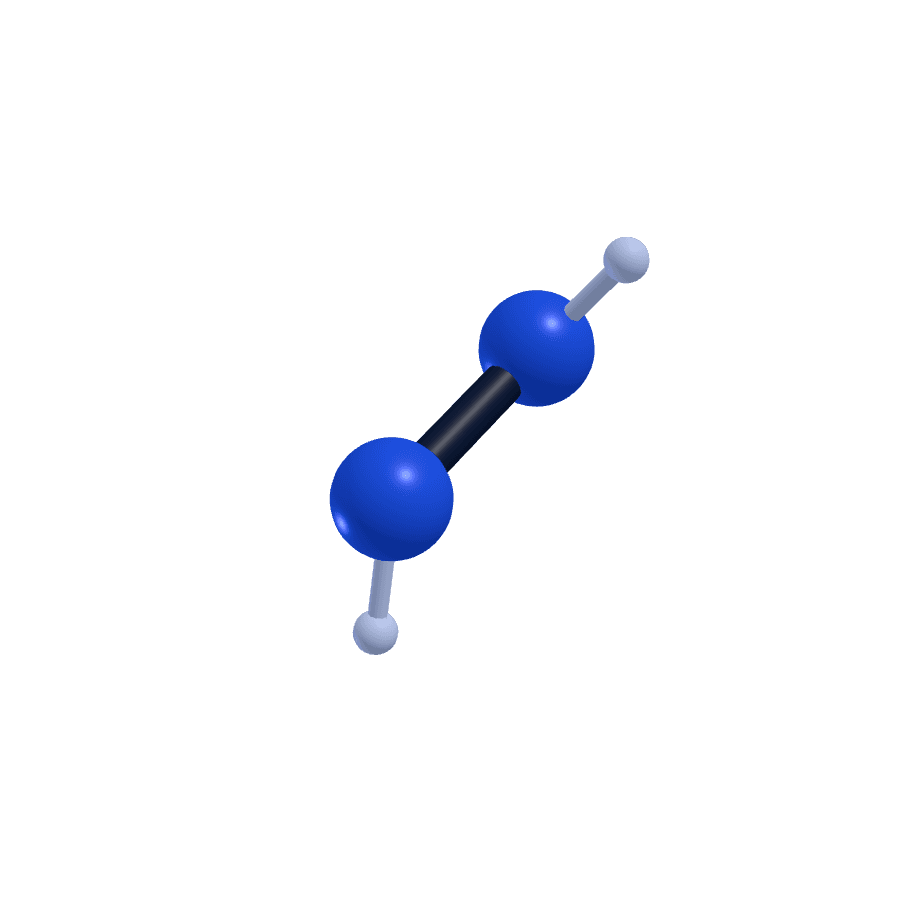
Vilon
DA two-amino-acid 'thymic bioregulator' from the epitalon school. Mouse lifespan and tumour studies; no human trial.
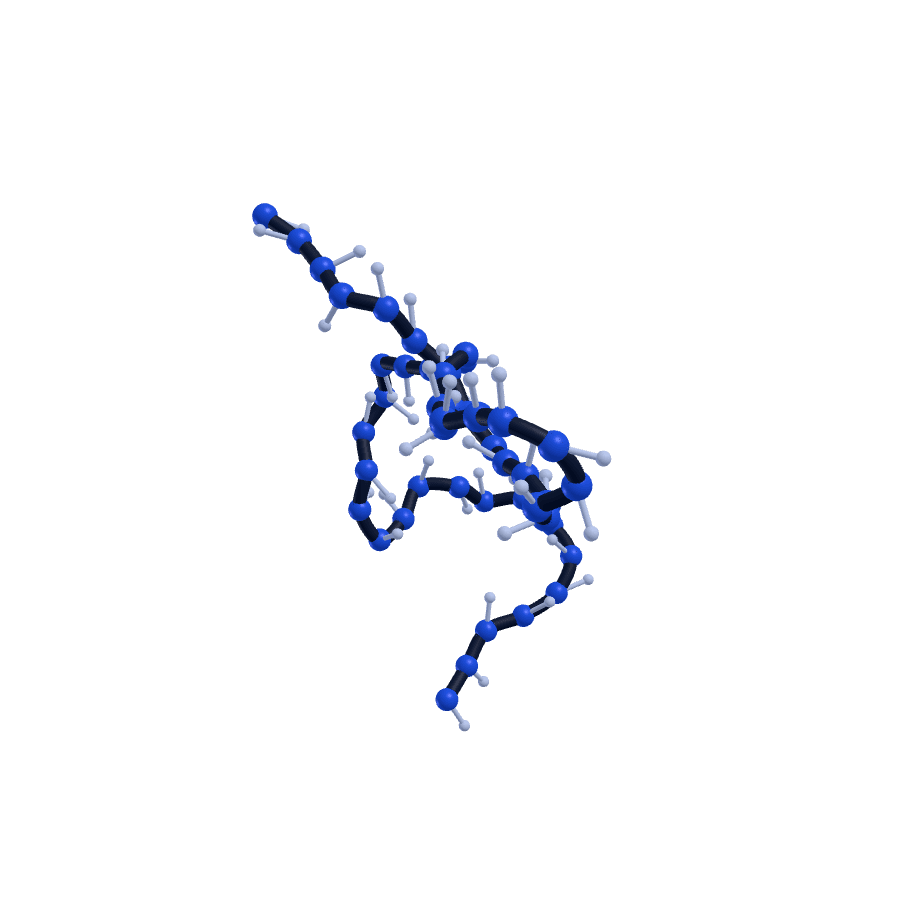
FOXO4-DRI
DThe senolytic peptide. One landmark mouse paper in Cell, no human study of any kind, and a grey market that sells it as an anti-ageing injection.
5-Amino-1MQ
DA metabolic enzyme inhibitor with mouse fat-loss data and no human trial.
Adipotide
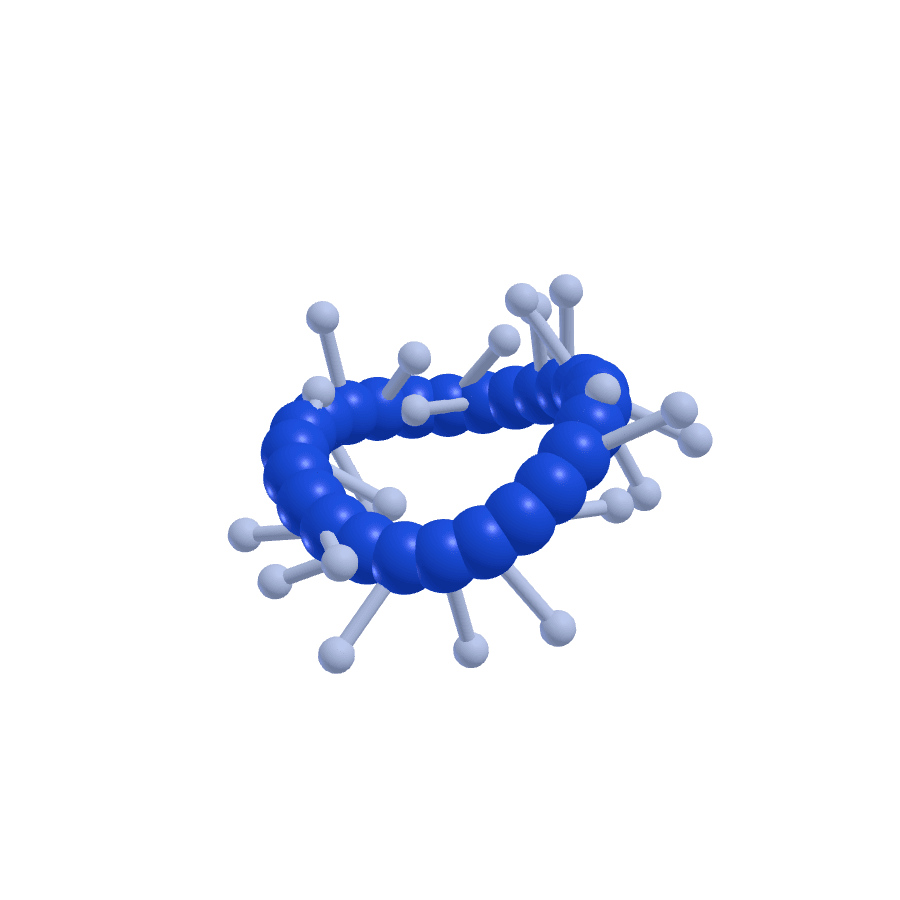
DA peptide designed to kill the blood vessels that feed fat. Dramatic in obese monkeys, kidney-toxic in the same monkeys, and never reported in a human.
Questions
Which longevity compound has human evidence?
Has MOTS-c been tested in people?
Has FOXO4-DRI been tested in people?
Do NAD+ supplements work?
Related families
- Tissue-repair peptides5 compounds
- GLP-1 and incretin agonists18 compounds
Written and maintained by LYO Research — how pages are written and checked. Reviewed 23 September 2026. Grades count human evidence only. Not medical advice. Correct this page →