What the human research shows
A sibling of MOTS-c: genuinely novel biology (mitochondria encode signalling peptides) paired with zero human intervention evidence. The human studies measure natural humanin; they say nothing about injecting it.
Evidence profile0–5
- Metabolic & weightD0.0
- Cardiovascular—0.0
- Muscle & growth—0.0
- Healing & repair—0.0
- Neuro & sleep—0.0
- Immune & inflammation—0.0
- Sexual & hormonal—0.0
- Skin & appearance—0.0
- Ageing & longevityD0.0
| Outcome | Grade | Effect size | Human studies | Where the evidence comes from |
|---|---|---|---|---|
| Cytoprotection / metabolic health | DNo human evidence | Not measurable | 0 controlled | Humanin protects neurons and other cells from stress in laboratory and animal models. Human work is observational — levels correlate with age and disease — and cannot show what supplementation would do. |
| Ageing / longevity | DNo human evidence | Not measurable | Association only | Higher circulating humanin has been associated with markers of health and with dietary patterns in cohort studies. Association in people who already have it is not an intervention result. |
| Safety in humansadverse | DNo human evidence | Not measurable | None | No human dosing study of any kind, and therefore no safety data. |
Literature searched to 3 September 2026. Human studies only; animal and cell work informs the mechanism section and nothing else.
What it is
Humanin was the first discovered of the mitochondrial-derived peptides — short peptides encoded in mitochondrial DNA that act as signals to the rest of the cell and body. It was found in 2001 in brain tissue relatively spared in Alzheimer's disease.
It is sold, like MOTS-c, as an injectable 'mitochondrial' and anti-ageing peptide. The distance between the discovery biology and 'inject this' is the entire clinical development process, none of which has been done.
How it is thought to work
It interacts with cell-surface and intracellular targets to blunt apoptosis (programmed cell death) and inflammatory stress in laboratory models. Human blood levels decline with age, which is an association, not a demonstrated mechanism of benefit from supplementation.
What is still unknown
- Whether administering humanin does anything in a person.
- Dose, route, half-life and safety in humans — none established.
- Whether the age-related decline is a cause or a consequence of anything.
The molecule and how long it lasts
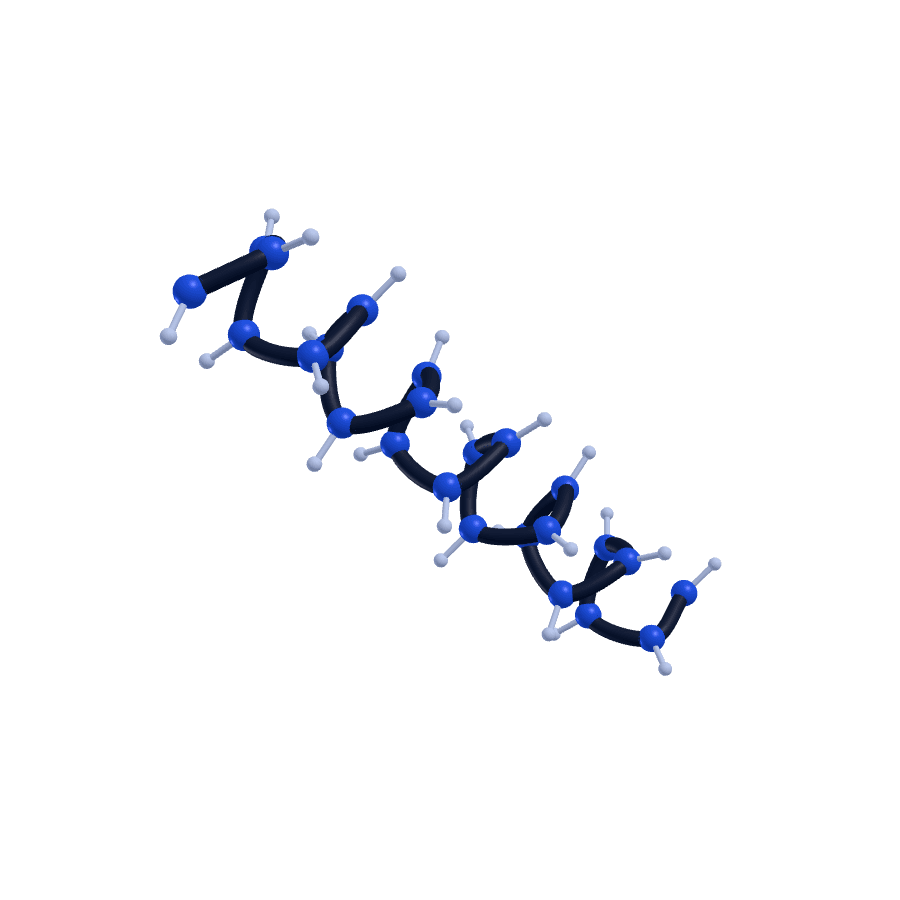
- Formula
- C119H204N34O32S2
- Molecular weight
- 2687.2 g/mol
- CAS number
- 330936-69-1
- PubChem
- CID 16131438
PubChem record, read 23 September 2026.
- Route
- Injected as sold; no human administration study
- Half-life
- No human pharmacokinetic data
No pharmacokinetic study in people.
Regulatory status
No marketing authorisation in any member state. Supplying it for human use is an offence under national medicines law; a 'research use only' label does not change that.
Not an approved drug and not a dietary-supplement ingredient. Sold as a 'research chemical' outside the medical system; the FDA has warned against several compounds in this class.
Not licensed by the MHRA. Selling or supplying it for human use is an offence under the Human Medicines Regulations 2012.
Not on the ARTG. Supply without a prescription is unlawful; imports are seized.
No Drug Identification Number; selling it for human use is illegal.
As a non-approved substance, humanin falls under WADA class S0 (non-approved substances) and is prohibited in and out of competition.
Questions people actually ask
Does humanin slow ageing?
Is it the same idea as MOTS-c?
One page per claimed effect
- DDoes Humanin help with cytoprotection / metabolic health?0 controlled
- DDoes Humanin help with ageing / longevity?Association only
- DHow common is safety in humans with Humanin?None
References
- 1Hashimoto Y, et al. A rescue factor abolishing neuronal cell death by a wide spectrum of familial Alzheimer's disease genes and Aβ (humanin).Proc Natl Acad Sci USA, 2001;98:6336–6341The discovery paper.
- 2Observational human studies of circulating humanin with age, disease and diet.Various, e.g. Aging (Albany NY) and Front Nutr, 2018–2026Association studies; not interventions.
Change log
- 2026-09-03Initial publication. All outcomes graded D on absence of human intervention trials.