What this family is
Each of these is a real hormone with a real approved use. Oxytocin is licensed as an injection to induce labour and control bleeding. HCG, the pregnancy hormone, triggers ovulation in fertility treatment and treats certain forms of low testosterone. Gonadorelin is GnRH itself — the pulse the hypothalamus sends to the pituitary — licensed as a pituitary test and, by pump, as a fertility treatment. Leuprolide is GnRH re-engineered to be present continuously, which does the opposite: after a brief surge it shuts the axis down, the basis of forty years of prostate-cancer treatment and of puberty suppression and IVF protocols. Kisspeptin sits one step above it, the switch that makes the hypothalamus release GnRH; it is not yet an approved medicine but is used in research and IVF trials.
The grey-market reputations are a different matter. Intranasal oxytocin, promoted for bonding, appetite and social behaviour, has been through large randomised trials: the biggest in autism found no benefit, and a randomised obesity trial found no weight loss. The HCG diet — injections plus a 500-calorie regime — is one of the most thoroughly refuted claims in medicine; a meta-analysis found HCG does nothing for weight, hunger or fat distribution. Gonadorelin's popular use — injected a few times a week alongside testosterone replacement to 'keep the testes working' — has never been tested in a trial; the same molecule given continuously shuts the axis down. Kisspeptin's small randomised crossover trials at Imperial College showed increased sexual-brain activation in people with low desire, which is a real but research-scale finding.
HCG, gonadorelin, leuprolide and kisspeptin are prohibited for male athletes. Oxytocin is not on the list.
Grade counts across the family: 2 × A · 1 × B · 2 × C · 0 × D. The best grade here, A, means established in humans. How LYO grades →
The compounds, graded
Every member with its best-supported outcome grade, human-trial count and regulatory status. Each opens the full evidence page.
HCG (human chorionic gonadotropin)
AA real fertility medicine, and the subject of one of the most thoroughly refuted weight-loss claims in medicine.
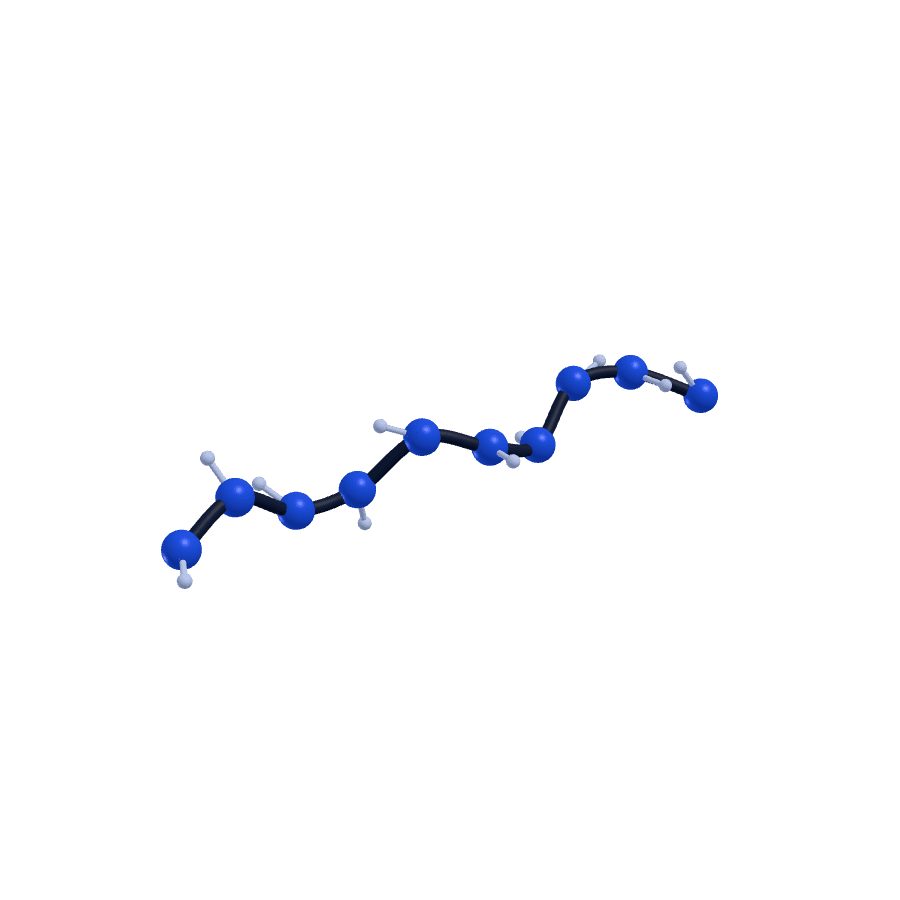
Gonadorelin (GnRH)
BThe natural hormone at the top of the reproductive axis. A licensed diagnostic and fertility treatment — and a TRT-clinic add-on with no trial for that use.
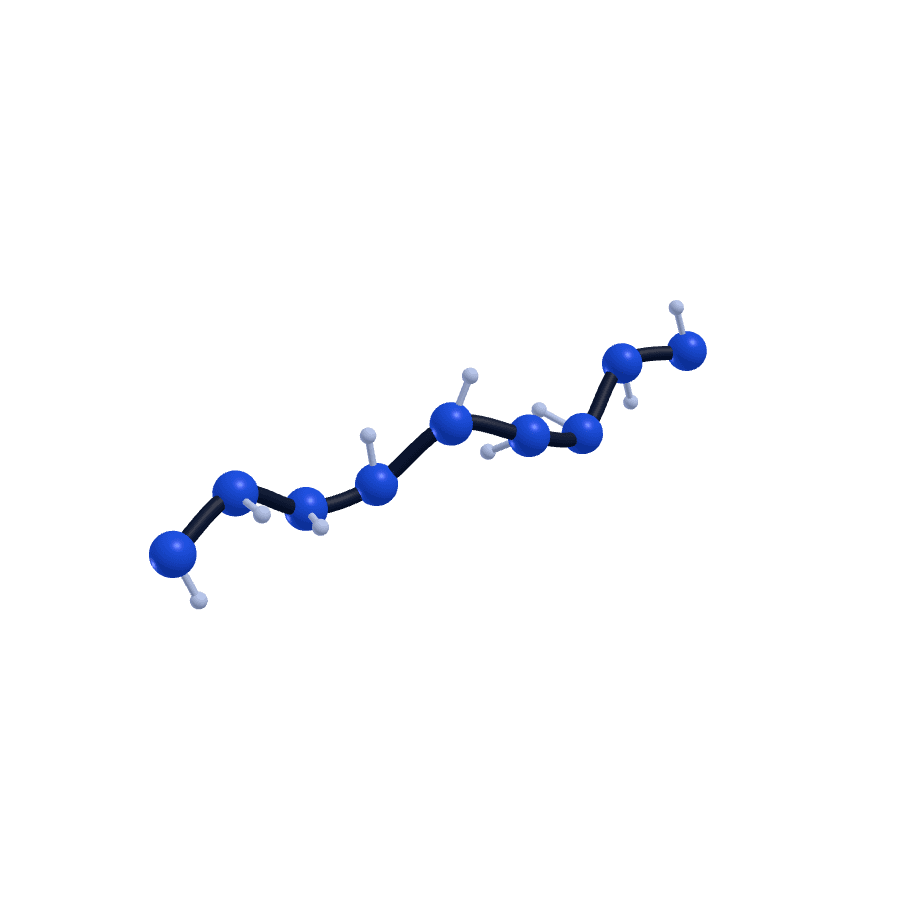
Leuprolide (leuprorelin)
AA GnRH analogue that switches the sex-hormone axis off. Forty years as a standard prostate-cancer treatment, and the drug behind most puberty suppression and IVF protocols.
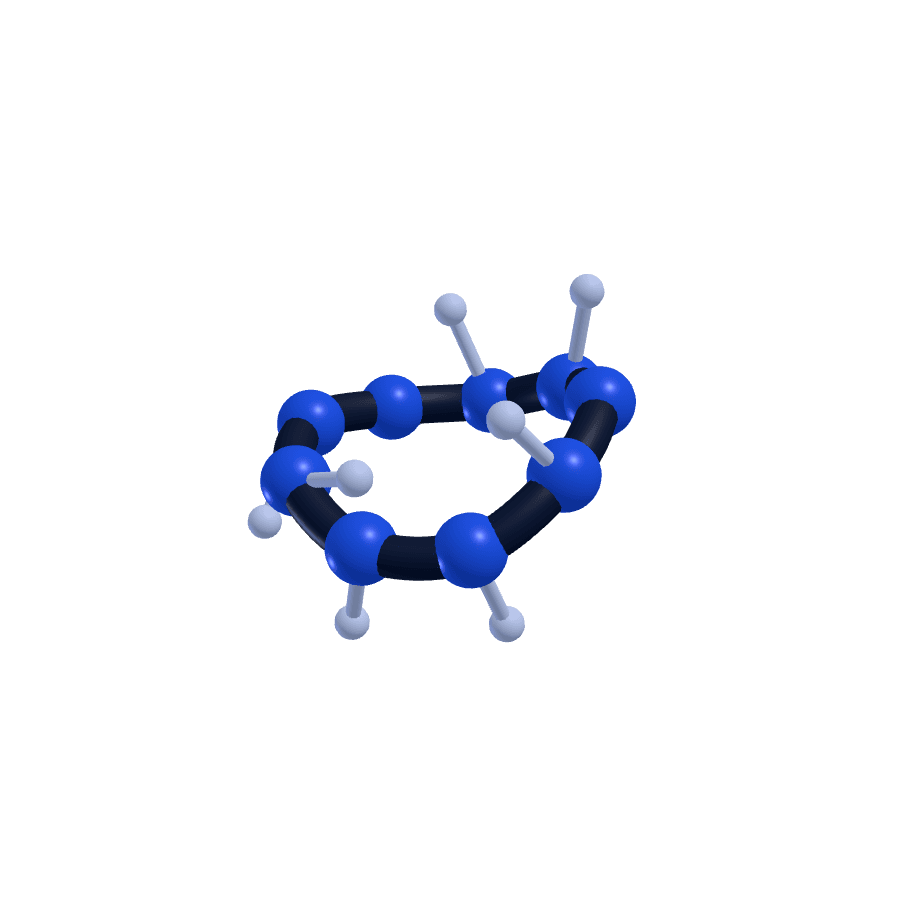
Oxytocin (intranasal)
CA real hormone with a real injectable licence — and a nasal-spray reputation its trials do not support.
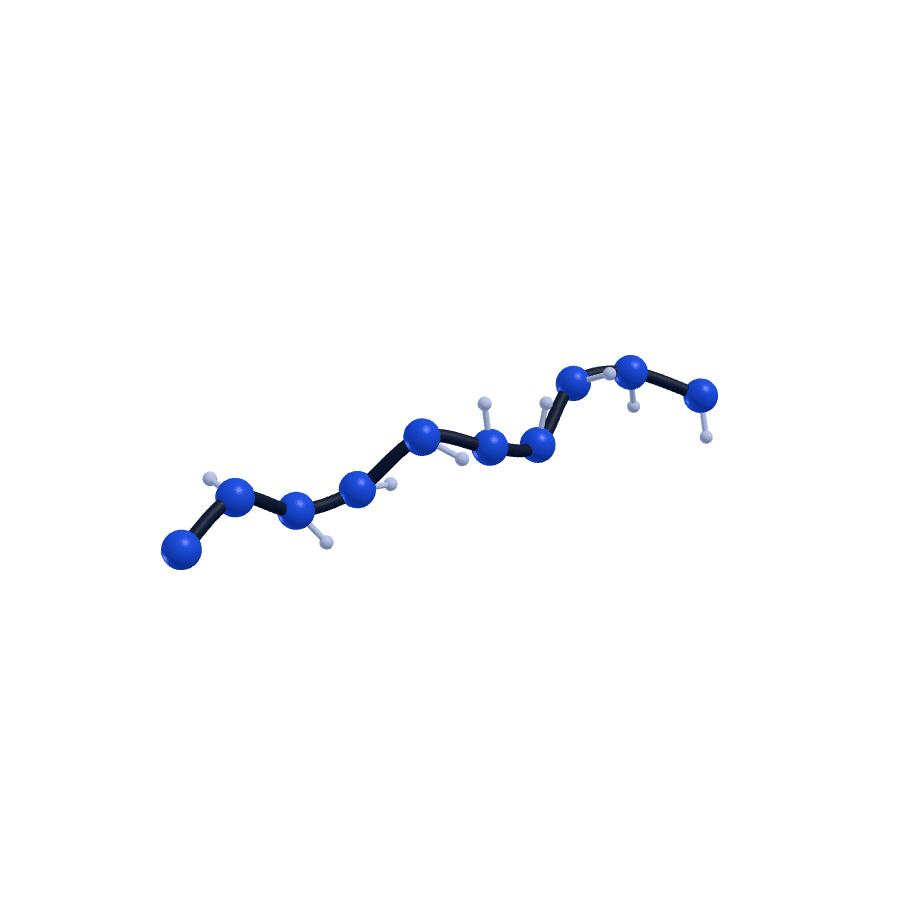
Kisspeptin
CReproductive-axis neuropeptide. Small academic trials in fertility and low sexual desire; not approved.
Comparisons
- Leuprolide vs gonadorelinacross studies
Questions
Does HCG cause weight loss?
Does intranasal oxytocin work for autism?
What is kisspeptin used for?
How can gonadorelin and leuprolide act on the same receptor and do opposite things?
Does gonadorelin protect fertility on TRT?
Related families
- Melanocortin agonists4 compounds
- Nootropic and sleep peptides7 compounds
Written and maintained by LYO Research — how pages are written and checked. Reviewed 23 September 2026. Grades count human evidence only. Not medical advice. Correct this page →