What this family is
Growth-hormone-releasing hormone is the signal from the hypothalamus that makes the pituitary secrete growth hormone. These three compounds are fragments or modified versions of it. They only work through a functioning pituitary, and they preserve the natural pulsatile pattern of release — which is the argument made for them over injecting growth hormone itself.
Tesamorelin is the only one with an approval and an outcome: in people with HIV-associated lipodystrophy it reduces visceral fat by about 15% over six months, and the fat returns when treatment stops. Sermorelin was approved in 1990 as a diagnostic test in children and withdrawn in 2008 for commercial reasons; it raises growth hormone reliably, but the adult anti-ageing claims rest on small open-label studies. CJC-1295 was engineered to bind albumin and last days rather than minutes — early trials showed sustained rises in growth hormone and IGF-1 — and then development stopped, with no trial ever measuring a clinical outcome.
The common gap is the same across all three: raising a hormone is measurable, and measured; whether that changes body composition, strength or ageing in healthy adults has not been tested. Every member is prohibited in sport under WADA's S2 category, and the popular 'stack' with a GH secretagogue has never been studied as a combination.
Grade counts across the family: 0 × A · 1 × B · 2 × C · 0 × D. The best grade here, B, means probable, not settled. How LYO grades →
The compounds, graded
Every member with its best-supported outcome grade, human-trial count and regulatory status. Each opens the full evidence page.
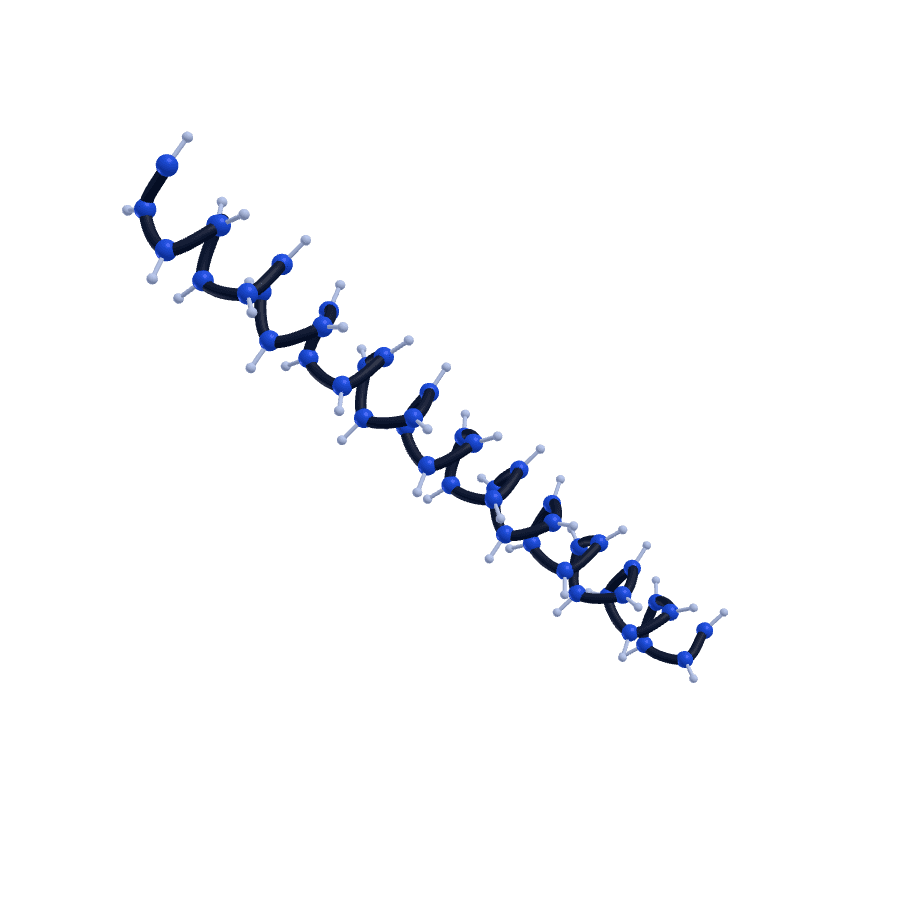
Tesamorelin
BGHRH analogue. Approved for one narrow indication; the general-population claims are extrapolation.
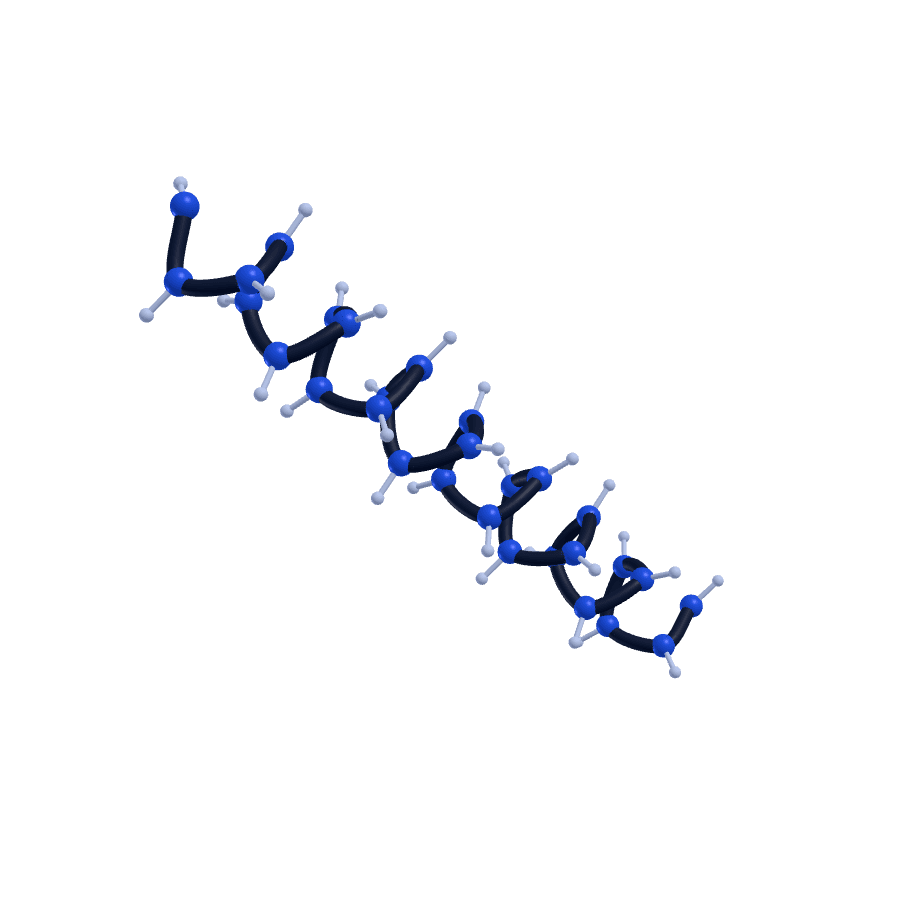
Sermorelin
CWas an approved medicine for diagnosing growth-hormone deficiency in children. Withdrawn commercially; adult use is off-label with thin data.
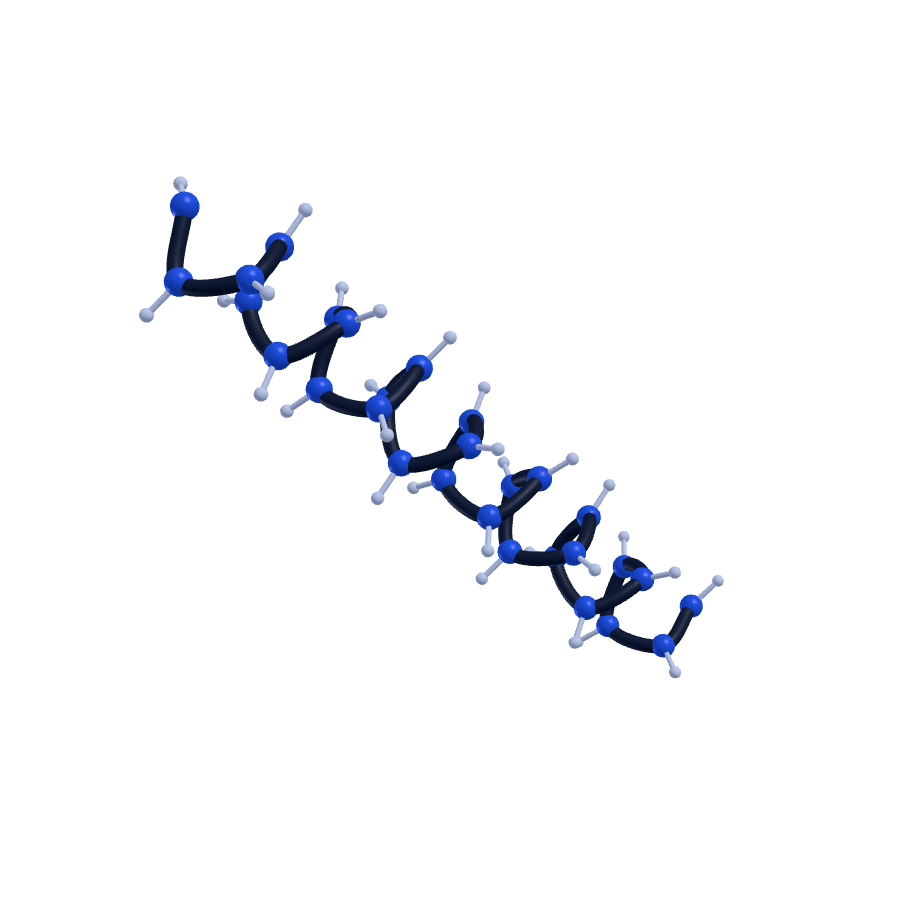
CJC-1295
CLong-acting GHRH analogue. Raises growth hormone for days; development stopped and no outcome trial exists.
Comparisons
- CJC-1295 vs sermorelinacross studies
- Ipamorelin vs CJC-1295across studies
- Ipamorelin vs sermorelinacross studies
- HGH vs sermorelinacross studies
Questions
What is the difference between a GHRH analogue and a GH secretagogue?
Is tesamorelin approved for fat loss?
Does CJC-1295 raise growth hormone?
Related families
- GH secretagogues (GHRPs)5 compounds
- Growth hormone, IGF-1 and growth factors5 compounds
Written and maintained by LYO Research — how pages are written and checked. Reviewed 23 September 2026. Grades count human evidence only. Not medical advice. Correct this page →