What this family is
This family is defined by what it is sold for rather than by a shared receptor: injury, recovery, gut repair and skin. BPC-157 is a fragment of a gastric protein with a large rat literature. TB-500 is a fragment of thymosin beta-4, a cell-migration protein. GHK-Cu is a copper-binding tripeptide found in plasma, and AHK-Cu its synthetic cousin sold for hair. KPV is the last three amino acids of the hormone α-MSH, studied for anti-inflammatory effects in the gut.
The human evidence is thin in a specific way. GHK-Cu has small trials of topical use for fine lines and skin firmness, which is why it is a legitimate cosmetic ingredient — and no evidence at all for injection. AHK-Cu has one laboratory study on cultured follicles and nothing in a person. Full-length thymosin beta-4 went through phase 3 trials as an eye drop, with mixed results and no approval; the injected fragment people buy has never completed a human trial. BPC-157's entire human literature is a 12-patient case series and a two-person pilot. KPV has no human study of any kind.
BPC-157 and TB-500 are prohibited in sport at all times. BPC-157 has been the subject of regulatory action in the United States, Australia and Canada. None is an approved medicine.
Grade counts across the family: 0 × A · 0 × B · 1 × C · 4 × D. The best grade here, C, means weak human evidence. How LYO grades →
The compounds, graded
Every member with its best-supported outcome grade, human-trial count and regulatory status. Each opens the full evidence page.
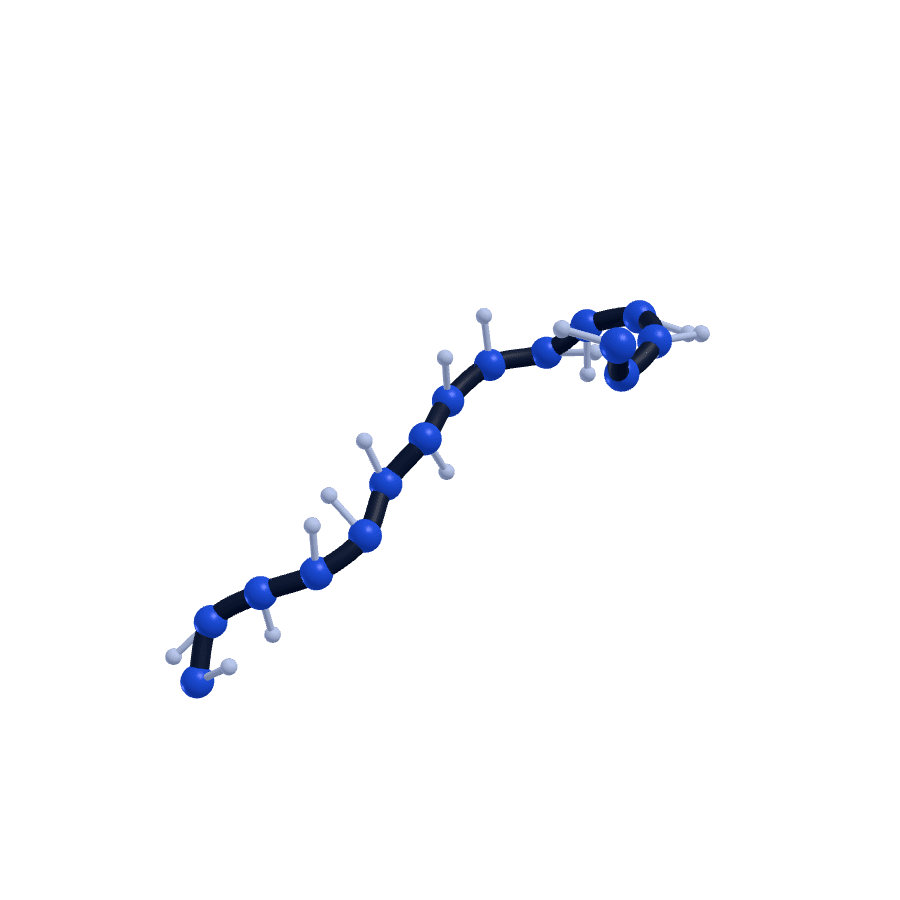
BPC-157
DSynthetic pentadecapeptide from a gastric protein. Striking animal results; no controlled human trials.
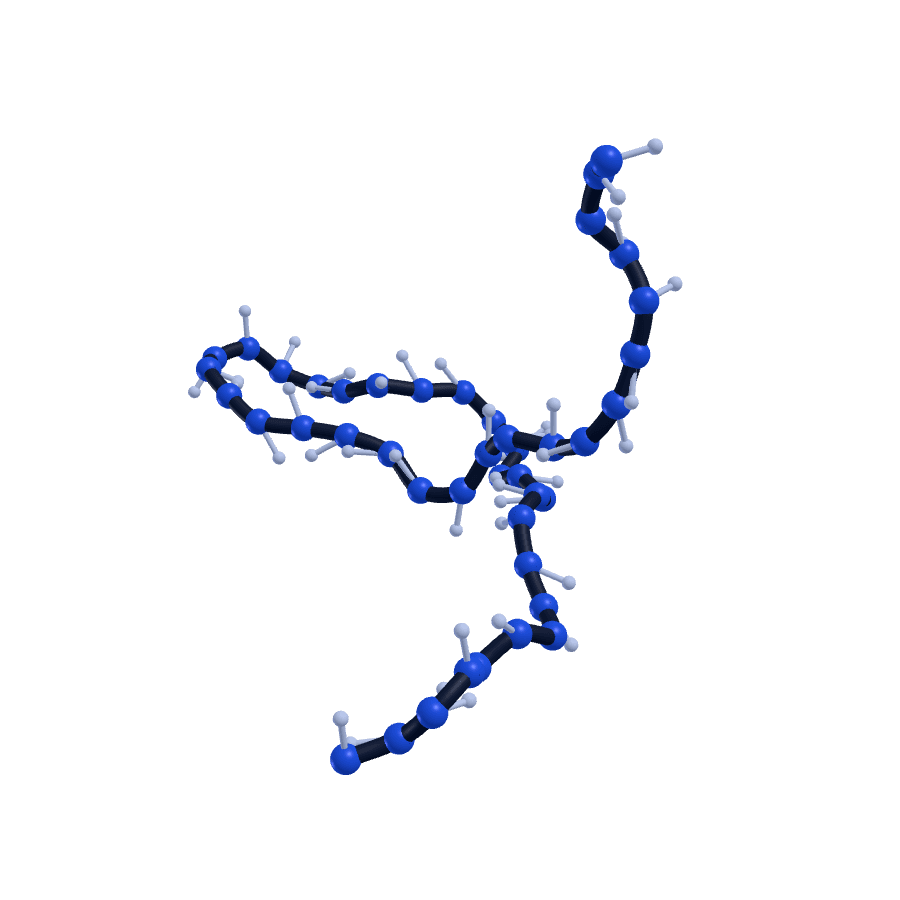
TB-500
DFragment of thymosin beta-4. Human trials exist only as an eye drop; the injectable use has none.
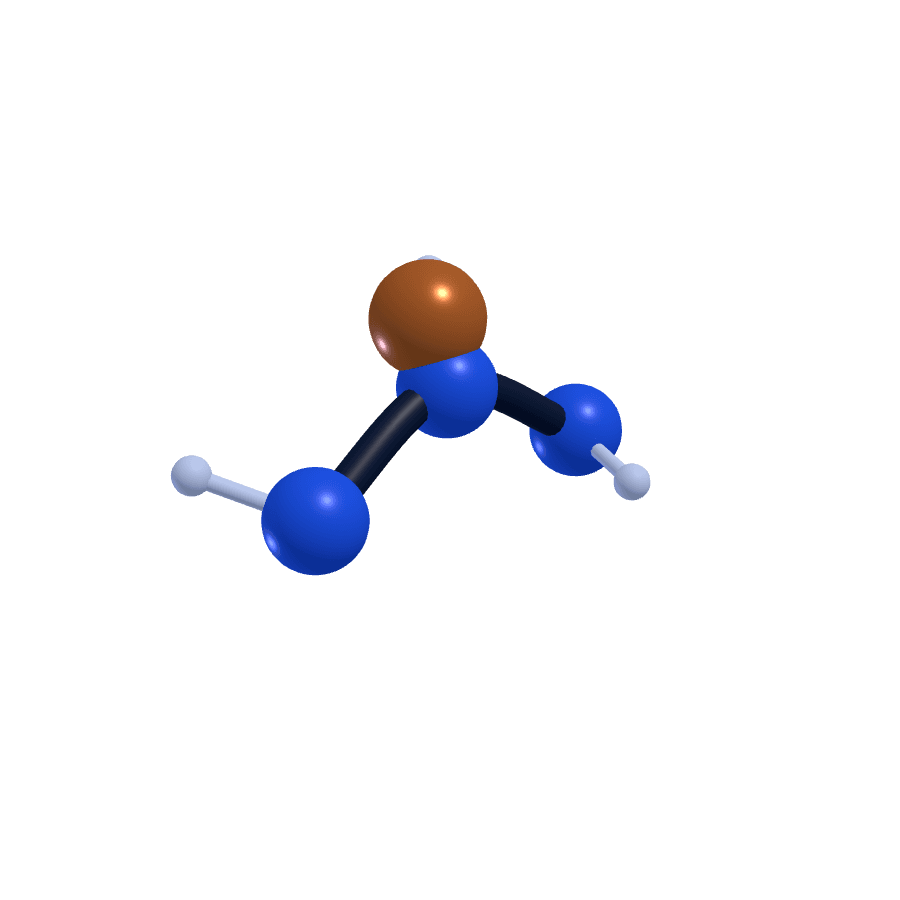
GHK-Cu
CCopper-binding tripeptide. Modest human evidence for topical skin use; injected use has none.
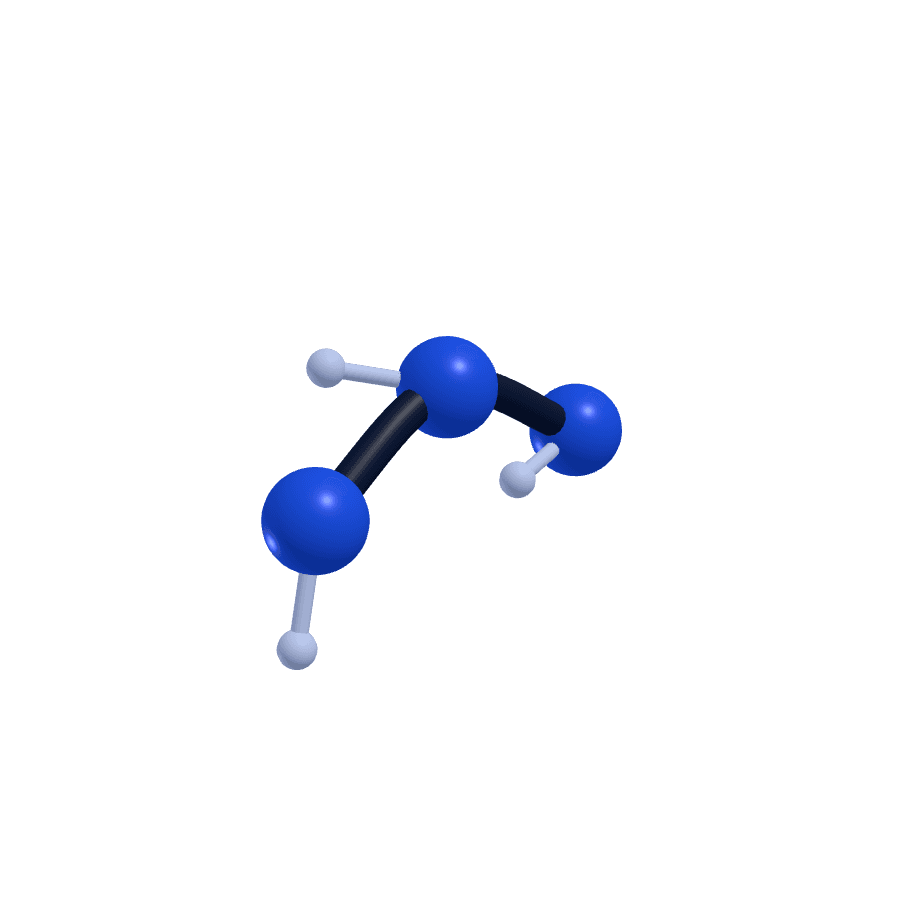
AHK-Cu
DGHK-Cu's less-studied cousin, sold for hair growth. One laboratory study on plucked follicles; no human trial.
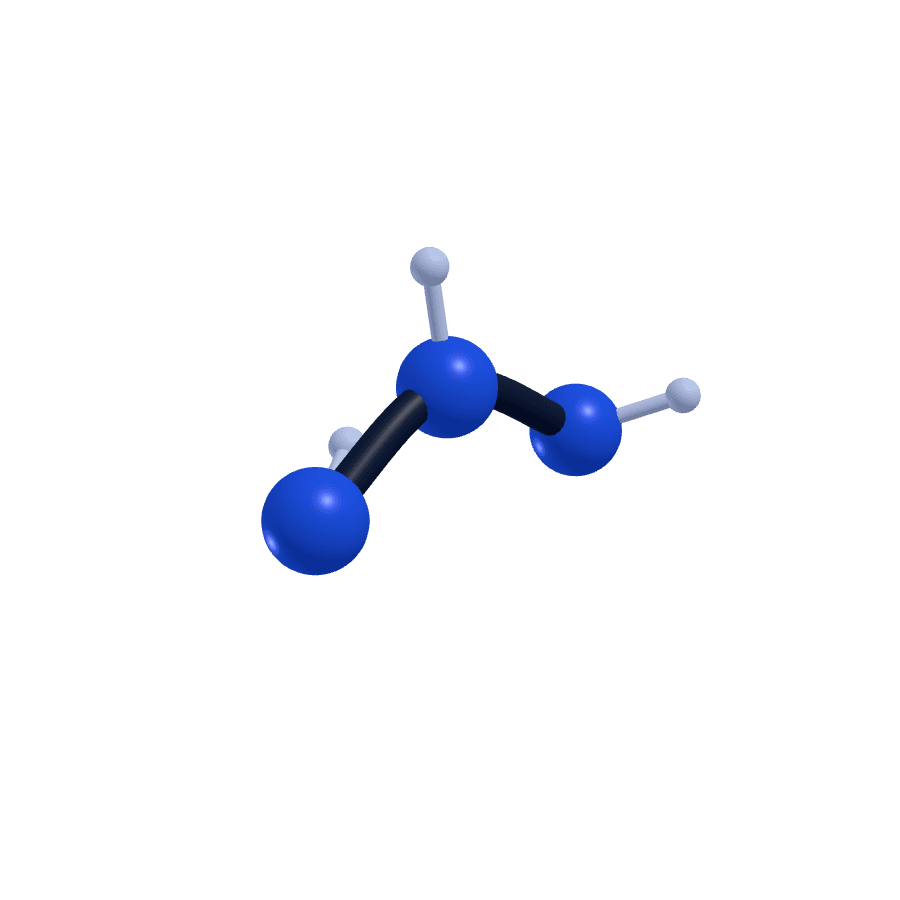
KPV
DAn anti-inflammatory tripeptide with real mouse data and no human trial at all.
Comparisons
- BPC-157 vs TB-500across studies
- GHK-Cu vs AHK-Cuacross studies
Questions
Which healing peptide has human evidence?
BPC-157 or TB-500?
GHK-Cu or AHK-Cu?
Are healing peptides legal?
Related families
- Immune, antimicrobial and repair-signal peptides5 compounds
- Mitochondrial, antioxidant and longevity compounds11 compounds
Written and maintained by LYO Research — how pages are written and checked. Reviewed 23 September 2026. Grades count human evidence only. Not medical advice. Correct this page →