What this family is
This family exists to show what a peptide medicine looks like when the evidence is settled. Teriparatide is the first 34 amino acids of parathyroid hormone, approved since 2002 for severe osteoporosis, and abaloparatide is its 2017 successor with less high calcium; octreotide is an eight-residue analogue of somatostatin, approved since 1988 for acromegaly and hormone-secreting neuroendocrine tumours. Salmon calcitonin was an osteoporosis nasal spray for thirty years until a 2012 review found a marginal fracture benefit and a small cancer excess. Desmopressin, a nine-residue vasopressin analogue, has treated diabetes insipidus and bedwetting since the 1970s. Insulin, the 51-residue original from 1922, is the reference for everything else here — and the one member that is misused outside medicine. All are prescription-only and all have decades of use.
The evidence is of a different order from most of this site. Teriparatide's approval trial randomised 1,637 women and cut new spinal fractures from 14% to 5%; a later head-to-head beat the standard bisphosphonate. Octreotide's PROMID trial more than doubled the time before midgut neuroendocrine tumours progressed, from 6 to 14.3 months. Abaloparatide's ACTIVE trial did the same for 2,463 women. These are hard endpoints in large trials, and they are why the grades are A. Calcitonin and desmopressin show the other side of settled evidence: certainty about a small effect (33% fewer spinal fractures at one dose and none at the others; under one fewer night-time void) and about the harm (a cancer signal; low sodium in 7.6% of older adults).
Octreotide has one more role on this site: it is the approved medicine for having too much growth hormone — the mirror image of the secretagogues and releasing hormones sold to make more of it. Where those pages describe unproven ways to push growth hormone up, this one describes the proven way to push it down when the body makes too much.
Grade counts across the family: 6 × A · 0 × B · 0 × C · 0 × D. The best grade here, A, means established in humans. How LYO grades →
The compounds, graded
Every member with its best-supported outcome grade, human-trial count and regulatory status. Each opens the full evidence page.
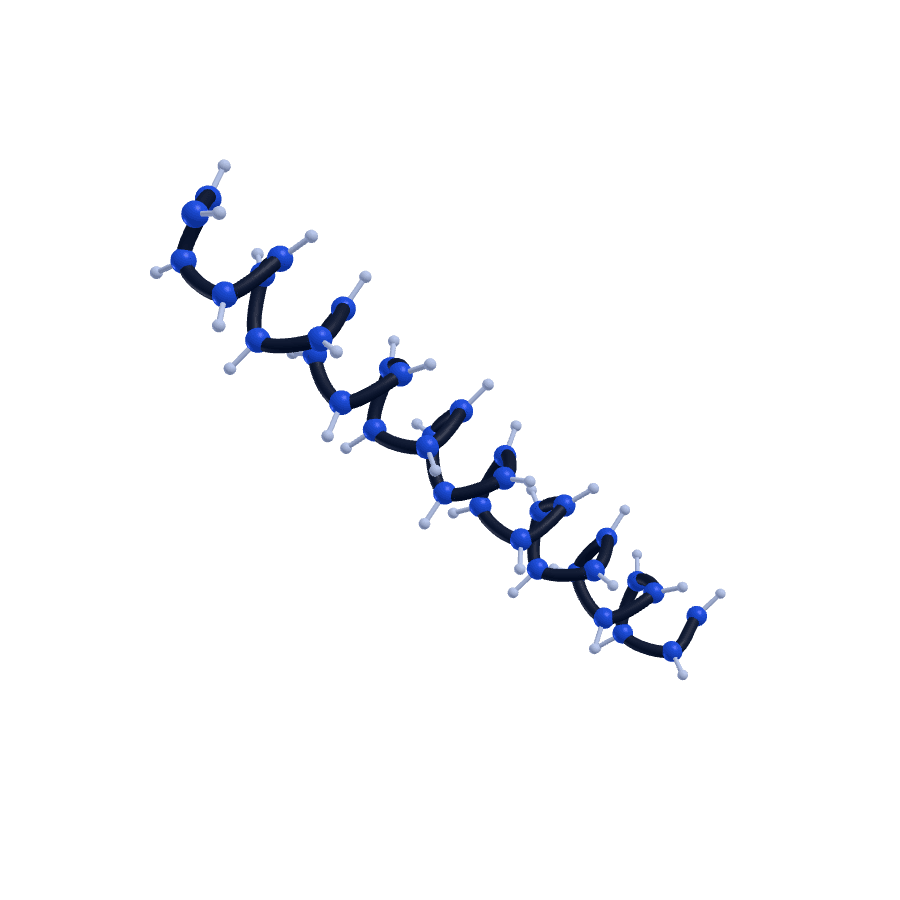
Teriparatide
AThe first medicine that builds bone rather than slowing its loss. Approved since 2002 on a trial that cut spinal fractures by two-thirds.
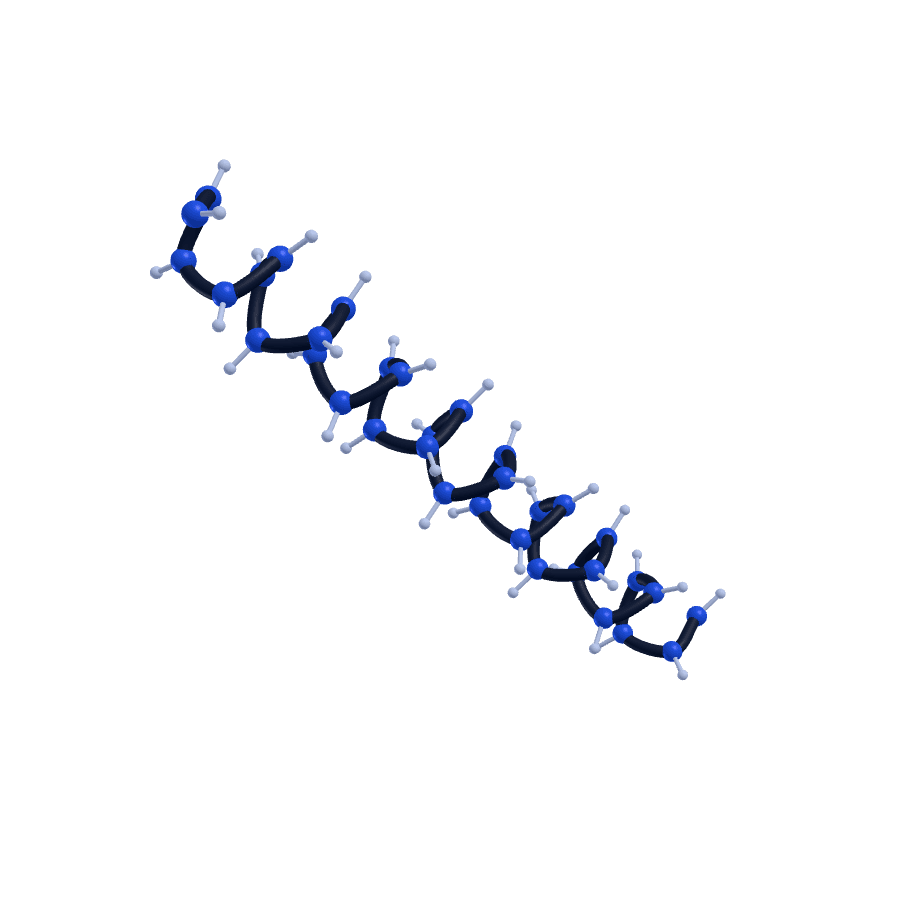
Abaloparatide
AThe second bone-building peptide. An 18-month trial of 2,463 women cut new spinal fractures by more than 80%, with less high calcium than teriparatide.
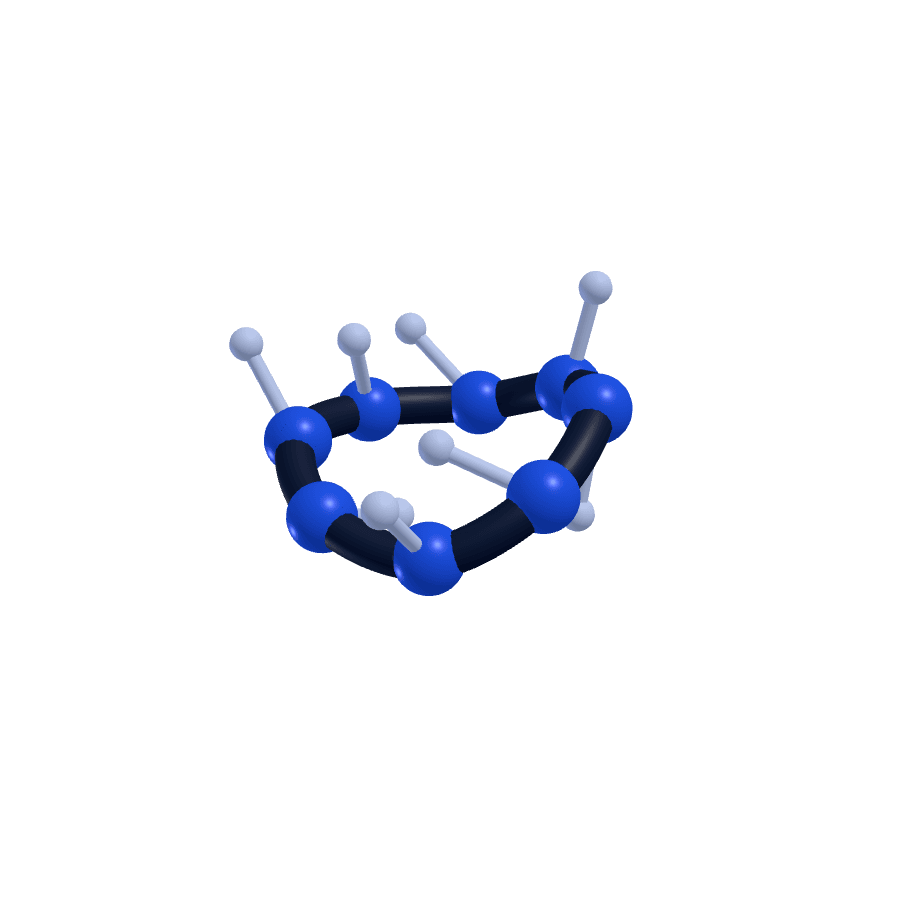
Octreotide
AA synthetic version of the hormone that switches growth hormone off. Approved since 1988 for acromegaly and hormone-secreting tumours — and it slows those tumours' growth.
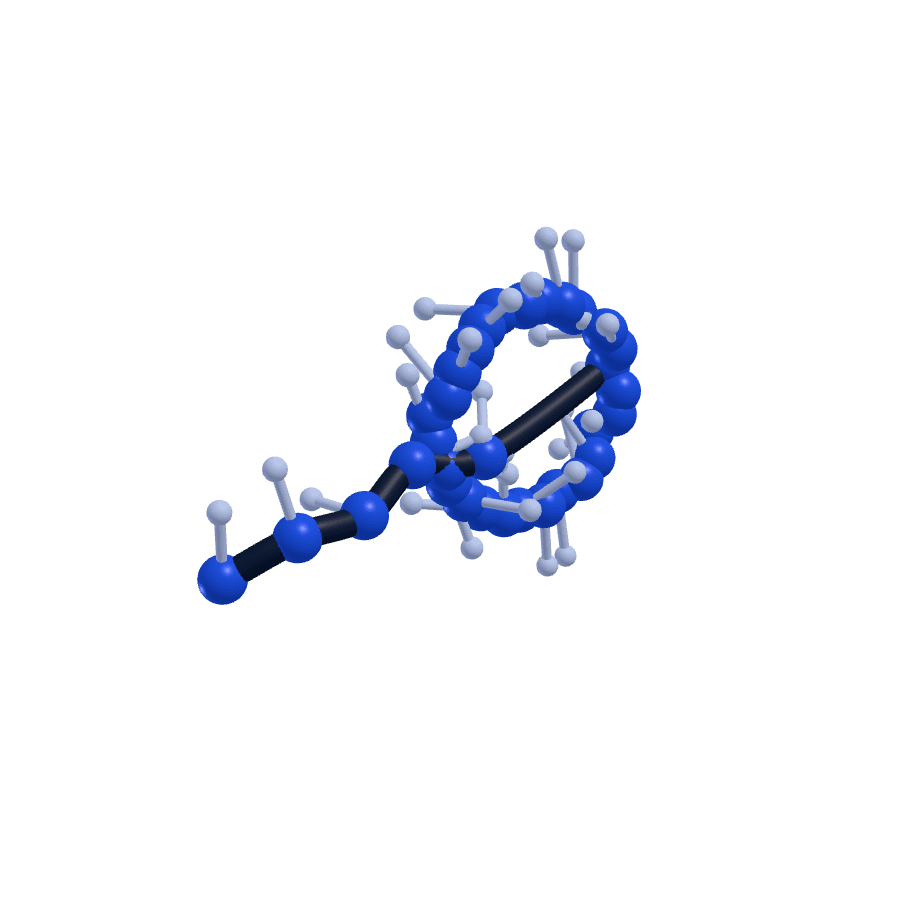
Calcitonin (salmon)
AA 32-amino-acid hormone that was an osteoporosis medicine for thirty years — until a cancer signal and a marginal fracture trial ended most of that use.
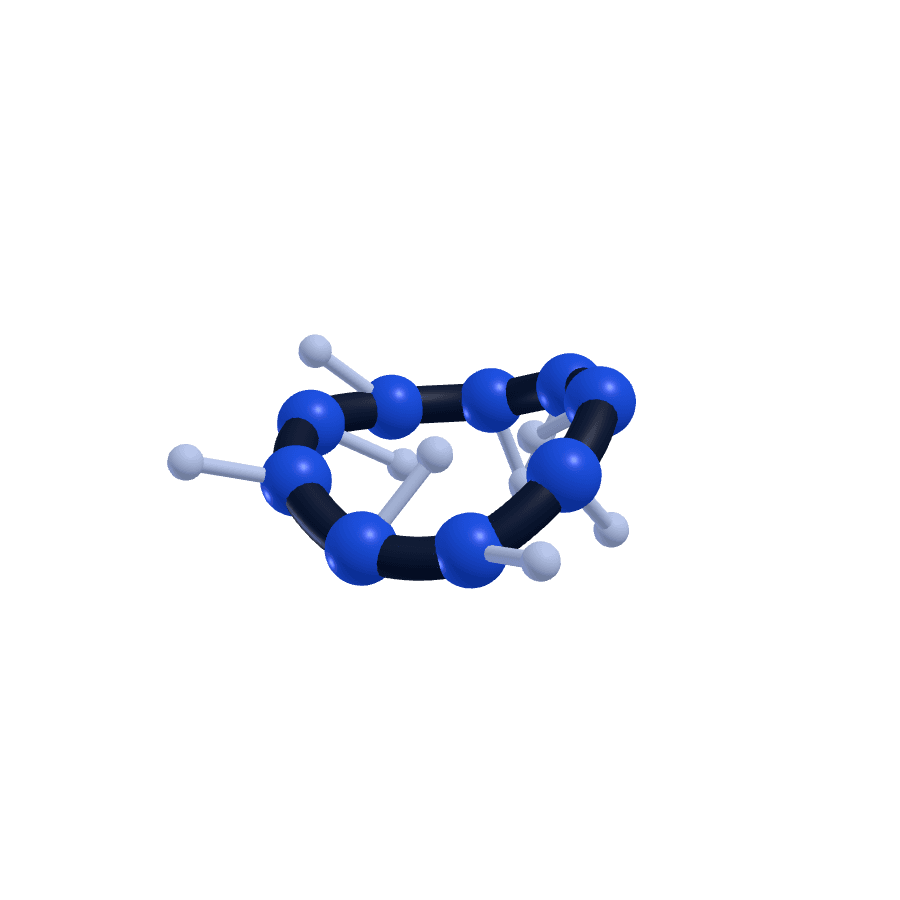
Desmopressin
AA nine-residue vasopressin analogue in use since the 1970s. Cuts night-time urination modestly; causes dangerous low sodium in about one older adult in thirteen. Banned in sport as a masking agent.
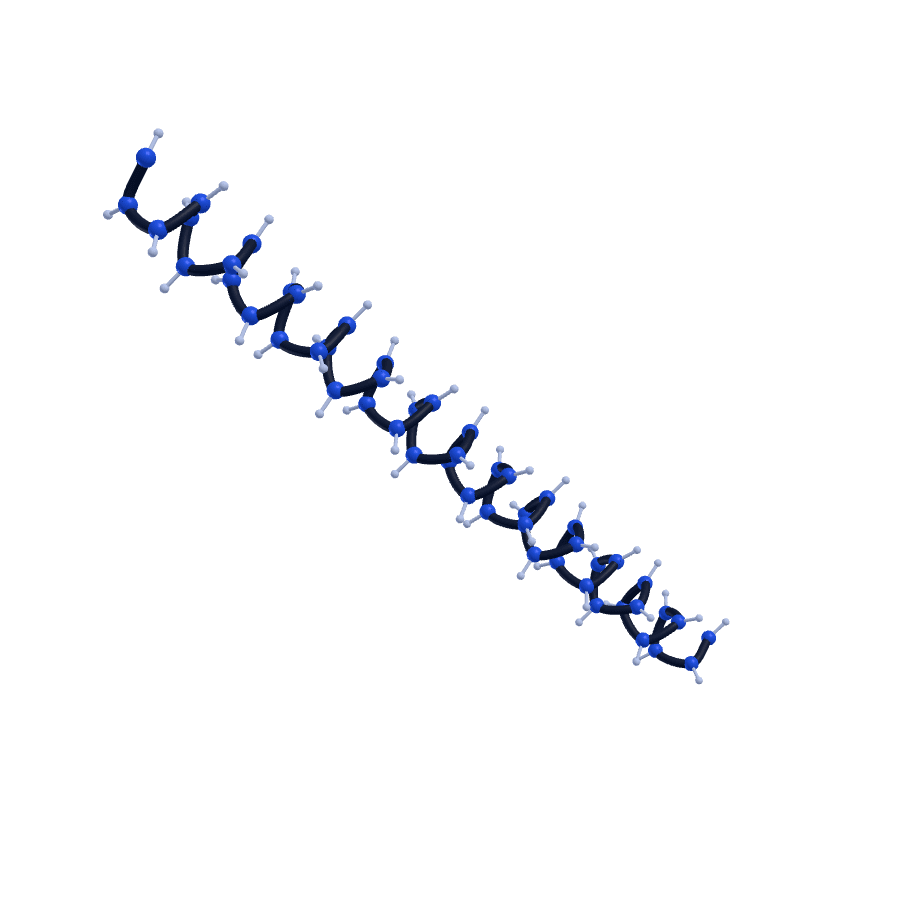
Insulin
AThe original peptide medicine, in use since 1922. Included as the reference point: what a century of evidence looks like, and what the sharpest peptide side effect looks like.
Comparisons
- Teriparatide vs abaloparatidehead-to-head trial
Questions
Why are these on a site about grey-market peptides?
Why was calcitonin withdrawn?
Why is desmopressin banned in sport?
Is teriparatide anabolic?
Does octreotide relate to growth hormone peptides?
Related families
- GH secretagogues (GHRPs)5 compounds
- GLP-1 and incretin agonists18 compounds
Written and maintained by LYO Research — how pages are written and checked. Reviewed 23 September 2026. Grades count human evidence only. Not medical advice. Correct this page →