What the human research shows
No controlled human evidence of any kind. Grade D is the description, not a judgement about the biology.
Evidence profile0–5
- Metabolic & weight—0.0
- Cardiovascular—0.0
- Muscle & growth—0.0
- Healing & repair—0.0
- Neuro & sleep—0.0
- Immune & inflammation—0.0
- Sexual & hormonal—0.0
- Skin & appearance—0.0
- Ageing & longevityD0.0
| Outcome | Grade | Effect size | Human studies | Where the evidence comes from |
|---|---|---|---|---|
| Cognition or brain ageing (human) | DNo human evidence | Not measurable | 0 controlled; Russian reports without abstracts | Two Russian-language clinical reports (2012, 2015) are indexed by title only and describe uncontrolled use. LYO could not read a method or a result.1 |
| Cell viability under oxidative stress (in vitro) | DNo human evidence | Moderate | Cell culture only | Khavinson's 2011 study reports lower free-radical levels and less necrotic death in cultured cells — the origin of the neuroprotection claim.2 |
| Hypoxia tolerance (rats) | DNo human evidence | Small | Animal only | Aged rats given pinealon before hypoxia showed behavioural and caspase-3 changes in several small studies from the same institute.1 |
Literature searched to 23 September 2026. Human studies only; animal and cell work informs the mechanism section and nothing else.
What it is
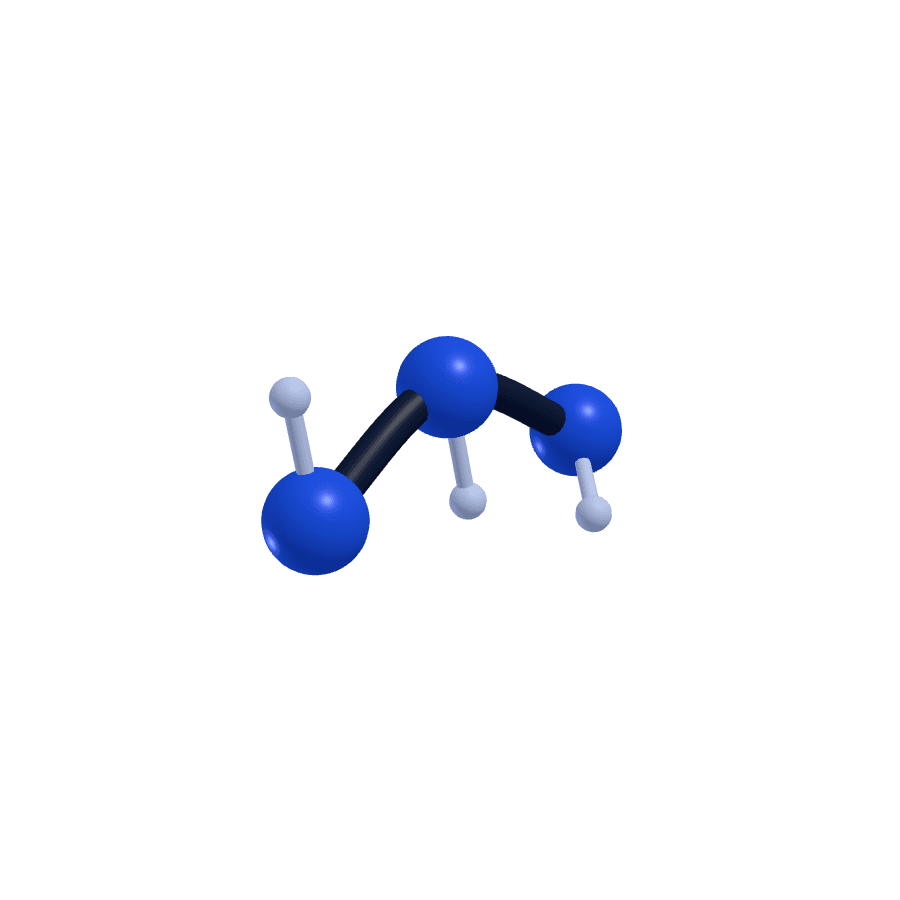
Pinealon is one of the short synthetic peptides Vladimir Khavinson's institute derived from organ extracts — three residues, glutamate-aspartate-arginine, claimed to enter cells and bind DNA to regulate gene expression. It is marketed as a supplement-like 'peptide bioregulator' for the brain, usually alongside epitalon.
How it is thought to work
The proposed mechanism is direct binding of the tripeptide to DNA and modulation of transcription, based on fluorescence studies in HeLa cells. Whether an injected or swallowed tripeptide reaches the brain intact is not established.
What is still unknown
- Everything clinical: no controlled study of any outcome in people.
The molecule and how long it lasts
- Formula
- C15H26N6O8
- Molecular weight
- 418.40 g/mol
- CAS number
- 175175-23-2
- PubChem
- CID 10273502
Recorded as Glu-Asp-Arg
PubChem record, read 23 September 2026.
- Route
- Oral or injected as sold
- Half-life
- No human pharmacokinetic data
No pharmacokinetic study in people.
Regulatory status
No marketing authorisation.
Not FDA-approved.
Unlicensed.
Not registered.
No Drug Identification Number.
Unapproved, so S0 (non-approved substances).
Questions people actually ask
Does pinealon work?
Is pinealon the same as epitalon?
One page per claimed effect
- DDoes Pinealon help with cognition or brain ageing?0 controlled; Russian reports without abstracts
- DDoes Pinealon help with cell viability under oxidative stress?Cell culture only
- DDoes Pinealon help with hypoxia tolerance?Animal only
References
- 1
- 2Khavinson V, et al. Pinealon increases cell viability by suppression of free radical levels and activating proliferative processes.Rejuvenation Res, 2011Cell culture.
Change log
- 2026-09-23Initial publication. Grade D: no controlled human study.