What this family is
Semax and Selank come from the same Moscow institute: Semax is a fragment of ACTH, Selank an analogue of the immune peptide tuftsin, both stabilised with the same Pro-Gly-Pro tail and given as nasal sprays. Both are registered medicines in Russia — for stroke and cognition, and for anxiety respectively. Noopept is a dipeptide-derived ester from the same Russian pharmacology tradition, registered there for cognitive impairment after injury or stroke. Cerebrolysin is different in kind: a mixture of peptides extracted from pig brain, made in Austria since the 1950s and infused for stroke and dementia across Russia, China and Eastern Europe. Dihexa is a small molecule derived from angiotensin IV with a striking effect on synapse formation in rodents. DSIP is a nonapeptide isolated from rabbit brain in the 1970s and named for the sleep pattern it appeared to induce.
The Russian registrations rest on a literature that is almost entirely Russian-language, largely uncontrolled or poorly reported by international standards, and unreplicated by independent groups — which is why Semax, Selank and Noopept all sit at grade D despite being approved somewhere. Cerebrolysin is the family's exception: it has been trialled extensively, and the Cochrane reviews of those trials found no effect on death after stroke, more serious adverse events, and a dementia benefit too small and too uncertain to count on. Dihexa has no human data of any kind. DSIP is the exception in having been properly tested: several small insomnia studies through the 1980s and 90s, the best-controlled of which found effects that were weak and possibly artefactual.
None is approved in the US or UK, or EU-wide; Cerebrolysin holds national authorisations in Austria and some other countries. Dihexa and DSIP are prohibited in sport under the non-approved-substances rule.
Grade counts across the family: 0 × A · 0 × B · 3 × C · 4 × D. The best grade here, C, means weak human evidence. How LYO grades →
The compounds, graded
Every member with its best-supported outcome grade, human-trial count and regulatory status. Each opens the full evidence page.
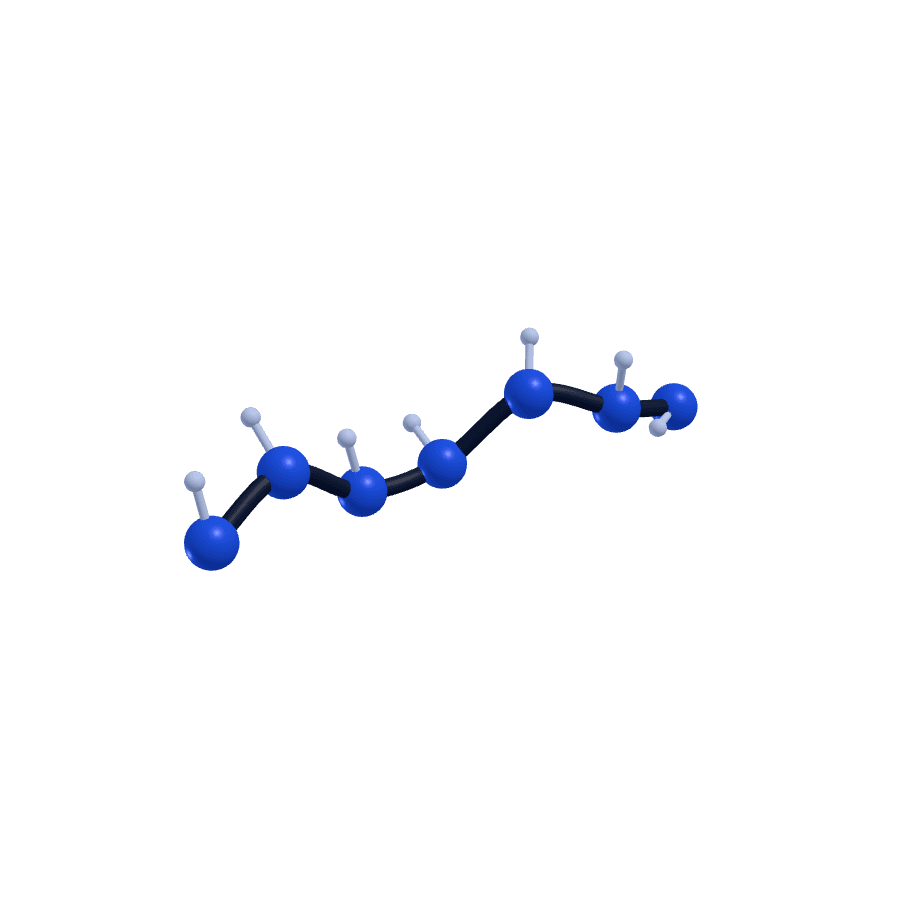
Semax
DRussian-developed heptapeptide, registered in Russia, unstudied elsewhere.
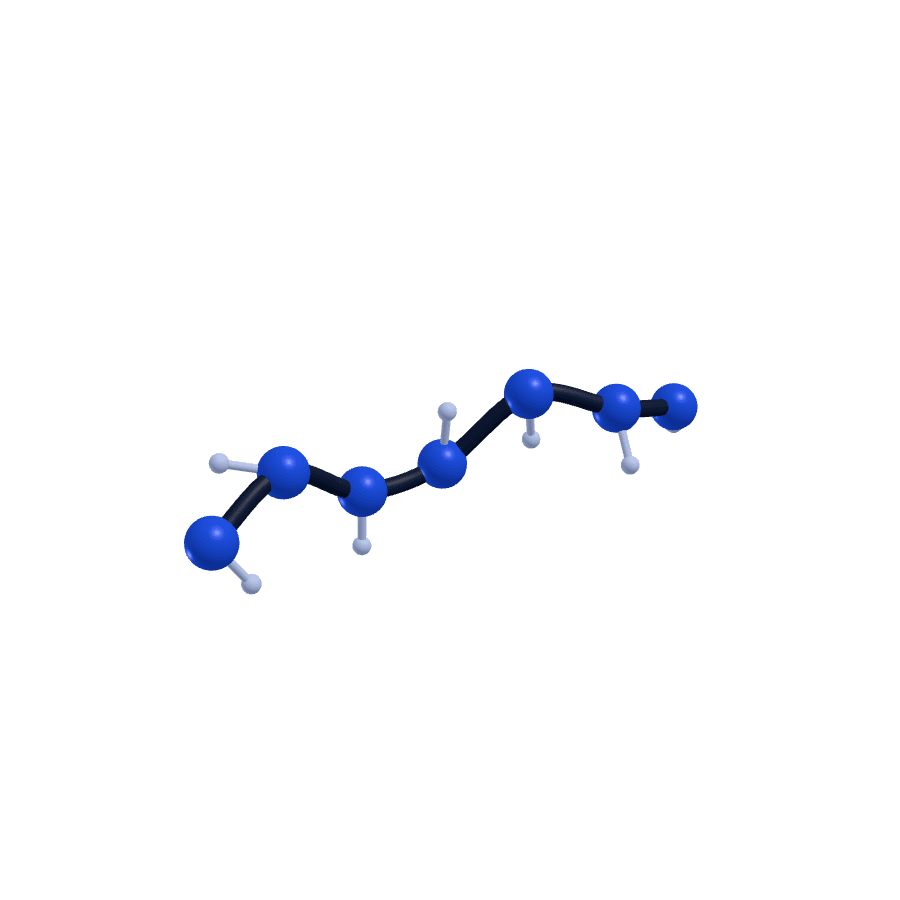
Selank
DRussian anxiolytic peptide, registered in Russia. Same evidence problem as Semax.
Noopept (omberacetam)
DA Russian dipeptide-derived nootropic, registered there since 2007, with one published trial — whose abstract is not even indexed.
Cerebrolysin
CA pig-brain peptide mixture given by infusion for stroke and dementia in some fifty countries. Cochrane: no effect on death after stroke, more serious adverse events.
Cortexin
CA Russian brain-extract injection for stroke and cognitive decline, like cerebrolysin. One double-blind trial of 272 patients exists — with no numbers in its abstract.
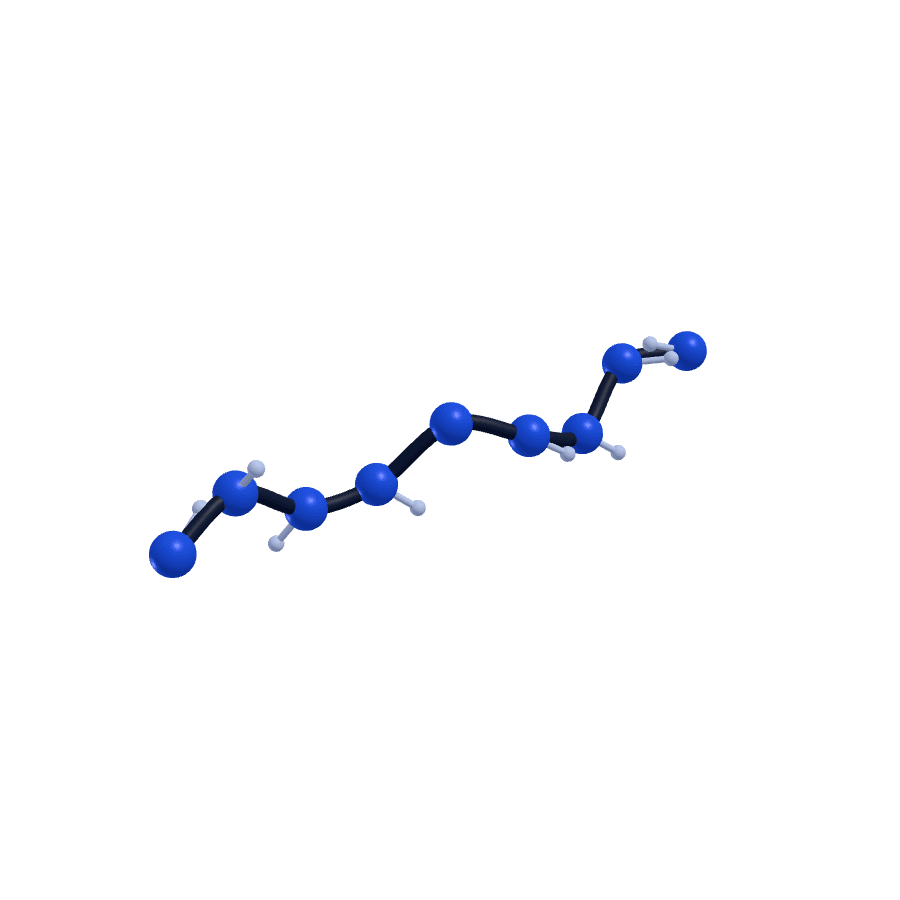
DSIP (delta sleep-inducing peptide)
CA sleep peptide that was actually tested in insomnia in the 1980s — and mostly did not work.
Dihexa
DA potent synaptogenic molecule in rodents, and nothing at all in humans.
Comparisons
- Semax vs Selankacross studies
Questions
Are Semax and Selank approved medicines?
Is Dihexa safe?
Does DSIP help with sleep?
Does Cerebrolysin work?
Related families
- Reproductive and neuroendocrine hormones5 compounds
- Mitochondrial, antioxidant and longevity compounds11 compounds
Written and maintained by LYO Research — how pages are written and checked. Reviewed 23 September 2026. Grades count human evidence only. Not medical advice. Correct this page →