What this family is
Growth hormone is a 191-amino-acid protein and an approved medicine for genuine deficiency, where it works well. Most of its effects run through IGF-1, made in the liver in response to it. The other members are what the grey market has made of that axis and its neighbours: IGF-1 LR3, a modified IGF-1 designed to evade its binding proteins and built as a cell-culture reagent; AOD-9604, a fragment of growth hormone developed as an obesity drug; PEG-MGF, a pegylated piece of the IGF-1 variant that muscle makes after loading; and follistatin 344, a protein that blocks myostatin, the signal that limits muscle growth, sold on photographs of double-muscled animals.
The evidence diverges sharply. In healthy older adults, a meta-analysis of randomised growth-hormone trials found about 2 kg of fat shifted to lean tissue with no change in total weight, alongside significantly more swelling, joint pain, carpal tunnel syndrome and gynaecomastia — the authors concluded it cannot be recommended for anti-ageing. AOD-9604 was tested in more than 900 participants and produced no significant difference in fat mass or weight; development was terminated for lack of efficacy. IGF-1 LR3 has never been given to a person in a controlled trial, nor has PEG-MGF — every human study of mechano growth factor measures what muscle makes on its own — and neither has injected follistatin — the six-patient gene-therapy study people cite for it delivered the gene into muscle, which is a different intervention.
All five are prohibited in sport; mechano growth factors are named on the list. Anti-ageing use of growth hormone is unlawful in the United States; deficiency is the only lawful indication.
Grade counts across the family: 1 × A · 0 × B · 0 × C · 4 × D. The best grade here, A, means established in humans. How LYO grades →
The compounds, graded
Every member with its best-supported outcome grade, human-trial count and regulatory status. Each opens the full evidence page.
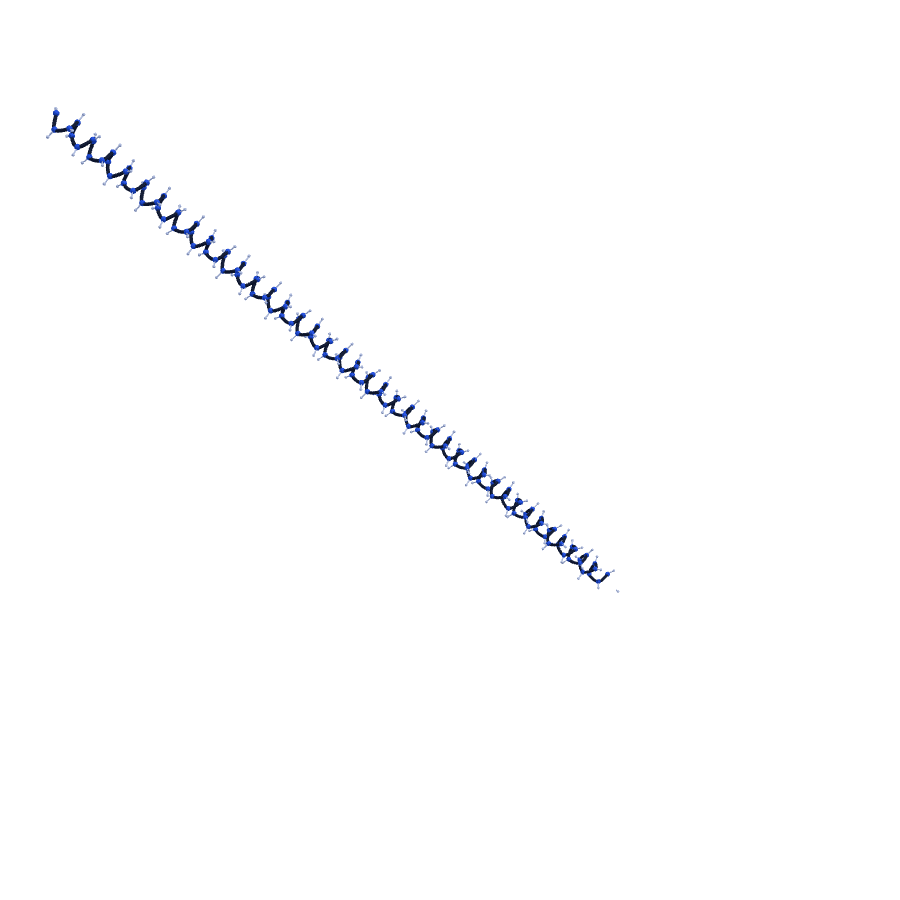
Human growth hormone (somatropin)
AAn approved medicine for growth-hormone deficiency, and the original anti-ageing drug the evidence does not support.
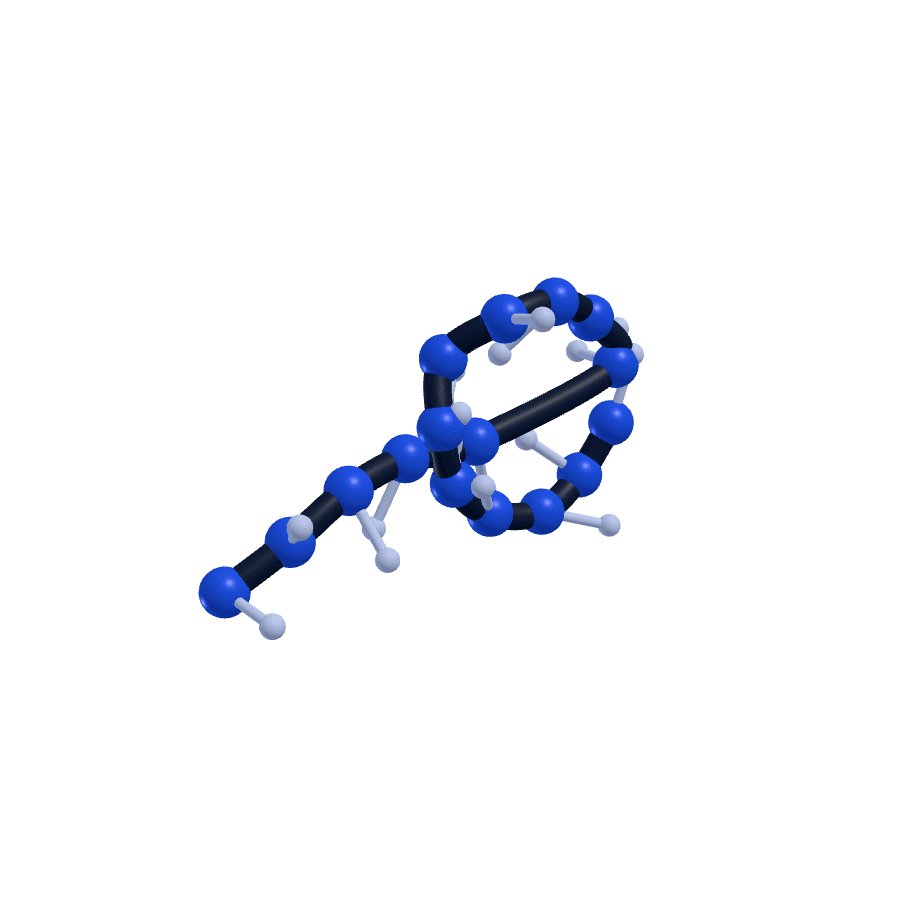
AOD-9604
DA fat-loss peptide that was properly tested in humans — and failed.
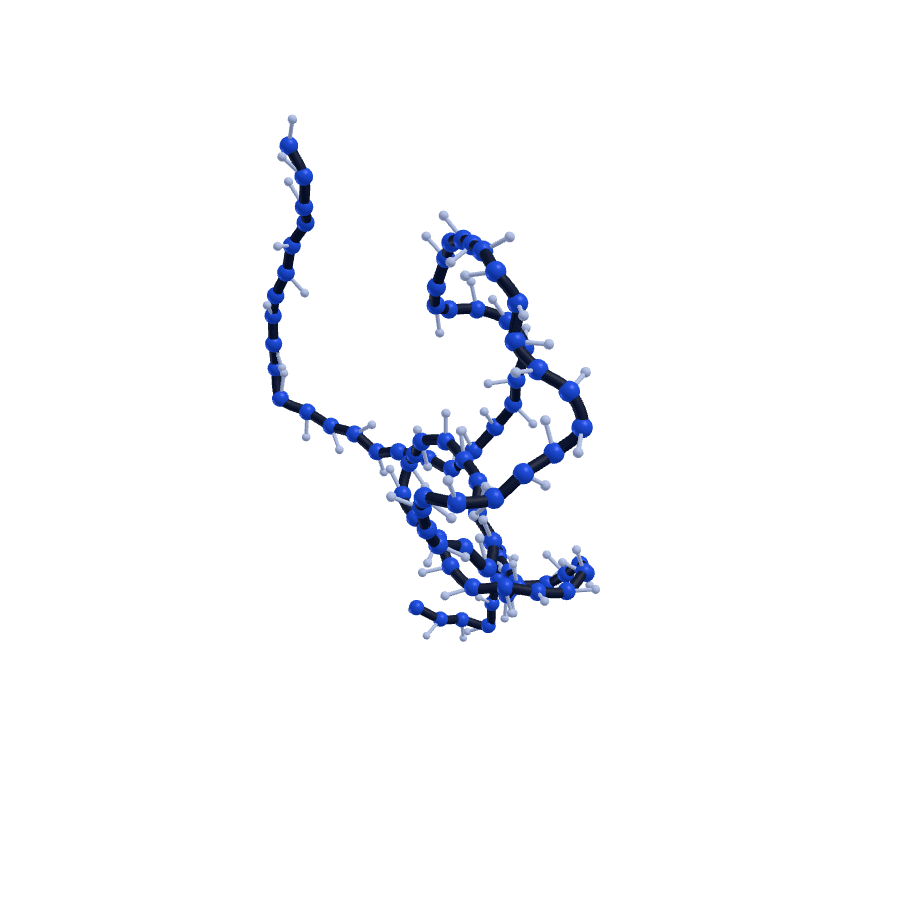
IGF-1 LR3
DA laboratory reagent sold as a muscle drug. No human trial has ever tested it.
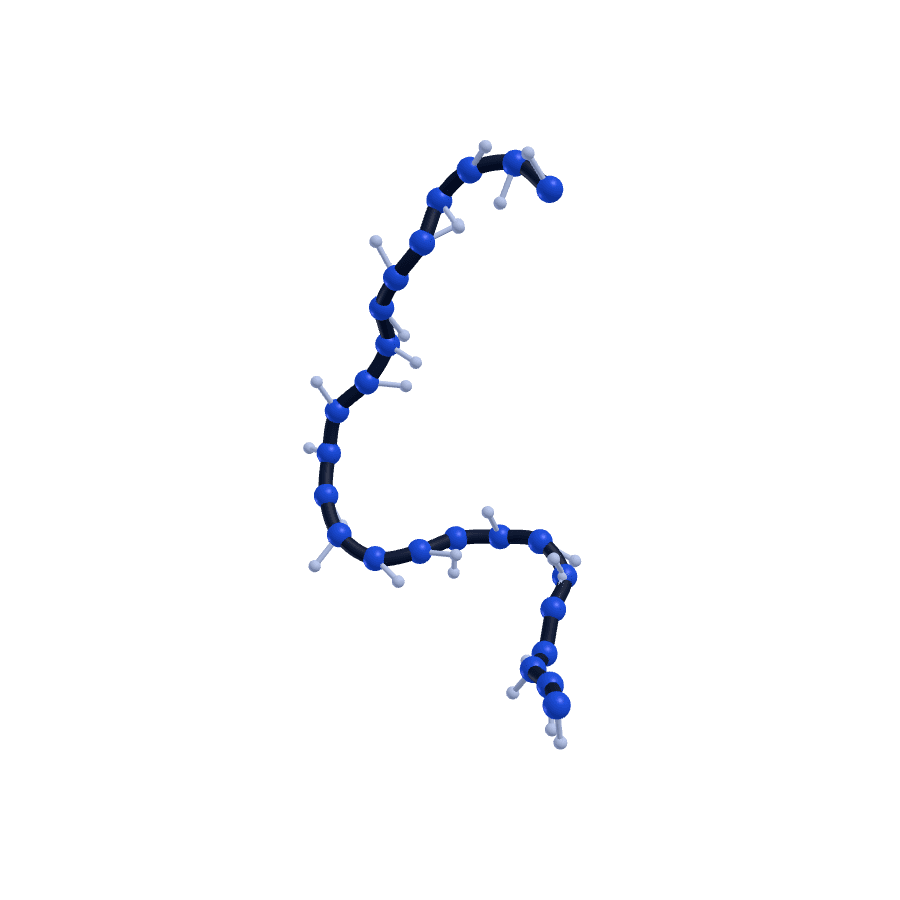
PEG-MGF
DA pegylated fragment of a muscle-made IGF-1 variant, sold for repair and growth. Never injected into a human in any study.
Follistatin 344
DA myostatin-blocking protein sold as a muscle-building injection. The only human data is a six-patient gene-therapy trial — of a different thing.
Comparisons
- HGH vs sermorelinacross studies
Questions
Does growth hormone reverse ageing?
What is IGF-1 LR3?
Did AOD-9604 work?
Related families
- GHRH analogues3 compounds
- GH secretagogues (GHRPs)5 compounds
Written and maintained by LYO Research — how pages are written and checked. Reviewed 23 September 2026. Grades count human evidence only. Not medical advice. Correct this page →