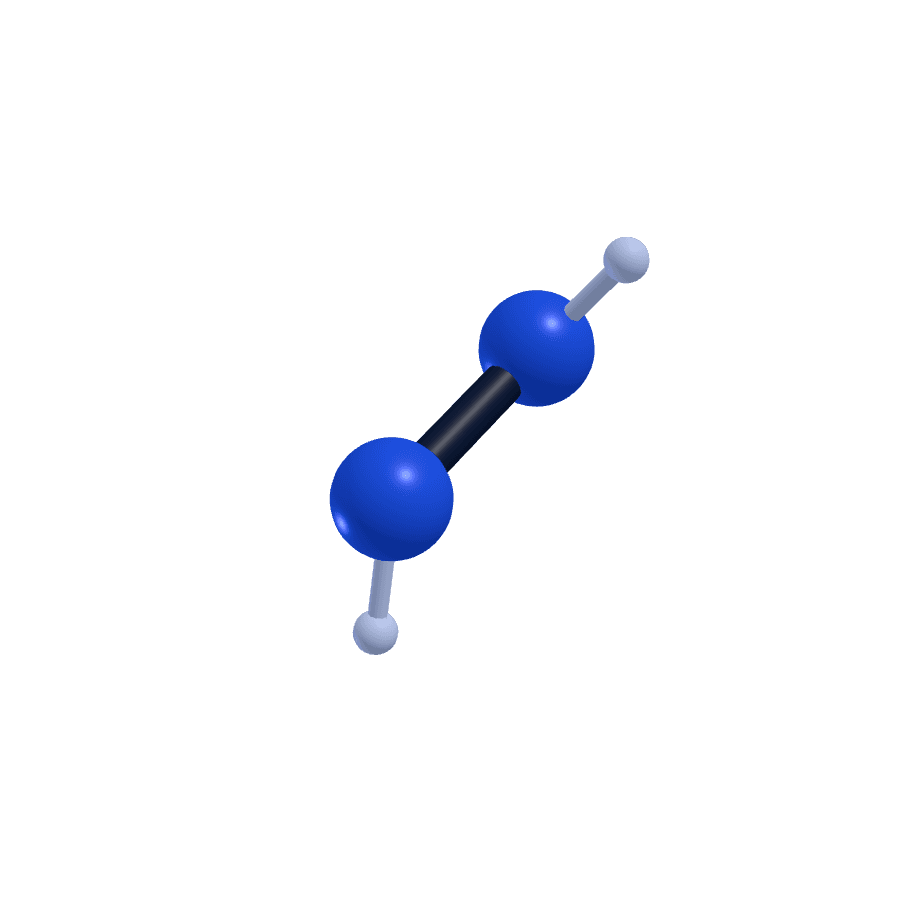
What the human research shows
No human data. Grade D describes the record, not the biology.
Evidence profile0–5
- Metabolic & weight—0.0
- Cardiovascular—0.0
- Muscle & growth—0.0
- Healing & repair—0.0
- Neuro & sleep—0.0
- Immune & inflammation—0.0
- Sexual & hormonal—0.0
- Skin & appearance—0.0
- Ageing & longevityD0.3
| Outcome | Grade | Effect size | Human studies | Where the evidence comes from |
|---|---|---|---|---|
| Any outcome in humans | DNo human evidence | Not measurable | 0 | A PubMed search returns 57 results, none a human trial. The 'chromatin reactivation' work used lymphocytes from elderly donors in culture.1 |
| Lifespan and tumour incidence (mice) | DNo human evidence | Moderate | Animal only | Female CBA mice given vilon from six months lived longer and developed fewer spontaneous tumours in the institute's studies; the same group reports opposite-direction effects in other models.2 |
Literature searched to 23 September 2026. Human studies only; animal and cell work informs the mechanism section and nothing else.
What it is
Vilon is one of a family of di-, tri- and tetrapeptides — with epitalon, pinealon and thymogen — that the Khavinson group proposes act as tissue-specific gene regulators. It is the thymic member, sold for immunity and longevity, usually in the same shops and stacks as epitalon.
How it is thought to work
The proposed mechanism is direct binding to DNA and modulation of gene expression, based on in vitro fluorescence and microarray studies. Whether a dipeptide survives digestion or injection to do that in a person is untested.
What is still unknown
- Everything in humans.
The molecule and how long it lasts
- Formula
- C11H21N3O5
- Molecular weight
- 275.30 g/mol
- CAS number
- 45234-02-4
- PubChem
- CID 7010502
Recorded as lysylglutamic acid
PubChem record, read 23 September 2026.
- Route
- Oral or injected as sold
- Half-life
- No human pharmacokinetic data
No pharmacokinetic study in people.
Regulatory status
No marketing authorisation.
Not FDA-approved.
Unlicensed.
Not registered.
No Drug Identification Number.
Unapproved, so S0 (non-approved substances).
Questions people actually ask
Does vilon boost immunity?
Is vilon the same as thymalin?
One page per claimed effect
- DDoes Vilon help with any outcome in humans?0
- DDoes Vilon help with lifespan and tumour incidence?Animal only
References
- 1PubMed search: vilon Lys-Glu dipeptide — 57 results, no human trial.PubMed, searched 2026-09-23
- 2Khavinson VK, et al. Effect of vilon on biological age and lifespan in mice.Bull Exp Biol Med, 2000Mice.
Change log
- 2026-09-23Initial publication. Grade D: no human study.