What the human research shows
A real and essential molecule with a weak clinical file behind the thing it is actually sold for. The gap between 'important in the body' and 'useful when injected' is the whole story.
Evidence profile0–5
- Metabolic & weight—0.0
- Cardiovascular—0.0
- Muscle & growth—0.0
- Healing & repair—0.0
- Neuro & sleep—0.0
- Immune & inflammation—0.0
- Sexual & hormonal—0.0
- Skin & appearanceC0.7
- Ageing & longevity—0.0
| Outcome | Grade | Effect size | Human studies | Where the evidence comes from |
|---|---|---|---|---|
| Skin lightening | CWeak | Small | 4 studies in systematic review (3 RCTs) | Oral 500 mg/day and topical 2% oxidised glutathione reduced the melanin index in sun-exposed skin; no effect was seen in sun-protected skin. Reviewers judged the overall evidence inconclusive.1 |
| Oral bioavailabilityadverse | CWeak | Small | Reviews | Whether swallowed glutathione survives digestion in a useful form is unresolved, and is the standing objection to the oral products.1 |
| Intravenous use for skin | DNo human evidence | Not measurable | No adequate controlled trial | The intravenous route is the one most heavily marketed and the least studied. Regulators in several countries have warned against it, and injecting an unapproved product carries risks the skin trials never measured.2 |
| Endotoxin reactions from compounded injectablesadverse | BProbable | Moderate | FDA case series (≥30 patients); recalls | On 27 August 2026 the FDA reported at least 30 patients with fever, chills, pain, dizziness and shock-like symptoms after intravenous glutathione compounded from dietary-supplement-grade material, some hospitalised, and judged the picture consistent with excess endotoxin. A nationwide recall of affected lots followed in September, with nine further reports, and on 1 October 2026 another compounding pharmacy recalled ten lots after two patients needed emergency care; both had been given intravenously a product made for injection under the skin. Not a trial, but a regulator-verified harm signal for the injectable route.456 |
| Safety (oral, short-term)adverse | CWeak | Small | Small trials | Short-term oral use was tolerated in the trials, with non-serious adverse events reported. Long-term and injectable safety are not established.1 |
Literature searched to 7 October 2026. Human studies only; animal and cell work informs the mechanism section and nothing else.
Registered trials
ClinicalTrials.gov lists 48+ interventional studies naming Glutathione as an intervention — 30 completed, 8 recruiting, and 5 with results posted to the registry.
A registration is not a result. Anyone can register a study, and many never report — so this list shows what has been attempted, not what has been shown. The graded evidence above is the answer to whether something works.
40 further studies are registered. Participant counts marked * are the sponsor's estimate, not a final enrolment. Source: ClinicalTrials.gov, read directly from the registry and refreshed weekly.
What it is
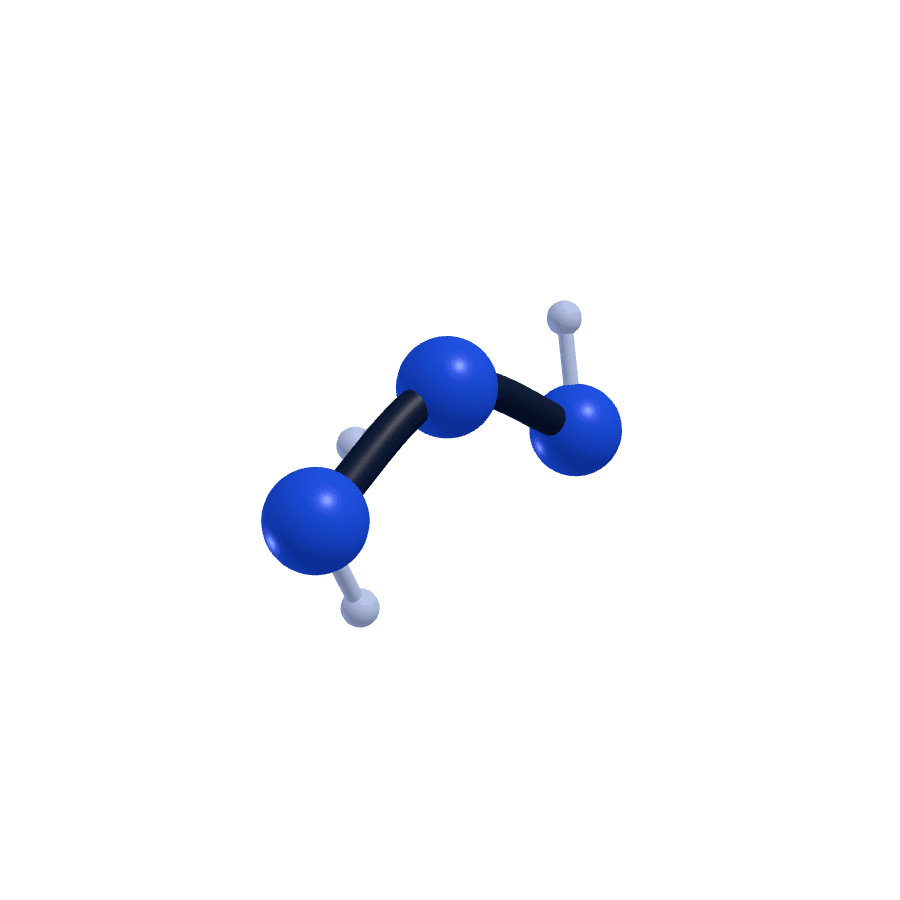
Glutathione is a tripeptide of glutamate, cysteine and glycine, present in every cell, where it neutralises reactive oxygen species and supports detoxification. Levels fall in illness and with age, which is the premise behind supplementing it.
It is included here because it is injected and sold in the same market as the peptides — technically it is a peptide, though a very small one, and its reputation rests on cosmetic rather than metabolic claims.
How it is thought to work
It inhibits tyrosinase and shifts melanin production toward the lighter pheomelanin, which is the proposed mechanism for skin lightening. Whether enough reaches the skin after oral dosing to matter is precisely what the trials could not establish.
What is still unknown
- Whether any skin effect persists after stopping.
- Whether intravenous glutathione does anything for skin at all; the risk side is now partly answered by the 2026 endotoxin cases.
- Whether supplementation raises tissue glutathione meaningfully in healthy people.
The molecule and how long it lasts
- Formula
- C10H17N3O6S
- Molecular weight
- 307.33 g/mol
- CAS number
- 70-18-8
- PubChem
- CID 124886
PubChem record, read 23 September 2026.
- Route
- Intravenous in the PK study; oral supplements have negligible bioavailability
- Half-life
- About 14 minutes (intravenous, healthy volunteers). A 3 g oral dose did not raise plasma glutathione
From a published human pharmacokinetic study: Aebi S, et al. High-dose intravenous glutathione in man: pharmacokinetics and effects on cyst(e)ine in plasma and urine. Eur J Clin Invest 1991
Regulatory status
Sold as a food supplement. No authorised injectable product for cosmetic use.
Oral products sold as dietary supplements. Injectable glutathione is not FDA-approved. In August 2026 the FDA reminded compounders not to make injectables from supplement-grade glutathione after at least 30 endotoxin-type reactions, and a nationwide recall of contaminated lots followed in September. Another recall of ten lots followed on 1 October 2026, after two patients needed emergency care.
Oral supplement; injectable cosmetic use is unlicensed.
Oral listed products; injectable cosmetic use is not registered.
Oral products may carry an NPN; injectable cosmetic use is not authorised.
Not on the 2026 Prohibited List. Intravenous infusions above the permitted volume are separately restricted regardless of what is infused.
Questions people actually ask
Does glutathione lighten skin?
Is IV glutathione safe?
Is glutathione a peptide?
One page per claimed effect
- CDoes Glutathione help with skin lightening?4 studies in systematic review (3 RCTs)
- CHow common is oral bioavailability with Glutathione?Reviews
- DDoes Glutathione help with intravenous use for skin?No adequate controlled trial
- BHow common is endotoxin reactions from compounded injectables with Glutathione?FDA case series (≥30 patients); recalls
- CHow common is safety with Glutathione?Small trials
References
- 1Dilokthornsakul W, et al. The clinical effect of glutathione on skin color and other related skin conditions: a systematic review.J Cosmet Dermatol, 2019;18:728–7374 studies; conclusion inconclusive.
- 2
- 3
- 4FDA. FDA reminds compounders not to use dietary supplement-grade glutathione in injectables.FDA statement, 27 Aug 2026At least 30 patients; symptoms consistent with excessive endotoxin; some hospitalised.
- 5FDA. Nationwide recall of compounded glutathione injectables and two blends due to elevated endotoxin levels.FDA recall notice, posted 13 Sep 2026Three glutathione 200 mg/mL lots plus blends made with the same material; nine reports of fever, chills, chest pain, nausea, headache or malaise.
- 6FDA. Voluntary nationwide recall of compounded glutathione injection due to potential elevated endotoxin levels (company announcement).FDA recall notice, 1 Oct 2026Ten lots of glutathione 200 mg/mL, distributed 26 June to 21 September 2026; two reports of emergency care after intravenous use of a product intended for subcutaneous injection.
Change log
- 2026-10-07A further US recall of compounded glutathione injection for potential endotoxin (1 Oct 2026, ten lots, two emergency-care reports) added to the endotoxin row and the US status. Grades unchanged.
- 2026-09-23FDA endotoxin cases (27 Aug 2026) and the September recall added as an adverse-effect row and to the US status. Grades otherwise unchanged.
- 2026-09-03Initial publication. Grade C on small, inconsistent trials; intravenous cosmetic use graded D.