What this family is
Thymosin α1 is a 28-amino-acid peptide from the thymus that pushes T-cells and dendritic cells toward a stronger antiviral response. It has been sold as Zadaxin for hepatitis B and as an immune adjunct in China, Italy and around thirty other countries since the 1990s. LL-37 is the only cathelicidin humans make: a 37-amino-acid antimicrobial produced by skin, gut and immune cells that kills bacteria and signals repair. VIP is a 28-amino-acid hormone that relaxes vessels and airways and dampens inflammation, licensed narrowly for erectile dysfunction and promoted online as a nasal spray for 'mould illness'. ARA-290 is an eleven-amino-acid piece of erythropoietin that keeps its tissue-repair signal and drops its red-cell signal. Thymalin is a calf-thymus peptide extract registered in Russia since 1982, sold online as an immune and longevity 'bioregulator'.
Thymosin α1's evidence is substantial and mixed. Twenty-plus randomised trials support the hepatitis indications; the largest trial ever run on it — 1,106 adults with sepsis, published in the BMJ in 2025 — found no reduction in 28-day mortality. LL-37's human evidence is two randomised trials of a topical gel on venous leg ulcers: a 34-patient study that found faster healing and a 148-patient study that did not, except in large wounds. Nothing supports the injected 'immune' use sold online, and injected LL-37 is pro-inflammatory in the laboratory. VIP's largest trial — intravenous aviptadil in 461 patients with COVID-19 respiratory failure — was stopped for futility, and its nasal 'mould illness' use has no trial at all. ARA-290's 64-person phase 2 moved a nerve-fibre surrogate at one dose while pain improved equally on placebo. Thymalin's longevity claim rests on one St Petersburg series of 266 elderly people with no randomisation or blinding described.
None is approved in the US or EU-wide; VIP with phentolamine is licensed in the UK and a few countries for erectile dysfunction. LL-37, ARA-290 and injected VIP for other uses are prohibited in sport under the non-approved-substances rule.
Grade counts across the family: 0 × A · 2 × B · 3 × C · 0 × D. The best grade here, B, means probable, not settled. How LYO grades →
The compounds, graded
Every member with its best-supported outcome grade, human-trial count and regulatory status. Each opens the full evidence page.
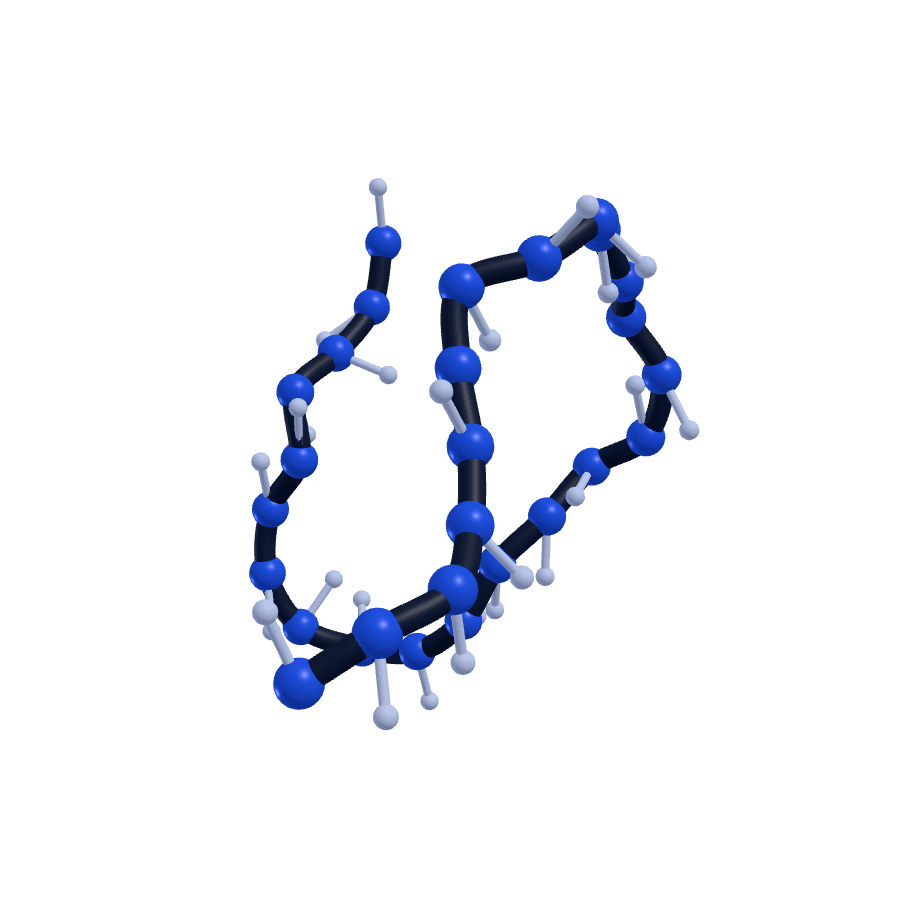
Thymosin α1
BImmune-modulating thymic peptide. Approved in China and ~30 other countries; failed its largest trial.
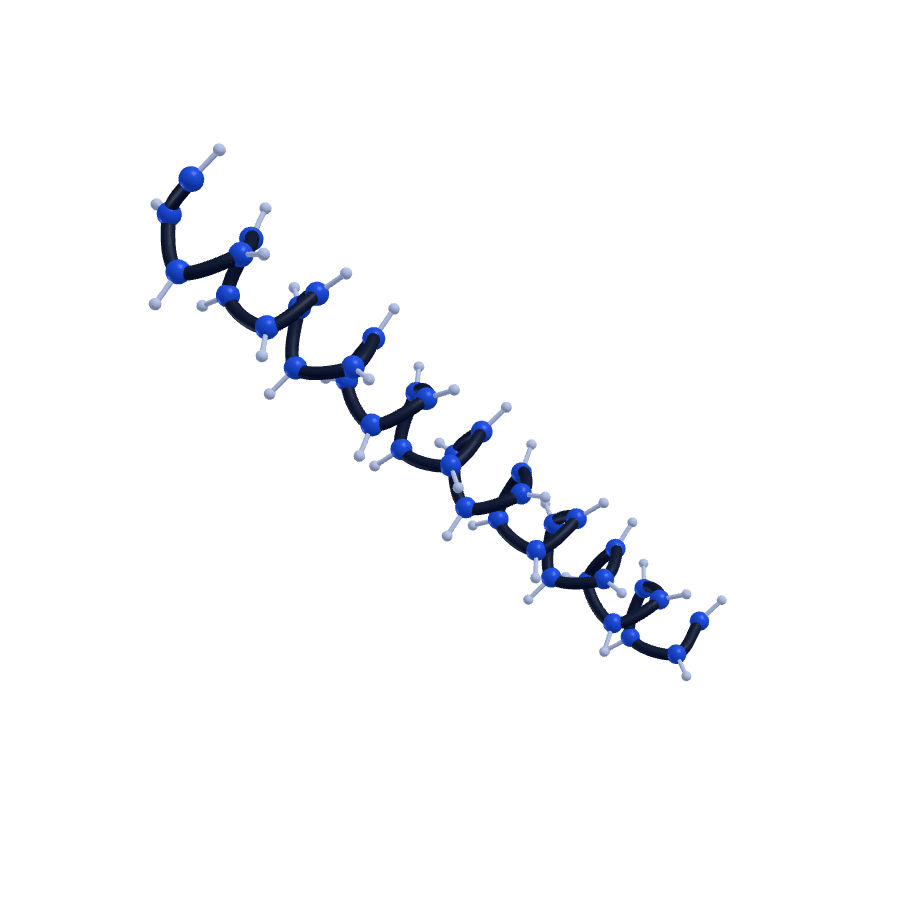
LL-37
CThe human cathelicidin antimicrobial peptide. Two randomised wound-healing trials; not approved.
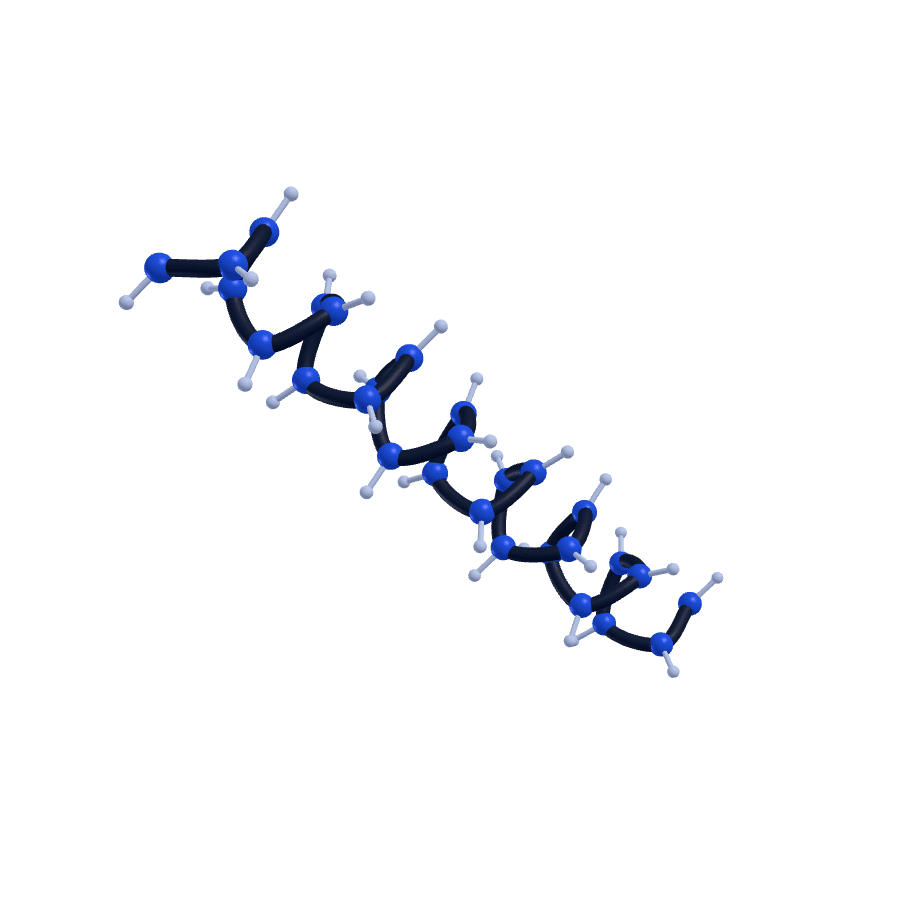
VIP (vasoactive intestinal peptide)
BA 28-amino-acid gut and nerve hormone. Licensed in a few countries for erectile dysfunction; a 461-person COVID trial found nothing; sold as a nasal spray for 'mould illness' with no trial at all.
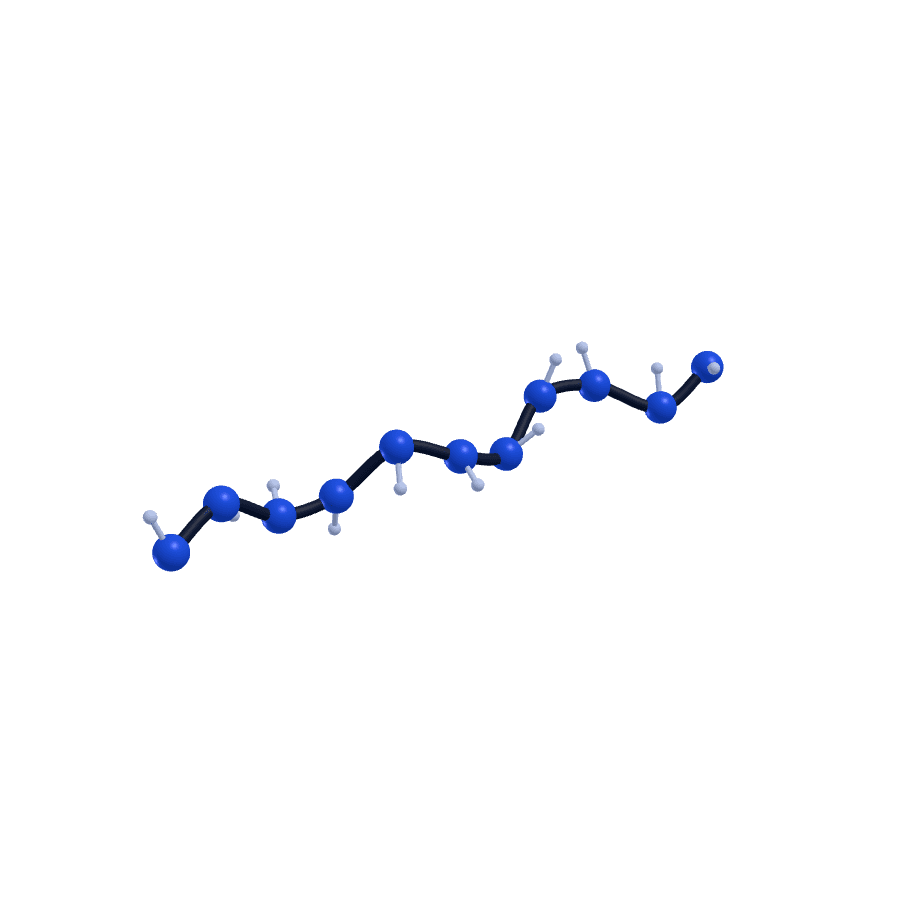
ARA-290 (cibinetide)
CAn 11-amino-acid fragment of erythropoietin that repairs without raising red cells. A real phase 2 in a rare neuropathy; sold online for everything else.
Thymalin
CA calf-thymus peptide extract registered in Russia since the 1980s. Its longevity claim rests on one St Petersburg series without randomisation or blinding.
Questions
Is thymosin alpha-1 approved?
Is thymalin the same as thymosin alpha-1?
Is LL-37 the same as TB-500?
Did VIP work for COVID-19?
Does LL-37 help wounds heal?
Related families
- Tissue-repair peptides5 compounds
- Mitochondrial, antioxidant and longevity compounds11 compounds
Written and maintained by LYO Research — how pages are written and checked. Reviewed 23 September 2026. Grades count human evidence only. Not medical advice. Correct this page →