What the human research shows
Interesting preclinical anti-inflammatory biology and a complete absence of human evidence. Everything sold about KPV for gut health, wound healing or recovery rests on mouse and petri-dish studies.
Evidence profile0–5
- Metabolic & weight—0.0
- Cardiovascular—0.0
- Muscle & growth—0.0
- Healing & repairD0.0
- Neuro & sleep—0.0
- Immune & inflammationD0.0
- Sexual & hormonal—0.0
- Skin & appearance—0.0
- Ageing & longevity—0.0
| Outcome | Grade | Effect size | Human studies | Where the evidence comes from |
|---|---|---|---|---|
| Intestinal / systemic inflammation | DNo human evidence | Not measurable | 0 controlled | KPV reduces inflammation in mouse models of colitis and in cultured immune and epithelial cells, including when delivered by targeted nanoparticles. No human trial has tested it. |
| Wound healing / recovery | DNo human evidence | Not measurable | None | Popular claims about wound healing and recovery extend from the α-MSH anti-inflammatory literature; there is no controlled human study of KPV for these uses. |
| Safety in humansadverse | DNo human evidence | Not measurable | None | No human dosing study exists, so there is no safety dataset at any dose or route. |
Literature searched to 3 September 2026. Human studies only; animal and cell work informs the mechanism section and nothing else.
What it is
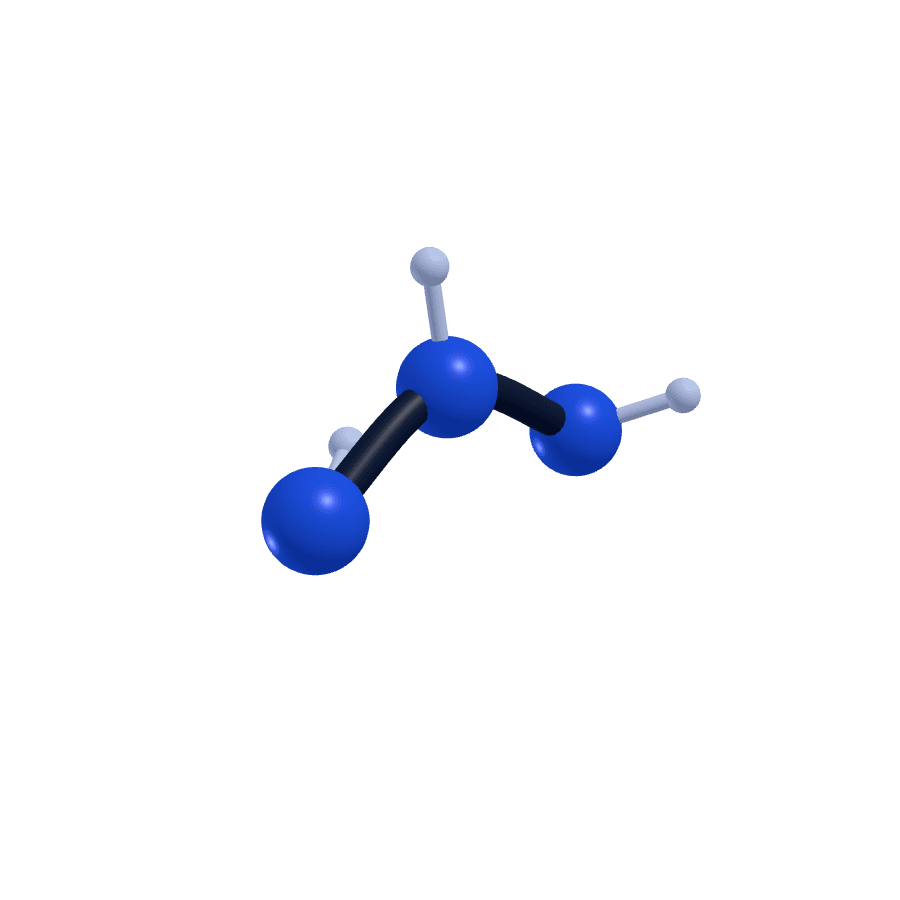
KPV is the C-terminal tripeptide of α-melanocyte-stimulating hormone, the same hormone that Melanotan mimics — but this small fragment lacks the pigment and appetite activity and retains an anti-inflammatory signature in laboratory models.
It is sold as an oral or injectable 'gut-healing' and anti-inflammatory peptide. That marketing runs far ahead of the evidence, which is entirely preclinical.
How it is thought to work
In cells it appears to interfere with inflammatory signalling pathways (such as NF-κB) and can be taken up by a peptide transporter that is over-expressed in inflamed gut tissue. Whether any of this happens usefully in a person is untested.
What is still unknown
- Whether it does anything in a human being.
- Dose, route, stability and safety in people — none established.
- Whether oral KPV survives digestion in a useful form.
The molecule and how long it lasts
- Formula
- C16H30N4O4
- Molecular weight
- 342.43 g/mol
- CAS number
- 67727-97-3
- PubChem
- CID 125672
Recorded as MSH(11-13)
PubChem record, read 23 September 2026.
- Route
- Oral or injected as sold; no human study
- Half-life
- No human pharmacokinetic data
No pharmacokinetic study in people.
Regulatory status
No marketing authorisation in any member state. Supplying it for human use is an offence under national medicines law; a 'research use only' label does not change that.
Not an approved drug and not a dietary-supplement ingredient. Sold as a 'research chemical' outside the medical system; the FDA has warned against several compounds in this class.
Not licensed by the MHRA. Selling or supplying it for human use is an offence under the Human Medicines Regulations 2012.
Not on the ARTG. Supply without a prescription is unlawful; imports are seized.
No Drug Identification Number; selling it for human use is illegal.
As a non-approved substance, KPV falls under WADA class S0 (non-approved substances) and is prohibited in and out of competition.
Questions people actually ask
Does KPV help gut inflammation in people?
Is KPV related to Melanotan?
One page per claimed effect
- DDoes KPV help with intestinal / systemic inflammation?0 controlled
- DDoes KPV help with wound healing / recovery?None
- DHow common is safety in humans with KPV?None
References
- 1Kannengiesser K, et al. Melanocortin-derived tripeptide KPV has anti-inflammatory potential in murine models of inflammatory bowel disease.Inflamm Bowel Dis, 2008;14:324–331Mouse colitis models.
- 2Xiao B, et al. Orally targeted delivery of tripeptide KPV via hyaluronic-acid-functionalized nanoparticles alleviates ulcerative colitis.Mol Ther, 2017;25:1628–1640Mouse targeted-delivery study.
Change log
- 2026-09-03Initial publication. All outcomes graded D on absence of human trials.