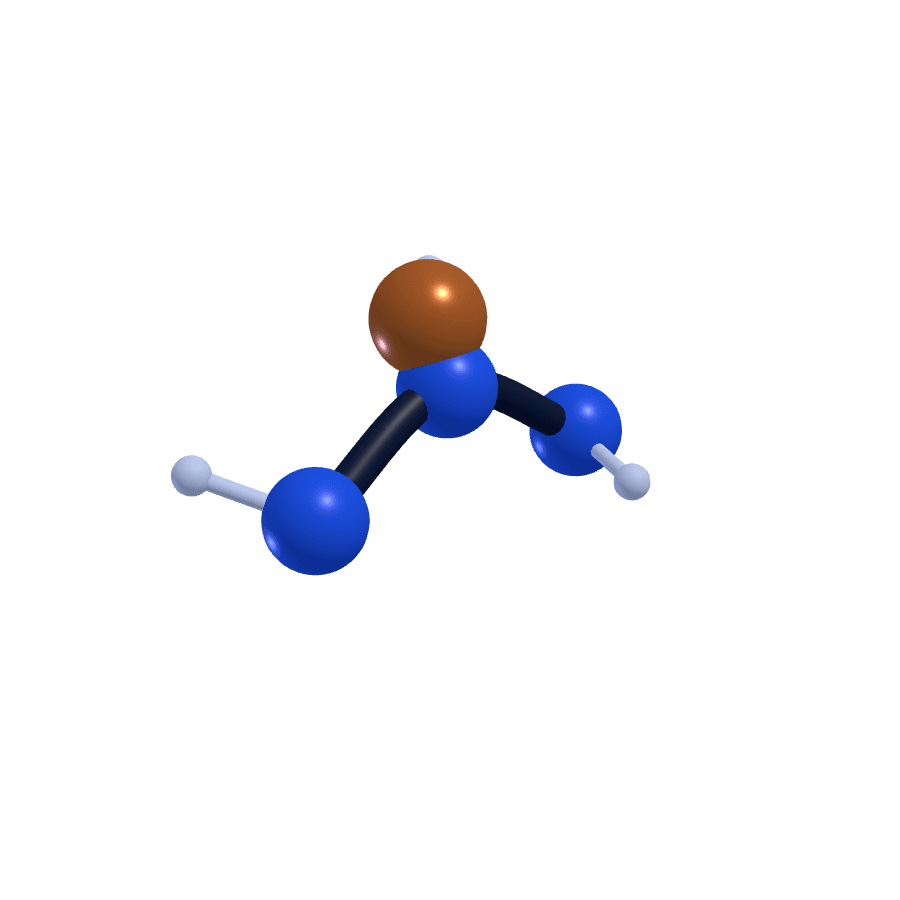
What the human research shows
A legitimate cosmetic ingredient with a small, mostly industry-funded human literature for topical use, and a grey-market injectable with none. The two uses share a name and nothing else on this page.
Evidence profile0–5
- Metabolic & weight—0.0
- Cardiovascular—0.0
- Muscle & growth—0.0
- Healing & repairC0.7
- Neuro & sleep—0.0
- Immune & inflammation—0.0
- Sexual & hormonal—0.0
- Skin & appearanceC0.7
- Ageing & longevity—0.0
| Outcome | Grade | Effect size | Human studies | Where the evidence comes from |
|---|---|---|---|---|
| Skin appearance (topical) | CWeak | Small | 3–4 small trials | Twelve-week facial studies in the late 1990s and early 2000s reported improved skin laxity, clarity and fine lines versus vehicle or comparators. Small, short, largely industry-run.12 |
| Wound healing (topical) | CWeak | Small | Small trials, mixed | A GHK-Cu gel was tested on diabetic foot ulcers in the 1990s with mixed results; the product was not carried forward.3 |
| Hair growth | DNo human evidence | Not measurable | None controlled | Claims rest on cell and animal work and on analogy with minoxidil; no human trial. |
| Any outcome (injected) | DNo human evidence | Not measurable | None | Unstudied in humans. Injecting a copper complex without data on distribution or dose is not a safety-neutral act. |
Literature searched to 2 September 2026. Human studies only; animal and cell work informs the mechanism section and nothing else.
Registered trials
ClinicalTrials.gov lists 1 interventional study naming GHK-Cu as an intervention, 1 recruiting, and none with results posted to the registry.
A registration is not a result. Anyone can register a study, and many never report — so this list shows what has been attempted, not what has been shown. The graded evidence above is the answer to whether something works.
| Study | Phase | Status | Participants | Sponsor | Results |
|---|---|---|---|---|---|
| Topical GHK-Cu Gel for Acute Skin Wound HealingNCT07437586 · started Feb 2026 | Phase 2 | Recruiting | 60* | Hudson Biotech | None |
Participant counts marked * are the sponsor's estimate, not a final enrolment. Source: ClinicalTrials.gov, read directly from the registry and refreshed weekly.
What it is
GHK-Cu was isolated from human plasma in 1973 by Loren Pickart, who noticed that plasma from young people made old liver cells behave like young ones. The peptide's affinity for copper is what gives it biological activity, and much of what is written about it comes from Pickart's own laboratory over the following five decades.
It is used at low concentrations in serums and creams, and appears in the gene-expression literature as a molecule that shifts the activity of a large number of genes in cell culture — a finding that reads as more impressive than it is until it is tested in people.
How it is thought to work
Proposed mechanisms are plausible for skin: stimulation of collagen and elastin synthesis, recruitment of repair cells, and antioxidant effects, all shown in cultured cells and animal wounds. The topical trials are consistent with a modest effect on skin quality. Whether any of this happens after injection — and where the copper goes — is unknown.
What is still unknown
- Whether topical benefits persist beyond the 12-week windows studied.
- Anything at all about injected use: absorption, distribution, dose, safety.
- How much of the cell-culture gene-expression data translates to living tissue.
The molecule and how long it lasts
- Formula
- C14H21CuN6O4-
- Molecular weight
- 400.90 g/mol
- CAS number
- Not listed
- PubChem
- CID 139035031
No CAS number listed on the PubChem record
PubChem record, read 23 September 2026.
- Route
- Topical in the trials; injected as sold, with no human study
- Half-life
- No human pharmacokinetic data
No pharmacokinetic study in people.
Regulatory status
Permitted in cosmetics. Injectable products presented for human use are unauthorised medicinal products.
Placed in Category 1 for non-injectable routes in 2023 (may be compounded topically pending review). The injectable nomination is listed as withdrawn since April 2026.
Lawful in topical cosmetics. Injectable products are unlicensed medicines.
Topical cosmetic use is unregulated as a medicine. Injectable GHK-Cu was named in the TGA's April 2026 advisory.
Injectable products have no DIN and cannot lawfully be sold.
Not listed. As a cosmetic it raises no doping question; injected as an unapproved drug it would fall under S0.
Questions people actually ask
Does GHK-Cu work for wrinkles?
Is injecting GHK-Cu safe?
Does GHK-Cu regrow hair?
One page per claimed effect
- CDoes GHK-Cu help with skin appearance?3–4 small trials
- CDoes GHK-Cu help with wound healing?Small trials, mixed
- DDoes GHK-Cu help with hair growth?None controlled
- DDoes GHK-Cu help with any outcome?None
References
- 1Pickart L, Margolina A. Regenerative and protective actions of the GHK-Cu peptide in the light of the new gene data.Int J Mol Sci, 2018;19:1987 (review)Review by the peptide's discoverer; declared interest.
- 2Leyden JJ, et al. Skin care benefits of copper peptide containing facial cream.American Academy of Dermatology meeting, 2002 (abstract)Twelve-week facial study; conference abstract, industry-supported.
- 3Mulder GD, et al. Enhanced healing of ulcers in patients with diabetes by topical treatment with glycyl-L-histidyl-L-lysine copper.Wound Repair Regen, 1994;2:259–269Small trial of a GHK-Cu gel on diabetic foot ulcers.
Change log
- 2026-09-02Full page. Added wound-healing and hair rows, mechanism, regional status and FAQ.
- 2026-09-01Initial publication.