What the human research shows
The comparison with GHK-Cu is the point of this page: same copper, same 'peptide' marketing, and a hundredth of the evidence. Nothing here is human.
Evidence profile0–5
- Metabolic & weight—0.0
- Cardiovascular—0.0
- Muscle & growth—0.0
- Healing & repair—0.0
- Neuro & sleep—0.0
- Immune & inflammation—0.0
- Sexual & hormonal—0.0
- Skin & appearanceD0.0
- Ageing & longevity—0.0
| Outcome | Grade | Effect size | Human studies | Where the evidence comes from |
|---|---|---|---|---|
| Hair growth (topical, in people) | DNo human evidence | Not measurable | 0 controlled | No human trial of any design. The single study kept plucked human follicles alive in a dish for a week and measured elongation.12 |
| Hair follicle elongation (ex vivo) | DNo human evidence | Not measurable | 1 laboratory study | At nanomolar concentrations AHK-Cu lengthened cultured human follicles and increased dermal papilla cell proliferation; the anti-apoptotic effect it was designed to show was not statistically significant. Laboratory evidence, not clinical.1 |
| Injected use (skin, hair) | DNo human evidence | Not measurable | None | No study of any kind. An injected copper peptide has no established pharmacology in humans. |
| Safety in humansadverse | DNo human evidence | Not measurable | Cosmetic-use experience only | Topical use as a cosmetic ingredient has no reported safety signal; injected use has no data at all. |
Literature searched to 10 September 2026. Human studies only; animal and cell work informs the mechanism section and nothing else.
What it is
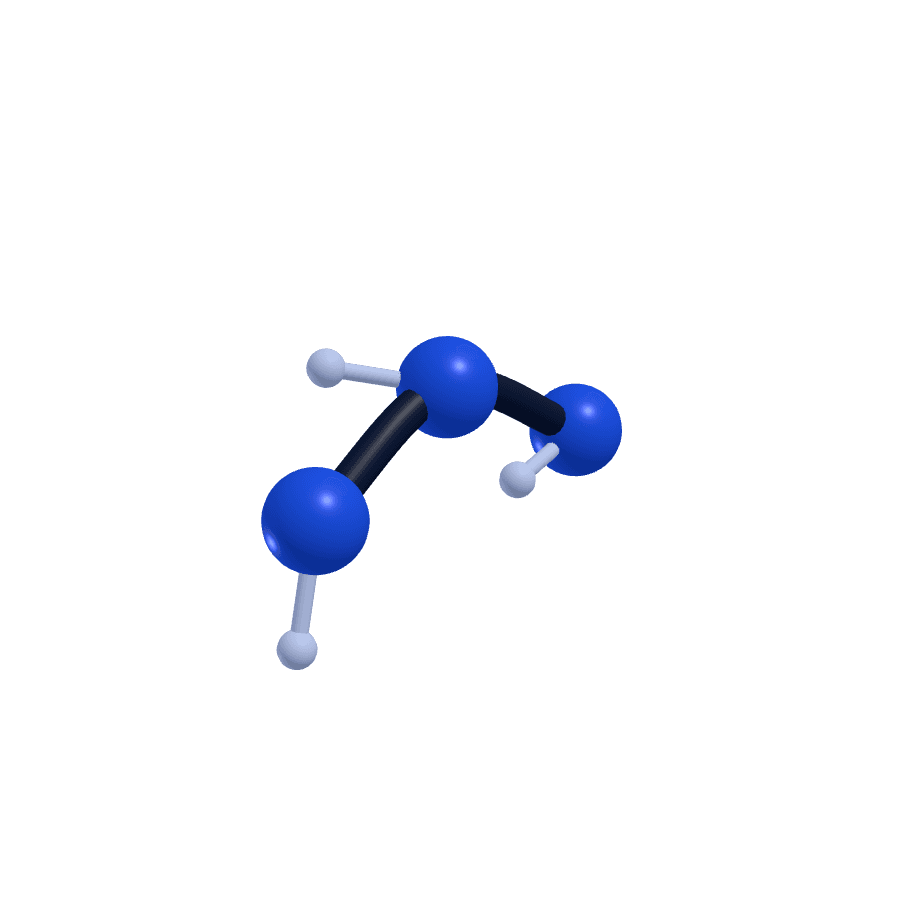
AHK-Cu is a synthetic tripeptide chosen for its resemblance to GHK-Cu, the naturally occurring copper-binding peptide found in human plasma. It appears in hair serums and shampoos and, on the grey market, as a lyophilised injectable sold with GHK-Cu as a 'copper peptide stack'.
Unlike GHK-Cu, it has no human trials at all — not for skin, not for hair. Its reputation rests on one ex vivo study and on the halo of its better-studied relative.
How it is thought to work
Proposed, from the laboratory study: stimulation of dermal papilla cell proliferation and vascular endothelial growth factor, and reduced apoptosis. Whether it penetrates skin, reaches follicles, or does anything at all in a living scalp has not been tested.
What is still unknown
- Whether topical AHK-Cu affects hair in a living person.
- Anything at all about injected use.
The molecule and how long it lasts
- Formula
- C15H24ClCuN6O4-
- Molecular weight
- 451.39 g/mol
- CAS number
- 682809-81-0
- PubChem
- CID 168431292
PubChem record is the hydrochloride
PubChem record, read 23 September 2026.
- Route
- Topical as sold; no human study
- Half-life
- No human pharmacokinetic data
No pharmacokinetic study in people.
Regulatory status
Permitted in cosmetics; no medicinal authorisation. Injectable products are unauthorised medicines.
Sold in cosmetics without drug approval; injectable versions are unapproved drugs.
Same position; injectable use is unlicensed.
Topical cosmetic use permitted; injectables not on the ARTG.
Topical cosmetic use; no DIN for any injectable.
Not on the Prohibited List.
Questions people actually ask
Does AHK-Cu grow hair?
AHK-Cu or GHK-Cu?
Is injecting copper peptides safe?
One page per claimed effect
- DDoes AHK-Cu help with hair growth?0 controlled
- DDoes AHK-Cu help with hair follicle elongation?1 laboratory study
- DDoes AHK-Cu help with injected use?None
- DHow common is safety in humans with AHK-Cu?Cosmetic-use experience only
References
- 1Pyo HK, Yoo HG, Won CH, et al. The effect of tripeptide-copper complex on human hair growth in vitro.Arch Pharm Res, 2007Ex vivo follicles and cultured dermal papilla cells; no human subjects.
- 2Searches of PubMed and trial registries for AHK-Cu in humans.LYO literature search, September 2026No clinical study identified.
Change log
- 2026-09-10Initial publication. Grade D: one ex vivo study, no human trial.