What this family is
This family is defined by where the drug works, not by what it is chemically. Teduglutide is a 33-residue GLP-2 analogue injected daily, and the only approved treatment that reduces dependence on intravenous feeding in short bowel syndrome. Linaclotide is a disulfide-locked 14-residue peptide taken as a capsule, approved for irritable bowel syndrome with constipation and chronic constipation, which the label describes as minimally absorbed with negligible systemic availability — it works on the surface it is already touching. Larazotide is an eight-residue tight-junction regulator for coeliac disease that got as far as phase 3 and no further.
The evidence separates them cleanly. Teduglutide's pivotal trial moved a hard, patient-relevant endpoint: 63% of patients reduced their weekly parenteral volume against 30% on placebo, and more than half gained at least one night a week off the drip. Linaclotide's 26-week phase 3 gave a third of patients a composite response against a seventh on placebo, a number needed to treat of about five. Larazotide's phase 2b met its endpoint at the lowest of three doses while the higher doses did nothing, and the confirmatory phase 3 was discontinued in 2022 after an interim analysis found the effect too small to chase. Two As and a C, and the C is the instructive one.
Each drug's main adverse effect is its own mechanism at a higher intensity: teduglutide is trophic to intestinal mucosa, so its label requires colonoscopic surveillance; linaclotide drives chloride secretion, so about one in twenty patients stops it because of diarrhoea. Teduglutide and linaclotide are prescription-only in every region LYO covers; larazotide is not approved anywhere and anything sold under the name is not the trial drug.
Grade counts across the family: 2 × A · 0 × B · 1 × C · 0 × D. The best grade here, A, means established in humans. How LYO grades →
The compounds, graded
Every member with its best-supported outcome grade, human-trial count and regulatory status. Each opens the full evidence page.
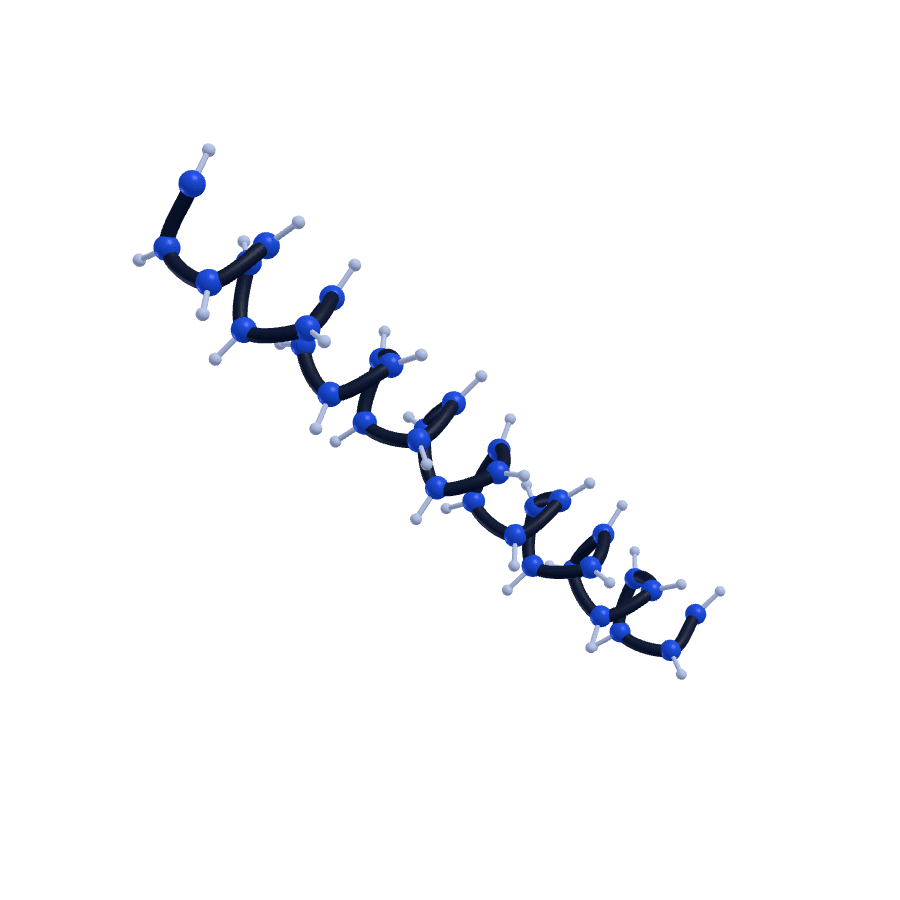
Teduglutide
AA GLP-2 analogue and the only approved drug that reduces the need for intravenous feeding in short bowel syndrome.
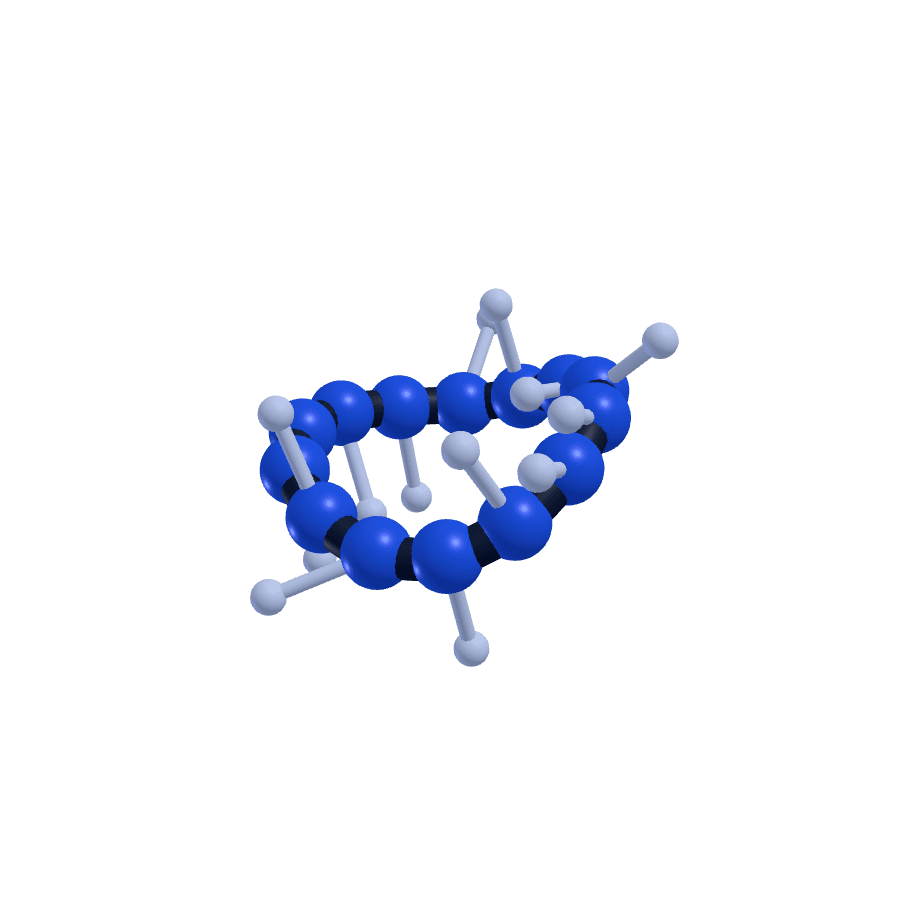
Linaclotide
AA 14-residue peptide taken by mouth that is not absorbed: it works entirely on the inside surface of the gut.
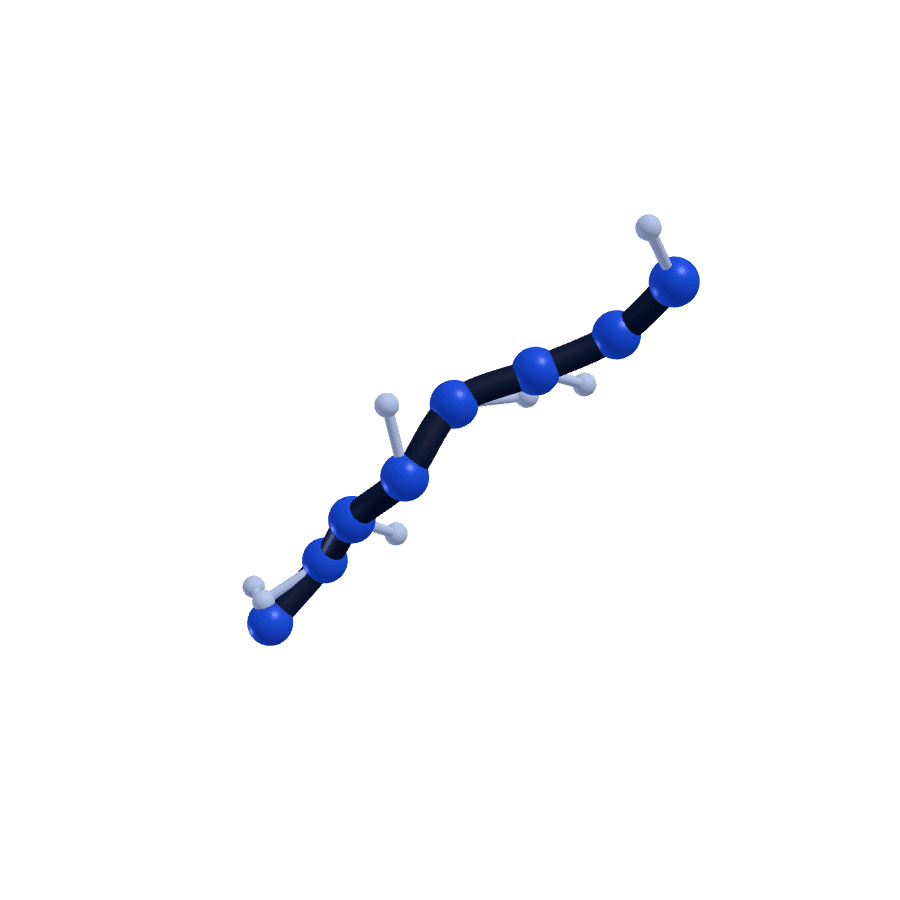
Larazotide
CAn eight-residue tight-junction regulator for coeliac disease: a phase 2b that met its endpoint at the lowest dose only, and a phase 3 stopped for futility.
Questions
Why group these three together?
Which of these can be taken by mouth?
Is there a drug for coeliac disease?
Related families
- GLP-1 and incretin agonists19 compounds
- Established peptide medicines9 compounds
Written and maintained by LYO Research — how pages are written and checked. Reviewed 29 October 2026. Grades count human evidence only. Not medical advice. Correct this page →