What this family is
Argireline (acetyl hexapeptide-8) and Matrixyl (palmitoyl pentapeptide-4) are the two best-known peptides in skincare, and between them they illustrate how cosmetic-ingredient evidence is made. Argireline is a six-residue peptide copying the end of SNAP-25 — the protein botulinum toxin cuts — and is sold as a topical alternative to injections. Matrixyl is a five-residue fragment of type I collagen with a palmitic acid tail attached so it can cross the skin barrier, sold to stimulate collagen production.
Each has exactly one supporting randomised trial. Argireline's is a 60-person, four-week study that reported reduced periorbital roughness and a 48.9%-versus-0% subjective anti-wrinkle rate — and was published three times in 2013 by the same group, which makes the literature look three times larger than it is. Matrixyl's is a 93-woman, twelve-week, split-face study from Procter & Gamble that found significant wrinkle improvement by both instrumental and expert-grader analysis. Matrixyl's trial is the better one; both are graded C, because one industry trial is evidence and not establishment.
Both are lawful cosmetic ingredients in every region LYO covers, neither is a medicine, neither has a safety signal, and neither has been compared with the injectable or prescription treatments they are marketed against. The injectable copper peptides GHK-Cu and AHK-Cu are kept with the tissue-repair peptides, where their injected grey-market use belongs.
Grade counts across the family: 0 × A · 0 × B · 2 × C · 0 × D. The best grade here, C, means weak human evidence. How LYO grades →
The compounds, graded
Every member with its best-supported outcome grade, human-trial count and regulatory status. Each opens the full evidence page.
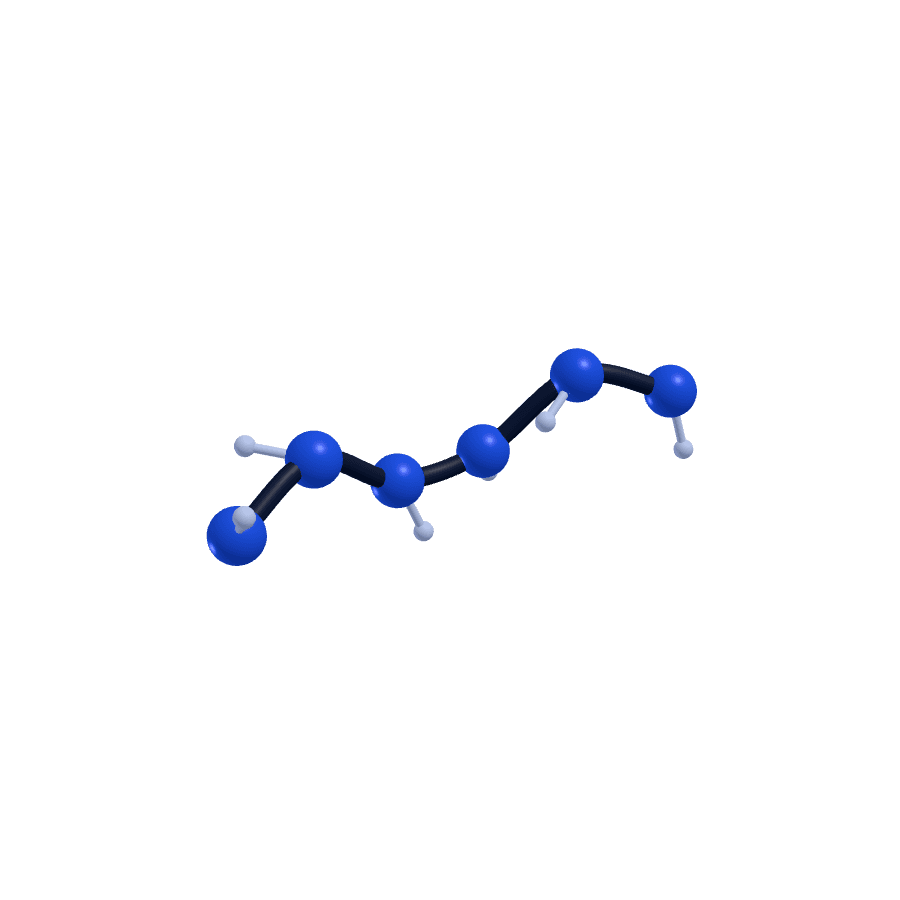
Argireline
CA six-residue cosmetic peptide sold as a topical alternative to botulinum toxin. One small randomised trial supports it — published three times by the same group.
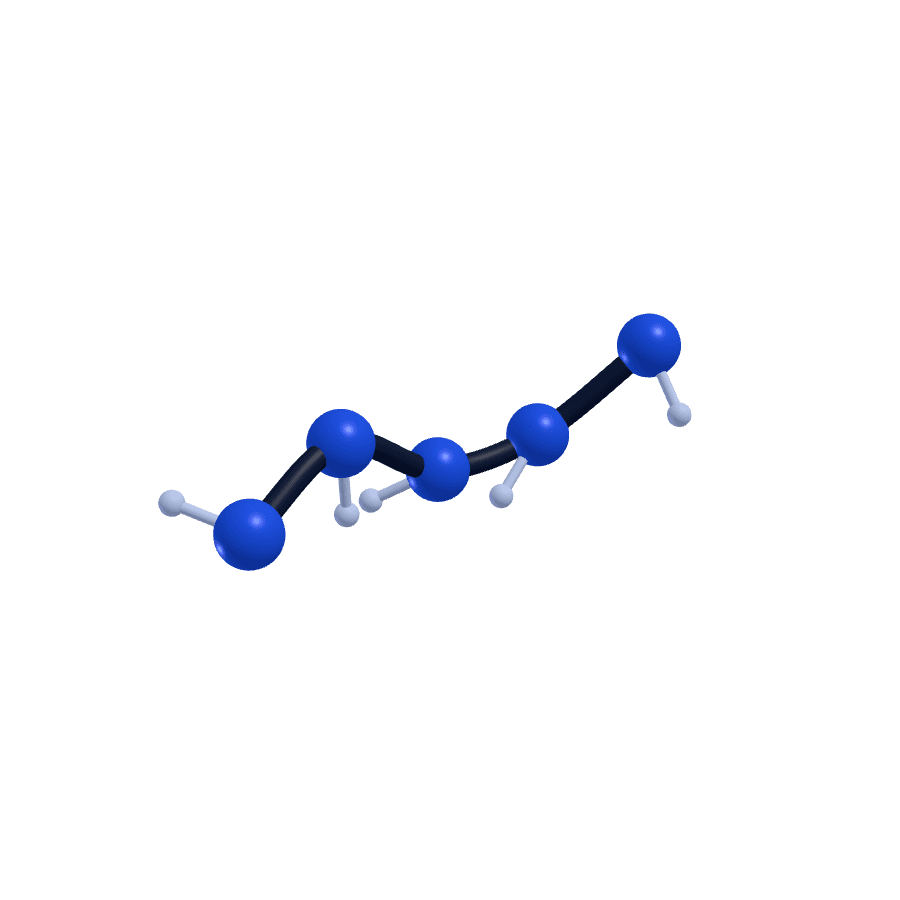
Matrixyl
CA palmitoylated five-residue peptide from collagen, and the best-evidenced cosmetic peptide here: one 93-person split-face trial run by its user.
Questions
Which cosmetic peptide has the best evidence?
Can a peptide applied to skin replace botulinum toxin injections?
Are cosmetic peptides regulated?
Related families
- Tissue-repair peptides5 compounds
- Peptides sold as supplements2 compounds
Written and maintained by LYO Research — how pages are written and checked. Reviewed 29 October 2026. Grades count human evidence only. Not medical advice. Correct this page →