What the human research shows
The benchmark every other page is implicitly compared against: large randomised trials with hard endpoints, decades of follow-up, and a serious, well-measured harm. Grade A throughout.
Evidence profile0–5
- Metabolic & weight—0.0
- Cardiovascular—0.0
- Muscle & growth—0.0
- Healing & repair—0.0
- Neuro & sleep—0.0
- Immune & inflammation—0.0
- Sexual & hormonal—0.0
- Skin & appearance—0.0
- Ageing & longevity—0.0
| Outcome | Grade | Effect size | Human studies | Where the evidence comes from |
|---|---|---|---|---|
| Diabetic retinopathy (type 1, intensive vs conventional) | AEstablished | Large | 1 large RCT (DCCT, n=1,441, 6.5 yr) | Intensive insulin therapy — pump or three or more daily injections with frequent glucose monitoring — reduced new retinopathy by 76% and slowed existing retinopathy by 54%. Kidney and nerve complications fell too.1 |
| Microvascular complications (type 2) | AEstablished | Moderate | 1 large RCT (UKPDS 33, n=3,867, 10 yr) | Intensive glucose control with insulin or a sulphonylurea cut microvascular endpoints by 25% over ten years in newly diagnosed type 2 diabetes; the effect on heart attacks and deaths did not reach significance in the main trial, though it emerged in the ten-year follow-up.2 |
| Severe hypoglycaemiaadverse | AEstablished | Large | Both landmark RCTs | The defining harm. Intensive therapy in the DCCT roughly tripled severe hypoglycaemia; in UKPDS the rate of major episodes on insulin was 1.8% a year against 0.7% on conventional treatment.12 |
| Weight gainadverse | AEstablished | Small | UKPDS and many | Intensive treatment added about 2.9 kg over ten years in UKPDS — the reason insulin is the wrong tool for anyone seeking to lose weight and one reason the GLP-1 drugs exist.2 |
Literature searched to 7 October 2026. Human studies only; animal and cell work informs the mechanism section and nothing else.
Registered trials
ClinicalTrials.gov lists 66+ interventional studies naming Insulin as an intervention — 41 completed, 4 recruiting, and 12 with results posted to the registry.
A registration is not a result. Anyone can register a study, and many never report — so this list shows what has been attempted, not what has been shown. The graded evidence above is the answer to whether something works.
58 further studies are registered. Participant counts marked * are the sponsor's estimate, not a final enrolment. Source: ClinicalTrials.gov, read directly from the registry and refreshed weekly.
What it is
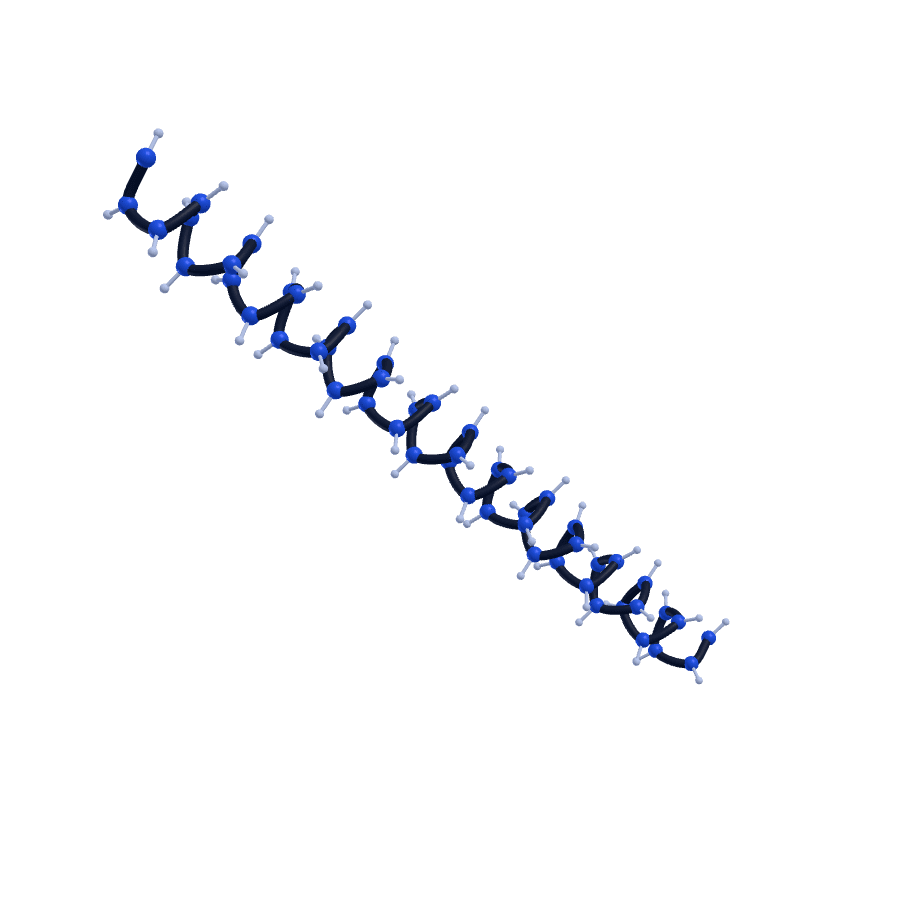
Insulin is a 51-amino-acid protein in two chains held by three disulfide bonds, made in the pancreas and, since 1922, given by injection to people who cannot make enough. Animal insulin gave way to recombinant human insulin in 1982 — the first recombinant medicine of any kind — and then to analogues with altered absorption: rapid (lispro, aspart, glulisine) and long-acting (glargine, detemir, degludec).
It sits on this site as the compound against which every grey-market claim should be read: a real peptide, with real trials, a real effect, and a real, dose-dependent, potentially fatal side effect. It is also bought outside prescription channels by bodybuilders, which is why it is on the WADA list and why insulin-related deaths occur outside diabetes.
How it is thought to work
Insulin binds its receptor on muscle, fat and liver cells and drives glucose out of the blood into cells; it also suppresses glucose production by the liver and promotes fat and protein storage. Too much, or a dose without enough food, drops blood glucose below the level the brain needs — hypoglycaemia — within minutes to hours.
What is still unknown
- The best target and regimen for older adults, where the harm of hypoglycaemia can outweigh the benefit of tight control.
- Whether weekly insulins (icodec, efsitora) change the balance of convenience and hypoglycaemia; both were approved in the US only in 2026.
The molecule and how long it lasts
- Formula
- C257H383N65O77S6
- Molecular weight
- 5808 g/mol
- CAS number
- 11061-68-0
- PubChem
- CID 118984375
Human insulin; the analogues differ by a few residues
PubChem record, read 23 September 2026.
- Route
- Subcutaneous injection; intravenous infusion in hospital
- Half-life
- About 1.5 hours after subcutaneous injection (range 40 minutes to 7 hours); about 20 minutes intravenous
- Licensed regimen (Humulin R (insulin human))
- Individualised to the person's metabolic needs, blood glucose monitoring and glycaemic goals; regular insulin is generally used with an intermediate- or long-acting insulin
From the approved product's prescribing information: Humulin R prescribing information (DailyMed) The regimen is the label's own wording, reproduced as a regulatory fact.
Regulatory status
Human insulins and analogues centrally authorised; some countries allow pharmacy sale of human insulin without prescription.
Analogues are prescription-only. Human regular and NPH insulin (Humulin, Novolin) can be sold over the counter in most states. In 2026 the FDA approved two once-weekly basal insulins for adults with type 2 diabetes: Awiqli (insulin icodec) on 26 March and Onswik (insulin efsitora alfa) on 23 September.
All insulins are prescription-only medicines.
Prescription-only; PBS-subsidised.
Human insulins are Schedule II (behind the counter, no prescription); analogues vary.
Insulins are listed under S4 (hormone and metabolic modulators), in and out of competition; a therapeutic use exemption is required for athletes with diabetes.
Questions people actually ask
Why is insulin on a peptide reference site?
Is insulin a peptide?
What is the main danger?
One page per claimed effect
- ADoes Insulin help with diabetic retinopathy?1 large RCT (DCCT, n=1,441, 6.5 yr)
- ADoes Insulin help with microvascular complications?1 large RCT (UKPDS 33, n=3,867, 10 yr)
- AHow common is severe hypoglycaemia with Insulin?Both landmark RCTs
- AHow common is weight gain with Insulin?UKPDS and many
References
- 1The Diabetes Control and Complications Trial Research Group. The effect of intensive treatment of diabetes on the development and progression of long-term complications in insulin-dependent diabetes mellitus.N Engl J Med, 1993;329:977–9861,441 patients, mean 6.5 years.
- 2UK Prospective Diabetes Study (UKPDS) Group. Intensive blood-glucose control with sulphonylureas or insulin compared with conventional treatment and risk of complications in patients with type 2 diabetes (UKPDS 33).Lancet, 1998;352:837–8533,867 newly diagnosed patients, 10 years.
- 3
- 4FDA. Novel Drug Approvals for 2026 (Awiqli, insulin icodec-abae, 26 March 2026; Onswik, insulin efsitora alfa-gobe, 23 September 2026).FDA, read 7 Oct 2026Both approved to improve glycaemic control in adults with type 2 diabetes.
Change log
- 2026-10-07US row: the two once-weekly basal insulins approved by the FDA in 2026 (Awiqli, 26 March; Onswik, 23 September) added. Grades unchanged.
- 2026-09-23Initial publication as the reference peptide. Grade A on DCCT and UKPDS.