What the human research shows
A well-characterised medicine with a modest benefit and a well-quantified danger. Grade A on certainty; the effect size for nocturia is small, and the sodium risk is the row that matters.
Evidence profile0–5
- Metabolic & weight—0.0
- Cardiovascular—0.0
- Muscle & growth—0.0
- Healing & repair—0.0
- Neuro & sleep—0.0
- Immune & inflammation—0.0
- Sexual & hormonal—0.0
- Skin & appearance—0.0
- Ageing & longevity—0.0
| Outcome | Grade | Effect size | Human studies | Where the evidence comes from |
|---|---|---|---|---|
| Nocturia (night-time voids) | AEstablished | Small | Cochrane review, 14 RCTs (n=2,966 men) | About 0.85 fewer voids per night at three to twelve months against placebo, with low-quality evidence; little difference at under three months. A separate meta-analysis in women found 0.41 fewer.12 |
| Hyponatraemia (older adults)adverse | AEstablished | Moderate | Meta-analysis, 7 studies | Pooled incidence of low sodium 7.6% in older adults treated for nocturia — the reason for sodium checks before and during treatment and for the boxed warning on the US nasal product.3 |
| Central diabetes insipidus | AEstablished | Large | Decades of use; the original indication | Replaces the missing hormone; the standard treatment since the 1970s. Older trials, not modern RCTs, but the effect is unambiguous.4 |
| Nocturnal enuresis in children | AEstablished | Moderate | Cochrane review (2025 update) | Reduces wet nights during treatment; relapse on stopping is common, and alarm training has more durable effect.4 |
Literature searched to 23 September 2026. Human studies only; animal and cell work informs the mechanism section and nothing else.
Registered trials
ClinicalTrials.gov lists 86 interventional studies naming Desmopressin as an intervention — 53 completed, 7 recruiting, and 15 with results posted to the registry.
A registration is not a result. Anyone can register a study, and many never report — so this list shows what has been attempted, not what has been shown. The graded evidence above is the answer to whether something works.
78 further studies are registered. Participant counts marked * are the sponsor's estimate, not a final enrolment. Source: ClinicalTrials.gov, read directly from the registry and refreshed weekly.
What it is
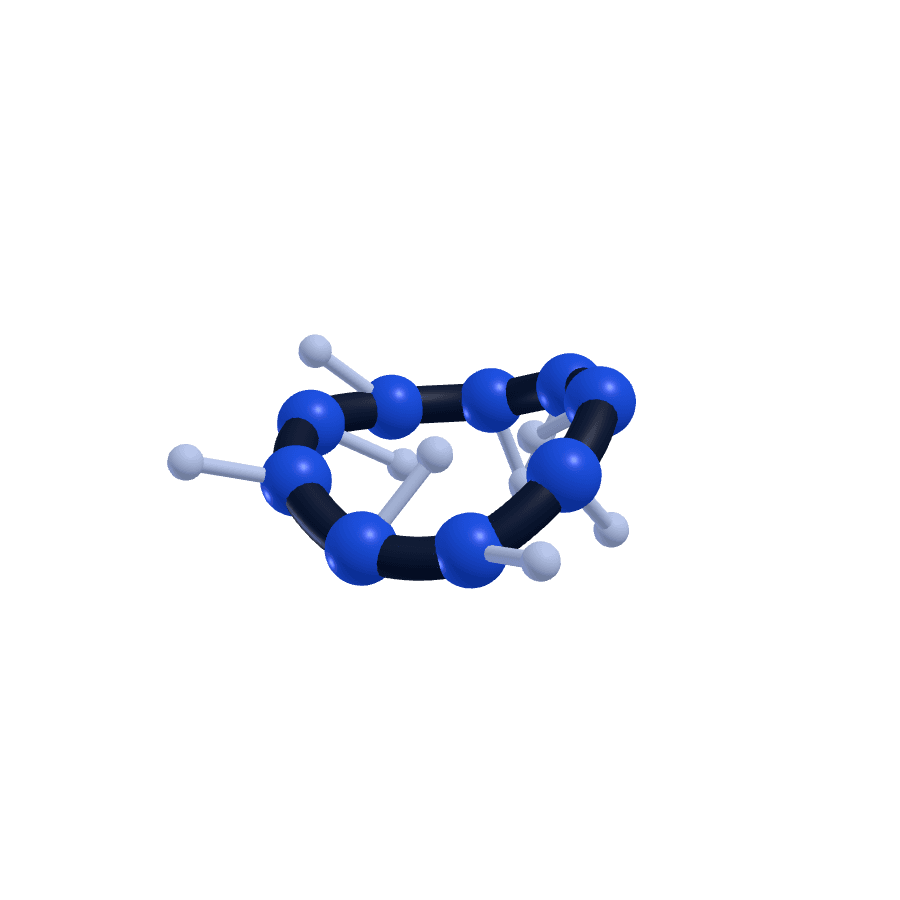
Desmopressin is vasopressin with two changes — the first amino acid deaminated and the eighth switched to its mirror form — which remove most of the blood-pressure effect and extend the half-life. Made by Ferring since 1972, it comes as tablets, melt tablets, nasal spray and injection.
Its uses split by dose: high doses for bleeding disorders (it releases stored von Willebrand factor), lower doses to concentrate urine.
How it is thought to work
It activates V2 receptors in the kidney's collecting ducts, inserting water channels so that water is reabsorbed and urine becomes concentrated. Take it and keep drinking, and the retained water dilutes blood sodium — the mechanism of the hyponatraemia.
What is still unknown
- Quality-of-life benefit in nocturia; the Cochrane review found no evidence either way.
- The best sodium-monitoring schedule for older adults.
The molecule and how long it lasts
- Formula
- C46H64N14O12S2
- Molecular weight
- 1069.2 g/mol
- CAS number
- 16679-58-6
- PubChem
- CID 5311065
PubChem record, read 23 September 2026.
- Route
- Intravenous or subcutaneous injection; also tablets, melt tablets and nasal spray
- Half-life
- About 2.8 hours
- Licensed regimen (DDAVP injection)
- Haemophilia A / von Willebrand type 1: 0.3 mcg/kg (max 20 mcg) IV over 15-30 min; central diabetes insipidus: 2-4 mcg daily in 1-2 divided doses SC or IV
From the approved product's prescribing information: DDAVP injection prescribing information (DailyMed) The regimen is the label's own wording, reproduced as a regulatory fact.
Regulatory status
Nationally authorised products (Minirin, Nocdurna and generics) across member states.
DDAVP and generics; Nocdurna (2018) and Noctiva nasal spray (2017) for nocturia, the latter with a boxed warning for hyponatraemia.
Licensed for diabetes insipidus, enuresis, nocturia and haemophilia A / von Willebrand disease.
Minirin and generics on the ARTG.
DDAVP and generics.
Listed under S5 (diuretics and masking agents) since 2011, because it dilutes urine and can mask other substances.
Questions people actually ask
Is desmopressin a peptide?
Why is desmopressin banned in sport?
What is the main risk?
One page per claimed effect
- ADoes Desmopressin help with nocturia?Cochrane review, 14 RCTs (n=2,966 men)
- AHow common is hyponatraemia with Desmopressin?Meta-analysis, 7 studies
- ADoes Desmopressin help with central diabetes insipidus?Decades of use; the original indication
- ADoes Desmopressin help with nocturnal enuresis in children?Cochrane review (2025 update)
References
- 1Han J, Jung JH, Bakker CJ, Ebell MH, Dahm P. Desmopressin for treating nocturia in men.Cochrane Database Syst Rev, 201714 studies, 2,966 men.
- 2
- 3Weatherall M. The risk of hyponatremia in older adults using desmopressin for nocturia: a systematic review and meta-analysis.Neurourol Urodyn, 2004Pooled incidence 7.6%.
- 4Hahn D, et al. Desmopressin for nocturnal enuresis in children.Cochrane Database Syst Rev, 2025
Change log
- 2026-09-23Initial publication. Grade A; small nocturia effect, hyponatraemia quantified, WADA S5 status recorded.