What the human research shows
Two real, licensed uses with decades of evidence, and one popular use with none. The grade below tracks the use, not the molecule.
Evidence profile0–5
- Metabolic & weight—0.0
- Cardiovascular—0.0
- Muscle & growth—0.0
- Healing & repair—0.0
- Neuro & sleep—0.0
- Immune & inflammation—0.0
- Sexual & hormonalA5.0
- Skin & appearance—0.0
- Ageing & longevity—0.0
| Outcome | Grade | Effect size | Human studies | Where the evidence comes from |
|---|---|---|---|---|
| LH and FSH release (diagnostic) | AEstablished | Large | Approval-grade | A single injection reliably provokes an LH and FSH response, which is the basis of its licence as a pituitary-function test. Not in dispute.3 |
| Fertility in hypogonadotropic hypogonadism (pulsatile pump) | BProbable | Moderate | 7 comparative studies, 420 men (meta-analysis); many small series | In men whose hypothalamus does not produce GnRH, pulsatile gonadorelin by pump induces puberty and sperm production. Against gonadotropin injections it produced larger testes and earlier sperm, but no significant difference in the share who produced sperm, sperm counts or pregnancies; the studies are small and mostly not randomised.1 |
| Preserving testicular function on testosterone therapy | DNo human evidence | Not measurable | None | The use it is most often sold for. A search of the trial literature finds no controlled study of gonadorelin added to testosterone replacement for testicular size, fertility or hormone recovery. The physiological rationale is that intermittent GnRH could keep the pituitary signalling; continuous GnRH does the opposite and shuts it down, which is how the same molecule's analogues treat prostate cancer.12 |
| Adverse effectsadverse | BProbable | Small | Pulsatile-therapy series | Allergic reactions at the infusion site are the characteristic problem of pulsatile therapy; the comparison meta-analysis found fewer oestrogen-related effects (gynaecomastia, acne) than with gonadotropin injections.1 |
Literature searched to 10 September 2026. Human studies only; animal and cell work informs the mechanism section and nothing else.
Registered trials
ClinicalTrials.gov lists 46+ interventional studies naming Gonadorelin (GnRH) as an intervention — 15 completed, 8 recruiting, and 14 with results posted to the registry.
A registration is not a result. Anyone can register a study, and many never report — so this list shows what has been attempted, not what has been shown. The graded evidence above is the answer to whether something works.
38 further studies are registered. Participant counts marked * are the sponsor's estimate, not a final enrolment. Source: ClinicalTrials.gov, read directly from the registry and refreshed weekly.
What it is
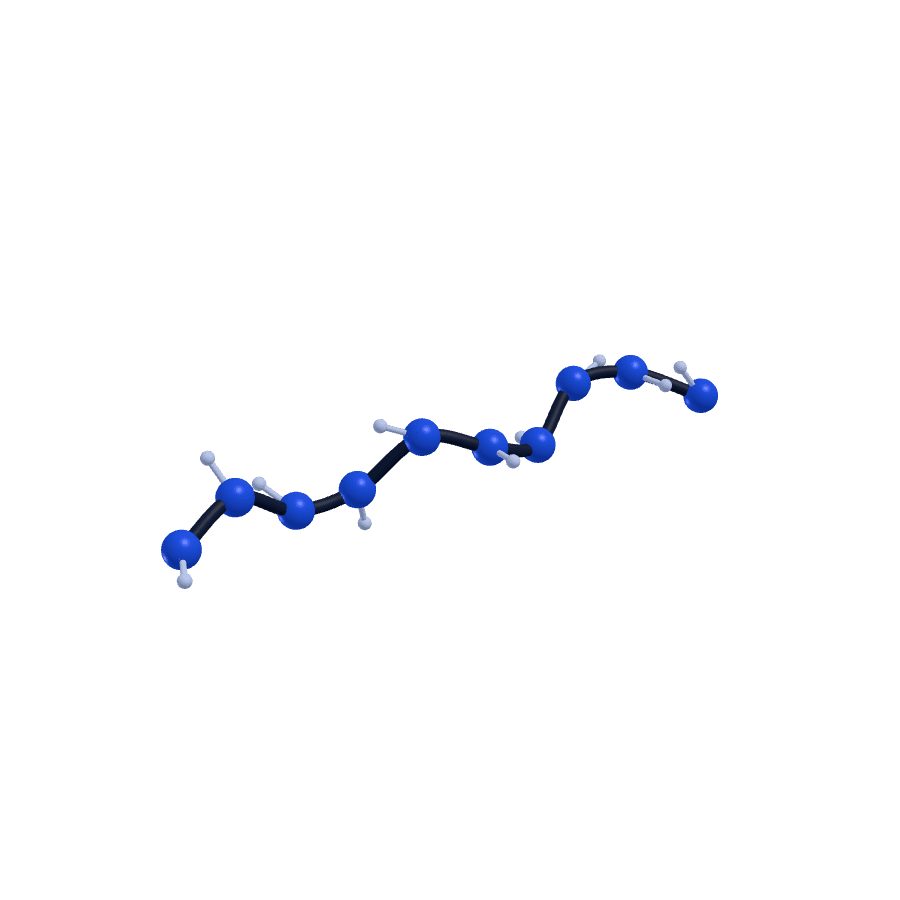
Gonadorelin is identical to the body's own GnRH, a decapeptide discovered in 1971. It is the first signal in the chain that ends in testosterone and oestrogen: hypothalamus to pituitary (LH, FSH) to gonads. It has a half-life of minutes, which is why therapeutic use needs a pump delivering a pulse every 60–120 minutes, mimicking the natural rhythm.
The synthetic analogues built from it — leuprolide, goserelin, triptorelin — are more famous and do the opposite job: given continuously they exhaust the pituitary and switch the axis off, which is how they treat prostate cancer, endometriosis and precocious puberty.
How it is thought to work
Pulsed, it drives LH and FSH release and keeps the axis running. Given continuously or at high doses it desensitises the receptor and suppresses the axis. Timing, not dose, decides which happens — which is the unexamined question at the centre of the TRT use, where it is typically injected a few times a week rather than pulsed.
What is still unknown
- Whether intermittent injections alongside testosterone replacement preserve testicular volume, fertility or recovery of natural production — untested.
- What the optimal pulse regimen is for fertility induction; the comparative studies are heterogeneous and mostly non-randomised.
The molecule and how long it lasts
- Formula
- C55H75N17O13
- Molecular weight
- 1182.3 g/mol
- CAS number
- 33515-09-2
- PubChem
- CID 638793
PubChem record, read 23 September 2026.
- Route
- Subcutaneous or intravenous injection, single diagnostic dose; pulsatile pump for fertility
- Half-life
- About 4 minutes
- Licensed regimen (Gonadorelin 100 micrograms powder for solution for injection (UK))
- 100 micrograms SC or IV as a single diagnostic dose
From the approved product's prescribing information: Gonadorelin 100 micrograms SmPC (UK eMC) The regimen is the label's own wording, reproduced as a regulatory fact.
Regulatory status
National authorisations exist as a diagnostic and, in pump form, for hypothalamic infertility; there is no central authorisation. Use alongside testosterone replacement is off-label.
Factrel (diagnostic) and Lutrepulse (pulsatile) were FDA-approved and later withdrawn from the market for commercial reasons. It is now supplied by compounding pharmacies on prescription, which is how TRT clinics use it.
A 100 microgram injection is licensed for assessing pituitary function. Use on testosterone therapy is off-label.
Schedule 4. LYO did not verify a current ARTG product at review; supply is on prescription or by compounding.
LYO did not verify a current authorised product at review.
Gonadorelin is named on the Prohibited List among gonadotrophin-releasing factors, prohibited in males in and out of competition.
Questions people actually ask
Does gonadorelin keep your testicles from shrinking on TRT?
Is gonadorelin the same as hCG?
Is gonadorelin legal?
One page per claimed effect
- ADoes Gonadorelin (GnRH) help with LH and FSH release?Approval-grade
- BDoes Gonadorelin (GnRH) help with fertility in hypogonadotropic hypogonadism?7 comparative studies, 420 men (meta-analysis); many small series
- DDoes Gonadorelin (GnRH) help with preserving testicular function on testosterone therapy?None
- BHow common is adverse effects with Gonadorelin (GnRH)?Pulsatile-therapy series
References
- 1Wei C, Long G, Zhang Y, et al. Spermatogenesis of male patients with congenital hypogonadotropic hypogonadism receiving pulsatile gonadotropin-releasing hormone therapy versus gonadotropin therapy: a systematic review and meta-analysis.World J Mens Health, 2021;39(4):654–6657 studies, 420 men; mostly non-randomised.
- 2Searches of PubMed and trial registries for gonadorelin added to testosterone replacement therapy.LYO literature search, September 2026No controlled trial of the TRT use identified.
- 3Gonadorelin 100 micrograms powder for solution for injection — Summary of Product Characteristics.MHRA / emc, UKLicensed diagnostic use.
Change log
- 2026-09-10Initial publication. A for the diagnostic response, B for pulsatile fertility therapy, D for the TRT use on absence of any trial.