What the human research shows
Genuinely interesting biology with a genuinely small evidence base. A surrogate endpoint moved in one trial; the symptom people care about did not separate from placebo.
Evidence profile0–5
- Metabolic & weightC0.7
- Cardiovascular—0.0
- Muscle & growth—0.0
- Healing & repairC0.0
- Neuro & sleep—0.0
- Immune & inflammationD0.0
- Sexual & hormonal—0.0
- Skin & appearance—0.0
- Ageing & longevity—0.0
| Outcome | Grade | Effect size | Human studies | Where the evidence comes from |
|---|---|---|---|---|
| Nerve fibre regeneration (sarcoidosis small-fibre neuropathy) | CWeak | Small | 1 phase 2b RCT (n=64, 28 days) | Corneal nerve fibre area rose significantly on the 4 mg dose but not on 1 mg or 8 mg, and regenerating skin fibres increased at 4 mg — a surrogate signal, in a short trial, with a non-monotonic dose response.1 |
| Neuropathic pain | CWeak | Not measurable | Same trial + earlier phase 2 | Pain improved in every arm including placebo; the placebo-corrected difference in the 4 mg group did not reach significance.1 |
| Diabetic neuropathy and metabolic control | CWeak | Small | 1 small phase 2 | A 28-day trial in type 2 diabetes with neuropathy reported improved HbA1c and neuropathic symptoms; small, short, not replicated.2 |
| Healing, recovery, inflammation (grey-market uses) | DNo human evidence | Not measurable | None | Extrapolated from the mechanism and from animal work. No human trial. |
| Adverse effectsadverse | CWeak | Not measurable | Phase 2 trials | Well tolerated in the short trials, with no effect on haemoglobin — the point of the design. No long-term data.1 |
Literature searched to 10 September 2026. Human studies only; animal and cell work informs the mechanism section and nothing else.
Registered trials
ClinicalTrials.gov lists 4 interventional studies naming ARA-290 (cibinetide) as an intervention — 2 completed, and 1 with results posted to the registry.
A registration is not a result. Anyone can register a study, and many never report — so this list shows what has been attempted, not what has been shown. The graded evidence above is the answer to whether something works.
| Study | Phase | Status | Participants | Sponsor | Results |
|---|---|---|---|---|---|
| Study of Efficacy of ARA 290 on Corneal Nerve Fiber Density and Neuropathic Symptoms of Subjects With SarcoidosisNCT02039687 · started Jan 2014 | Phase 2 | Completed | 64 | Araim Pharmaceuticals, Inc. | Posted |
| ARA290 in T2D (Effects of ARA 290, an Erythropoietin Analogue) in Prediabetes and Type 2 Diabetes)NCT01933529 · started Oct 2013 | Phase 2 | Unknown | 24* | Claes-Göran Östenson | None |
| The Use of ARA290 for the Treatment of Diabetic Macular OedemaNCT06626971 · started Apr 2016 | Phase 2 | Terminated | 9 | Belfast Health and Social Care Trust | None |
| Cognitive and Neural Effects of ARA290NCT02070783 · started Feb 2012 | Phase 1 | Completed | 36 | Leiden University Medical Center | None |
Participant counts marked * are the sponsor's estimate, not a final enrolment. Source: ClinicalTrials.gov, read directly from the registry and refreshed weekly.
What it is
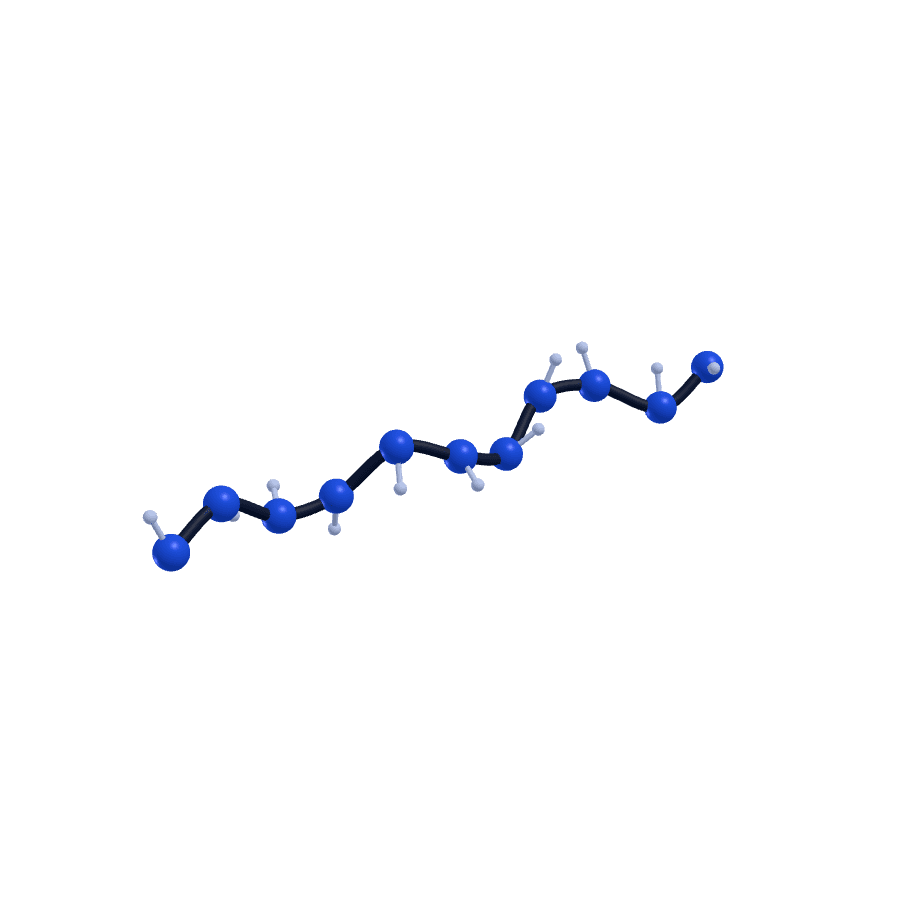
Erythropoietin does two things: it makes red cells through the classical receptor, and it protects injured tissue through a different receptor complex. ARA-290 is an 11-amino-acid piece of EPO's helix B, the part that touches the second receptor and not the first — protection without the clotting and blood-pressure risks of EPO. Araim Pharmaceuticals developed it as cibinetide.
It has orphan designation for sarcoidosis-associated small-fibre neuropathy and a decade of phase 2 work without a phase 3 result. Online it is sold as a general repair and anti-inflammatory peptide.
How it is thought to work
It activates the innate repair receptor — a heteromer of the EPO receptor and the β-common receptor that appears on injured cells — triggering anti-inflammatory and pro-survival signalling. Its half-life is minutes; the effect is proposed to come from a brief trigger rather than sustained exposure.
What is still unknown
- Whether the nerve-fibre signal turns into a clinical benefit over months; no trial has been long enough.
- Why the 8 mg dose did less than 4 mg.
The molecule and how long it lasts
- Formula
- C51H84N16O21
- Molecular weight
- 1257.3 g/mol
- CAS number
- 1208243-50-8
- PubChem
- CID 91810664
PubChem record, read 23 September 2026.
- Route
- Intravenous and subcutaneous in the trials, which report no PK
- Half-life
- No human pharmacokinetic data located
No pharmacokinetic study in people: Heij L, et al. Safety and efficacy of ARA 290 in sarcoidosis patients with symptoms of small fiber neuropathy: a randomized, double-blind pilot study. Mol Med 2012
Regulatory status
Investigational only; orphan designation. Supplying it for human use outside a trial is an offence.
Investigational; orphan designation for sarcoidosis neuropathy. Sold as a 'research chemical'.
No MHRA licence.
Not on the ARTG.
No Drug Identification Number.
A non-approved substance under the non-approved-substances class; it is designed not to stimulate red cells, but that does not exempt it.
Questions people actually ask
Does ARA-290 help nerve pain?
Is ARA-290 like EPO?
Is it approved?
One page per claimed effect
- CDoes ARA-290 (cibinetide) help with nerve fibre regeneration?1 phase 2b RCT (n=64, 28 days)
- CDoes ARA-290 (cibinetide) help with neuropathic pain?Same trial + earlier phase 2
- CDoes ARA-290 (cibinetide) help with diabetic neuropathy and metabolic control?1 small phase 2
- DDoes ARA-290 (cibinetide) help with healing, recovery, inflammation?None
- CHow common is adverse effects with ARA-290 (cibinetide)?Phase 2 trials
References
- 1Culver DA, Dahan A, Bajorunas D, et al. Cibinetide improves corneal nerve fiber abundance in patients with sarcoidosis-associated small nerve fiber loss and neuropathic pain.Invest Ophthalmol Vis Sci, 2017Phase 2b; 64 patients; 28 days.
- 2
Change log
- 2026-09-10Initial publication. Grade C on phase 2 surrogate data; pain did not separate from placebo.