What the human research shows
A settled diabetes medicine whose interesting evidence is off-label: the Parkinson's result is the most positive GLP-1 neuroprotection trial so far, and still a phase 2. Grades are A where the trials are large, B for the Parkinson's finding.
Evidence profile0–5
- Metabolic & weightA3.3
- CardiovascularA0.0
- Muscle & growth—0.0
- Healing & repair—0.0
- Neuro & sleep—0.0
- Immune & inflammation—0.0
- Sexual & hormonal—0.0
- Skin & appearance—0.0
- Ageing & longevity—0.0
| Outcome | Grade | Effect size | Human studies | Where the evidence comes from |
|---|---|---|---|---|
| Blood glucose (HbA1c) | AEstablished | Moderate | GetGoal programme (10+ RCTs) | Approval-grade HbA1c reductions as an add-on in type 2 diabetes, with a particular effect on post-meal glucose because of its short action.3 |
| Major cardiovascular events | AEstablished | Not measurable | 1 large RCT (ELIXA, n=6,068) | In people with type 2 diabetes and a recent acute coronary syndrome, lixisenatide neither increased nor reduced major cardiovascular events — non-inferior to placebo, not superior. The first GLP-1 outcomes trial, and a neutral one.1 |
| Motor progression in early Parkinson's disease | BProbable | Small | 1 phase 2 RCT (n=156, 12 mo) | LIXIPARK: motor scores were essentially unchanged on lixisenatide and worsened by three points on placebo over a year — a statistically clear but clinically modest difference, in a trial too small and short to establish disease modification.2 |
| GI side effectsadverse | AEstablished | Moderate | All trials | The class profile; in the Parkinson's trial, where participants were not diabetic, nausea affected almost half.2 |
Literature searched to 23 September 2026. Human studies only; animal and cell work informs the mechanism section and nothing else.
Registered trials
ClinicalTrials.gov lists 62 interventional studies naming Lixisenatide as an intervention — 52 completed, 2 recruiting, and 27 with results posted to the registry.
A registration is not a result. Anyone can register a study, and many never report — so this list shows what has been attempted, not what has been shown. The graded evidence above is the answer to whether something works.
54 further studies are registered. Participant counts marked * are the sponsor's estimate, not a final enrolment. Source: ClinicalTrials.gov, read directly from the registry and refreshed weekly.
What it is
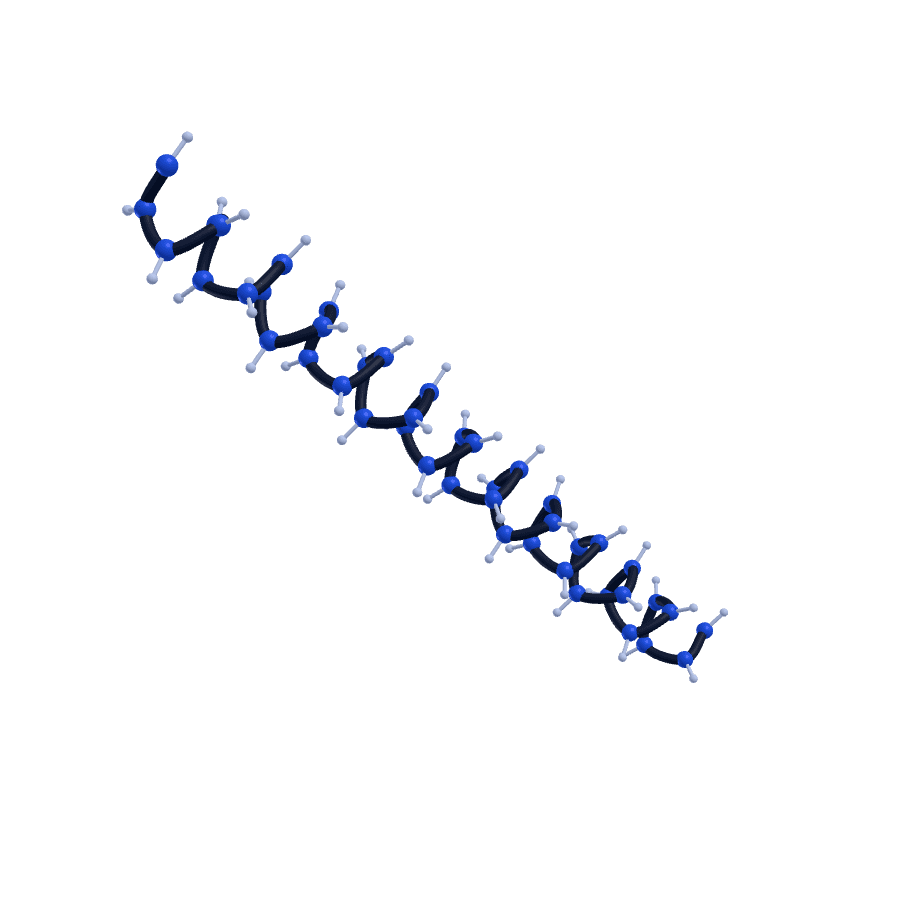
Lixisenatide is a 44-amino-acid exendin-4 analogue with a six-lysine tail, developed by Zealand Pharma and marketed by Sanofi as Lyxumia (EU, 2013) and Adlyxin (US, 2016). Its half-life is about three hours, so it is a once-daily prandial drug rather than a weekly one, and it has been overtaken commercially by the weekly agonists; the fixed combination with insulin glargine (Soliqua/Suliqua) is now the main product.
It earned a second life in neurology: the LIXIPARK trial is the first randomised evidence that a GLP-1 drug may slow Parkinson's progression, after exenatide's phase 3 in the same disease was negative.
How it is thought to work
In diabetes, the usual GLP-1 actions with an emphasis on slowing gastric emptying after meals. In Parkinson's the proposed mechanism is neuroprotection through GLP-1 receptors on neurons and glia — supported by animal models, and now by one phase 2, but not by the negative exenatide phase 3.
What is still unknown
- Whether the Parkinson's effect holds in a larger, longer trial and whether it is disease modification or a symptomatic effect.
- Why exenatide's phase 3 in Parkinson's was negative while lixisenatide's phase 2 was positive.
The molecule and how long it lasts
- Formula
- C215H347N61O65S
- Molecular weight
- 4858 g/mol
- CAS number
- 320367-13-3
- PubChem
- CID 90472060
PubChem record, read 23 September 2026.
- Route
- Subcutaneous injection, once daily before the first meal
- Half-life
- About 3 hours
- Licensed regimen (Soliqua 100/33 (with insulin glargine))
- Soliqua: 15–60 units of insulin glargine with 5–20 mcg lixisenatide once daily, titrated to glucose; standalone lixisenatide (Adlyxin) was 10 mcg daily for 14 days then 20 mcg daily
From the approved product's prescribing information: Soliqua 100/33 prescribing information (DailyMed) The regimen is the label's own wording, reproduced as a regulatory fact.
Regulatory status
Lyxumia authorised 2013; Suliqua (with insulin glargine) authorised 2017. Check availability of the standalone product, which Sanofi has discontinued in several markets.
Adlyxin approved 2016; only the Soliqua combination is currently listed on DailyMed, the standalone product having been discontinued.
Lyxumia and Suliqua licensed by the MHRA.
Registered as Lyxumia / Soliqua.
Adlyxine and Soliqua.
GLP-1 receptor agonists are not on the Prohibited List.
Questions people actually ask
Does lixisenatide treat Parkinson's disease?
Why is lixisenatide less used than semaglutide?
Is lixisenatide a peptide?
One page per claimed effect
- ADoes Lixisenatide help with blood glucose?GetGoal programme (10+ RCTs)
- ADoes Lixisenatide help with major cardiovascular events?1 large RCT (ELIXA, n=6,068)
- BDoes Lixisenatide help with motor progression in early Parkinson's disease?1 phase 2 RCT (n=156, 12 mo)
- AHow common is GI side effects with Lixisenatide?All trials
References
- 1Pfeffer MA, et al. Lixisenatide in patients with type 2 diabetes and acute coronary syndrome (ELIXA).N Engl J Med, 2015;373:2247–22576,068 randomised; HR 1.02.
- 2Meissner WG, et al. Trial of lixisenatide in early Parkinson's disease (LIXIPARK).N Engl J Med, 2024;390:1176–1185156 randomised, 12 months. NCT03439943.
- 3Soliqua 100/33 prescribing information (insulin glargine and lixisenatide).DailyMedRegulatory status and pharmacokinetics.
Change log
- 2026-09-23Initial publication. Grade A on the approval programme and ELIXA; Parkinson's row at B.