What the human research shows
One of the best-evidenced molecules of the decade, with large, consistent effects on weight and blood sugar and a documented cost in side effects. The grades are A because tens of thousands of people have been through controlled trials — not because it is without trade-offs.
Evidence profile0–5
- Metabolic & weightA5.0
- CardiovascularA3.3
- Muscle & growth—0.0
- Healing & repair—0.0
- Neuro & sleep—0.0
- Immune & inflammation—0.0
- Sexual & hormonal—0.0
- Skin & appearance—0.0
- Ageing & longevity—0.0
| Outcome | Grade | Effect size | Human studies | Where the evidence comes from |
|---|---|---|---|---|
| Body weight | AEstablished | Large | 15+ RCTs | STEP programme. Roughly 15% mean loss at 68 weeks versus placebo; consistent across trials.1 |
| Blood glucose (HbA1c) | AEstablished | Large | 10+ RCTs | SUSTAIN programme; the original approval basis in type 2 diabetes.2 |
| Major cardiovascular events | AEstablished | Moderate | 1 large RCT | SELECT trial, 17,604 participants: a 20% relative reduction in people with established cardiovascular disease and no diabetes. A mediation analysis of the trial, published in September 2026, estimated that the measured changes in weight, waist, blood sugar, lipids, blood pressure, inflammation and kidney markers together explain about a third of that reduction (31.4%), with a confidence interval from −30.1% to 143.6% — too wide to say how the drug protects the heart.36 |
| GI side effectsadverse | AEstablished | Large | All trials | Nausea, vomiting and constipation are the most common reasons people stop. Well quantified.13 |
| Lean mass lossadverse | BProbable | Moderate | Sub-studies | A share of weight lost is lean tissue; magnitude and clinical importance still debated.14 |
| BMI in children aged 6–11 | BProbable | Moderate | 1 phase 3 RCT topline (n=165) | STEP Young, reported by press release on 7 September 2026: the primary BMI endpoint was met at 68 weeks, and 40.4% of children on semaglutide finished below the obesity threshold against 0% on placebo. Novo Nordisk reports no growth or pubertal safety signal. Graded B until the paper appears; full data promised for November 2026.5 |
Literature searched to 7 October 2026. Human studies only; animal and cell work informs the mechanism section and nothing else.
Registered trials
ClinicalTrials.gov lists 168+ interventional studies naming Semaglutide as an intervention — 87 completed, 28 recruiting, and 33 with results posted to the registry.
A registration is not a result. Anyone can register a study, and many never report — so this list shows what has been attempted, not what has been shown. The graded evidence above is the answer to whether something works.
160 further studies are registered. Participant counts marked * are the sponsor's estimate, not a final enrolment. Source: ClinicalTrials.gov, read directly from the registry and refreshed weekly.
What it is
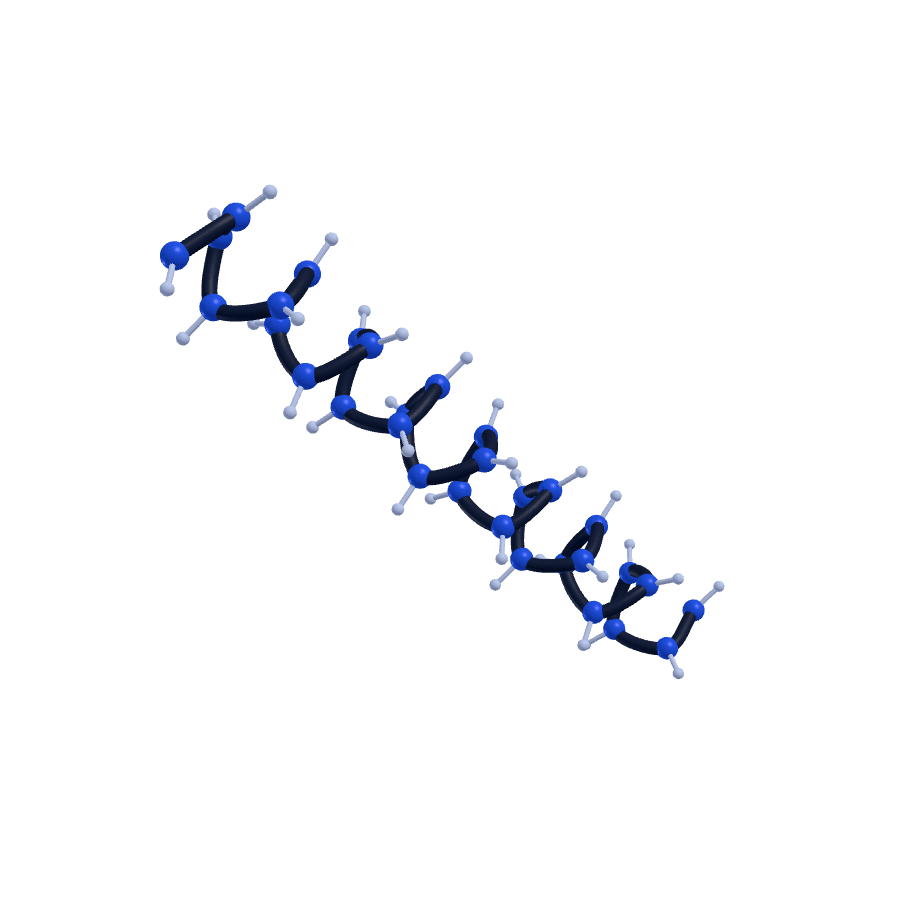
Semaglutide is a modified version of GLP-1, a hormone the gut releases after eating. The modifications extend its half-life from minutes to about a week, which is what makes once-weekly injection possible.
It was approved for type 2 diabetes in 2017 and for chronic weight management in 2021. It is one of the most prescribed medicines in the world and the reason the word “peptide” entered ordinary conversation.
How it is thought to work
It activates GLP-1 receptors in the pancreas, gut and brain: more insulin when glucose is high, slower stomach emptying, and reduced appetite through central signalling. The weight-loss effect is mostly the last of these.
What is still unknown
- What happens to weight and cardiometabolic risk after stopping; regain is substantial in the trials that have looked.
- The long-term significance of lean-mass loss, and whether it matters more in older adults.
- Rare adverse events at population scale, which trials are not powered to detect.
The molecule and how long it lasts
- Formula
- C187H291N45O59
- Molecular weight
- 4114 g/mol
- CAS number
- 910463-68-2
- PubChem
- CID 56843331
PubChem record, read 23 September 2026.
- Route
- Subcutaneous injection, once weekly (also oral tablet, once daily)
- Half-life
- About 1 week
- Licensed regimen (Wegovy)
- Injection: 0.25 mg weekly for 4 weeks, then 0.5 mg (weeks 5-8), 1 mg (weeks 9-12), 1.7 mg (weeks 13-16); maintenance 2.4 mg weekly, up to 7.2 mg weekly for additional weight reduction in adults. Tablets: 1.5 mg daily for 30 days, then 4 mg (days 31-60), 9 mg (days 61-90); maintenance 25 mg daily
From the approved product's prescribing information: Wegovy prescribing information (DailyMed) The regimen is the label's own wording, reproduced as a regulatory fact.
Regulatory status
Ozempic (2018) and Wegovy (2022) authorised via the EMA. Grey-market vials and pens are unlicensed medicines.
Ozempic, Wegovy and Rybelsus. Compounded copies were tolerated only during the shortage, which the FDA declared resolved in February 2025; enforcement discretion ended 22 April (503A) and 22 May 2025 (503B). 990 adverse-event reports for compounded versions by May 2026.
Ozempic, Wegovy and Rybelsus licensed by the MHRA; available on prescription including from registered online pharmacies. Anything sold without a prescription is unlicensed.
Ozempic and Wegovy on the ARTG, prescription-only. Compounded semaglutide has been unlawful since the TGA ended the GLP-1 compounding exemption on 1 October 2024.
Ozempic and Wegovy carry a DIN. Vials sold online as semaglutide were among the products Health Canada seized in August 2025. One lot of a generic semaglutide pen was recalled in September 2026 because it could display and deliver a lower dose than expected.
Not on the 2026 Prohibited List, and WADA confirmed on 21 September 2026 that GLP-1 receptor agonists stay off the 2027 List. Semaglutide remains on WADA's Monitoring Program.
Questions people actually ask
How much weight do people lose on semaglutide?
Does the weight come back after stopping?
Is semaglutide a peptide?
Why are there so many fake versions?
One page per claimed effect
- ADoes Semaglutide help with body weight?15+ RCTs
- ADoes Semaglutide help with blood glucose?10+ RCTs
- ADoes Semaglutide help with major cardiovascular events?1 large RCT
- AHow common is GI side effects with Semaglutide?All trials
- BHow common is lean mass loss with Semaglutide?Sub-studies
- BDoes Semaglutide help with BMI in children aged 6–11?1 phase 3 RCT topline (n=165)
References
- 1Wilding JPH, et al. Once-weekly semaglutide in adults with overweight or obesity (STEP 1).N Engl J Med, 2021;384:989–10021,961 adults; −14.9% vs −2.4% at 68 weeks.
- 2Sorli C, et al. Efficacy and safety of once-weekly semaglutide monotherapy versus placebo in type 2 diabetes (SUSTAIN 1).Lancet Diabetes Endocrinol, 2017First of the SUSTAIN programme.
- 3Lincoff AM, et al. Semaglutide and cardiovascular outcomes in obesity without diabetes (SELECT).N Engl J Med, 2023;389:2221–223217,604 participants; hazard ratio 0.80 for MACE.
- 4Wilding JPH, et al. Weight regain and cardiometabolic effects after withdrawal of semaglutide: the STEP 1 trial extension.Diabetes Obes Metab, 2022Two-thirds of lost weight regained within a year of stopping.
- 5Novo Nordisk. STEP Young phase 3 trial of semaglutide in children aged 6 to under 12 with obesity: topline results.Press release, 7 Sep 2026165 children, 68 weeks. Topline; not peer-reviewed. Full results due at ObesityWeek, 14–17 Nov 2026.
- 6Colhoun HM, et al. Semaglutide and cardiovascular risk reduction: a mediation analysis of the SELECT trial.Eur Heart J, 2026 (online Sep 2026)Joint mediation by all measured risk factors 31.4% (95% CI −30.1 to 143.6); the authors conclude the effect cannot be fully ascribed to known risk factors.
Change log
- 2026-10-07SELECT mediation analysis (Eur Heart J, Sep 2026) added to the cardiovascular row; WADA's 2027 List status (published 21 Sep 2026) and a Canadian recall of one generic lot added to the regional rows. Grades unchanged.
- 2026-09-23New row for the STEP Young paediatric trial (topline, 7 Sep 2026), graded B pending publication. Overall grade unchanged.
- 2026-09-01Initial publication.