What the human research shows
Grade A across the board because the trials are large, published and consistent. The story since 2021 is one of relative decline: semaglutide and tirzepatide roughly double its weight effect, so its role is shifting to price, paediatrics and people who cannot tolerate the weekly drugs.
Evidence profile0–5
- Metabolic & weightA3.3
- CardiovascularA1.7
- Muscle & growth—0.0
- Healing & repair—0.0
- Neuro & sleep—0.0
- Immune & inflammation—0.0
- Sexual & hormonal—0.0
- Skin & appearance—0.0
- Ageing & longevity—0.0
| Outcome | Grade | Effect size | Human studies | Where the evidence comes from |
|---|---|---|---|---|
| Body weight (adults) | AEstablished | Moderate | 5 SCALE RCTs | SCALE Obesity and Prediabetes, 3,731 adults, 56 weeks: −8.0% on liraglutide 3.0 mg versus −2.6% on placebo; 63% versus 27% lost at least 5%, 33% versus 11% at least 10%.1 |
| Major cardiovascular events | AEstablished | Small | 1 large outcome RCT | LEADER, 9,340 people with type 2 diabetes, median 3.8 years: MACE 13.0% versus 14.9% (hazard ratio 0.87, 95% CI 0.79–0.97); cardiovascular death HR 0.78; all-cause death HR 0.85.2 |
| Blood glucose (HbA1c) | AEstablished | Moderate | LEAD programme, 6 RCTs | The original approval basis (Victoza, 2009–2010): HbA1c reductions of roughly 1–1.5 percentage points across the LEAD trials.3 |
| Body weight (adolescents 12–17) | AEstablished | Small | 1 RCT | SCALE Teens, 251 adolescents, 56 weeks: BMI standard-deviation score −0.23 versus −0.00; the first GLP-1 approval for under-18s.4 |
| Body weight (children 6–11) | BProbable | Moderate | 1 RCT | SCALE Kids, 82 children, 56 weeks: BMI −5.8% versus +1.6% on placebo. One small trial; not yet a licensed indication in most jurisdictions.5 |
| GI side effectsadverse | AEstablished | Large | All trials | Nausea in roughly 40% at the 3.0 mg dose in SCALE, vomiting and diarrhoea common; about 10% stopped for adverse events versus 4% on placebo.1 |
| Gallbladder eventsadverse | AEstablished | Small | SCALE + LEADER | Cholelithiasis and cholecystitis were more frequent on liraglutide (2.5% versus 1.0% in SCALE), a class effect partly explained by rapid weight loss.12 |
Literature searched to 3 September 2026. Human studies only; animal and cell work informs the mechanism section and nothing else.
Registered trials
ClinicalTrials.gov lists 187+ interventional studies naming Liraglutide as an intervention — 131 completed, 5 recruiting, and 71 with results posted to the registry.
A registration is not a result. Anyone can register a study, and many never report — so this list shows what has been attempted, not what has been shown. The graded evidence above is the answer to whether something works.
179 further studies are registered. Participant counts marked * are the sponsor's estimate, not a final enrolment. Source: ClinicalTrials.gov, read directly from the registry and refreshed weekly.
What it is
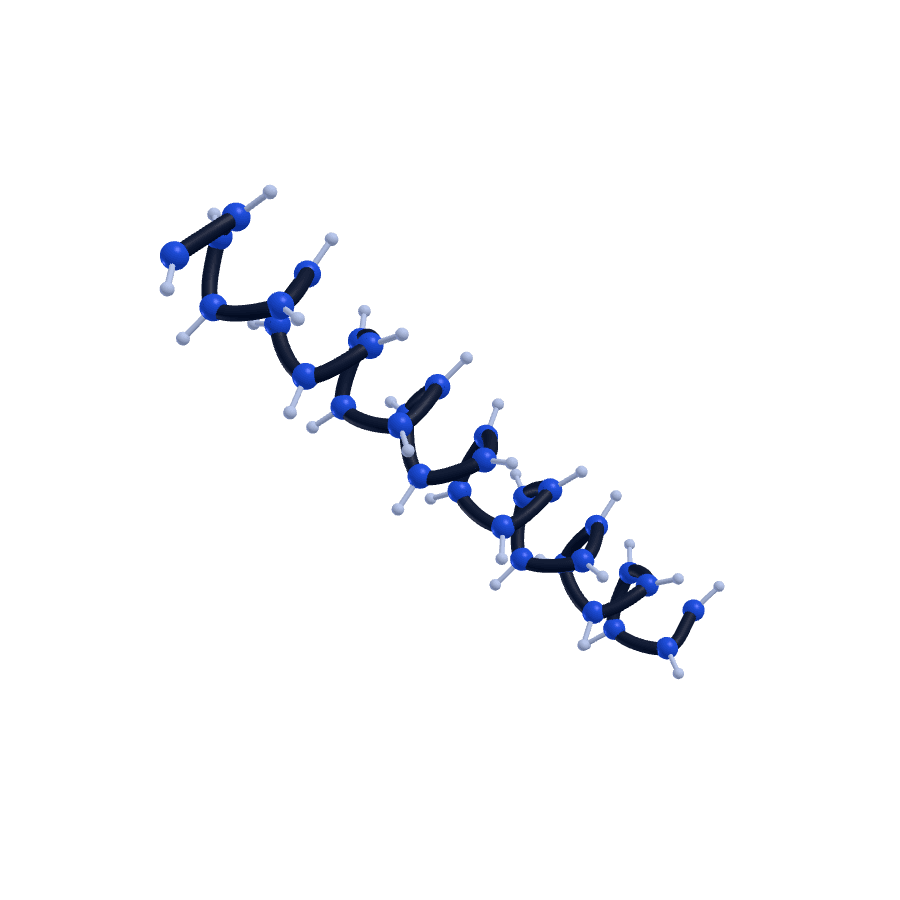
A GLP-1 analogue with a fatty-acid side chain that binds albumin, stretching the hormone's minutes-long half-life to about 13 hours — long enough for once-daily injection. Approved as Victoza for type 2 diabetes (2009 EU, 2010 US) and as Saxenda for obesity at a higher dose (2014–2015).
Patent expiry brought generic liraglutide to the US in 2024 (Victoza) and 2025 (Saxenda), making it the cheapest GLP-1 drug by a wide margin and, for many health systems, the first-line option.
How it is thought to work
Activates GLP-1 receptors in the pancreas (more insulin, less glucagon after meals), the stomach (slower emptying) and the hypothalamus and brainstem (less appetite). The weight effect is mostly appetite; the glucose effect mostly pancreatic.
Because it is dosed daily and its peak is shorter, the weight loss is roughly half that of semaglutide in head-to-head comparison (STEP 8: 15.8% versus 6.4% at 68 weeks).
What is still unknown
- Long-term outcomes in children on the drug for years.
- How much of the cardiovascular benefit in LEADER transfers to people without diabetes — the equivalent trial was run with semaglutide, not liraglutide.
The molecule and how long it lasts
- Formula
- C172H265N43O51
- Molecular weight
- 3751 g/mol
- CAS number
- 204656-20-2
- PubChem
- CID 16134956
PubChem record, read 23 September 2026.
- Route
- Subcutaneous injection, once daily
- Half-life
- About 13 hours
- Licensed regimen (Saxenda)
- 0.6 mg daily for 1 week, increase by 0.6 mg weekly (1.2, 1.8, 2.4 mg); maintenance 3 mg daily from week 5
From the approved product's prescribing information: Saxenda prescribing information (DailyMed) The regimen is the label's own wording, reproduced as a regulatory fact.
Regulatory status
Victoza (2009) and Saxenda (2015) authorised via the EMA; generics authorised from 2024.
Victoza (2010), Saxenda (2014); first generic liraglutide launched 2024. Compounded copies are not permitted now that approved generics exist.
Victoza and Saxenda licensed; Saxenda available on the NHS through specialist weight-management services.
Victoza and Saxenda on the ARTG. Compounded GLP-1 copies unlawful since 1 October 2024.
Victoza and Saxenda carry a DIN.
Not on the 2026 Prohibited List.
Questions people actually ask
Is liraglutide as good as semaglutide for weight loss?
Does liraglutide protect the heart?
Is there a generic?
Can children take it?
One page per claimed effect
- ADoes Liraglutide help with body weight?5 SCALE RCTs
- ADoes Liraglutide help with major cardiovascular events?1 large outcome RCT
- ADoes Liraglutide help with blood glucose?LEAD programme, 6 RCTs
- ADoes Liraglutide help with body weight?1 RCT
- BDoes Liraglutide help with body weight?1 RCT
- AHow common is GI side effects with Liraglutide?All trials
- AHow common is gallbladder events with Liraglutide?SCALE + LEADER
References
- 1Pi-Sunyer X, et al. A randomized, controlled trial of 3.0 mg of liraglutide in weight management (SCALE Obesity and Prediabetes).N Engl J Med, 2015; DOI 10.1056/NEJMoa14118923,731 adults, 56 weeks.
- 2Marso SP, et al. Liraglutide and cardiovascular outcomes in type 2 diabetes (LEADER).N Engl J Med, 2016; DOI 10.1056/NEJMoa16038279,340 patients, median 3.8 years.
- 3Liraglutide (Victoza) prescribing information and the LEAD trial programme.FDA labelHbA1c data from six phase 3 trials.
- 4Kelly AS, et al. A randomized, controlled trial of liraglutide for adolescents with obesity (SCALE Teens).N Engl J Med, 2020; DOI 10.1056/NEJMoa1916038251 adolescents, 56 weeks.
- 5Fox CK, et al. Liraglutide for children 6 to <12 years of age with obesity (SCALE Kids).N Engl J Med, 2024; DOI 10.1056/NEJMoa240737982 children, 56 weeks.
Change log
- 2026-09-03Initial publication from the SCALE, LEADER and paediatric trials.