What the human research shows
The counterpart to insulin, and on this site for the same reason: a peptide whose evidence is settled and whose dose–response is unambiguous. Grade A — and a useful reminder that the newer formulations were approved on pharmacodynamic equivalence, not on outcome trials.
Evidence profile0–5
- Metabolic & weight—0.0
- Cardiovascular—0.0
- Muscle & growthD0.0
- Healing & repair—0.0
- Neuro & sleep—0.0
- Immune & inflammation—0.0
- Sexual & hormonal—0.0
- Skin & appearance—0.0
- Ageing & longevity—0.0
| Outcome | Grade | Effect size | Human studies | Where the evidence comes from |
|---|---|---|---|---|
| Reversal of severe hypoglycaemia | AEstablished | Large | Decades of use; approval programme | The licensed indication: glucagon raises blood glucose within minutes by mobilising hepatic glycogen, and is the standard rescue treatment when someone with diabetes cannot take sugar by mouth. The effect is large, fast and uncontested.23 |
| Nasal versus intramuscular delivery | AEstablished | Moderate | 1 randomised crossover trial (n=75) | Seventy-five adults with type 1 diabetes received insulin-induced hypoglycaemia and then either the 3 mg nasal powder or 1 mg intramuscular glucagon, each at separate visits. Treatment success was reached at all but one nasal visit and at every intramuscular visit — the basis for approving a formulation a bystander can actually use.1 |
| Nausea and local discomfortadverse | AEstablished | Moderate | 1 randomised crossover trial (n=75); approval programme | Nausea is intrinsic to glucagon and occurred at a third of visits by either route; the nasal route adds head and facial discomfort. Side effects that matter less than the hypoglycaemia being treated, and worth knowing before the emergency.1 |
| Use for weight loss or body composition | DNo human evidence | Not measurable | None | Glucagon receptor agonism is part of several investigational obesity drugs (survodutide, mazdutide, pemvidutide, retatrutide) because it raises energy expenditure. Glucagon itself has no trial as a weight-loss treatment, is given by emergency routes, and raises blood glucose — the opposite of what a diabetes treatment is for. |
Literature searched to 29 October 2026. Human studies only; animal and cell work informs the mechanism section and nothing else.
Registered trials
ClinicalTrials.gov lists 12 interventional studies naming Glucagon as an intervention — 10 completed, 1 recruiting, and 9 with results posted to the registry.
A registration is not a result. Anyone can register a study, and many never report — so this list shows what has been attempted, not what has been shown. The graded evidence above is the answer to whether something works.
4 further studies are registered. Participant counts marked * are the sponsor's estimate, not a final enrolment. Source: ClinicalTrials.gov, read directly from the registry and refreshed weekly.
What it is
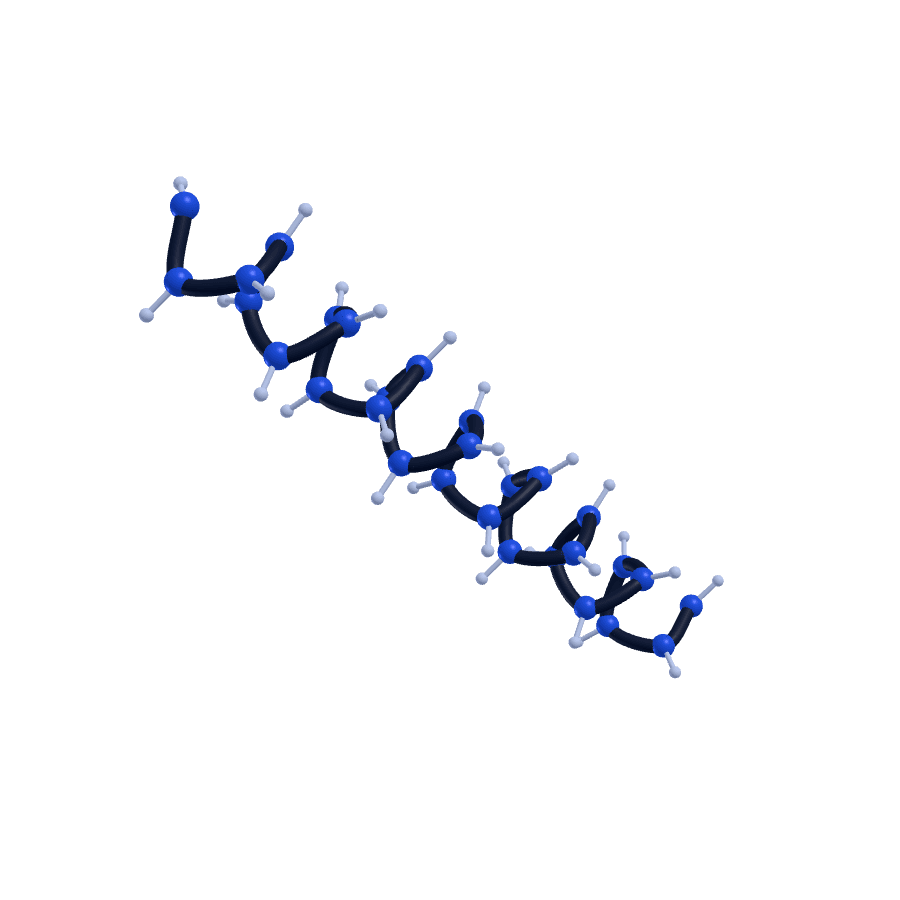
Glucagon is a 29-amino-acid peptide released by pancreatic alpha-cells when blood glucose falls, and insulin's opposite number. As a medicine it has been in use since the 1960s, originally as a powder requiring reconstitution immediately before injection — a design that failed in practice, because severe hypoglycaemia leaves the patient unable to perform the steps and the bystander untrained. The current products are a ready-to-use subcutaneous injection (Gvoke) and a nasal powder (Baqsimi).
It is also used diagnostically — to relax the gut during imaging — and in hospital for beta-blocker overdose. On this site it sits alongside insulin as half of the glucose-regulation pair, and as the hormone whose receptor the newest obesity peptides deliberately activate.
How it is thought to work
Glucagon receptor activation in hepatocytes triggers glycogenolysis and gluconeogenesis, raising blood glucose within minutes, and increases lipolysis and energy expenditure in other tissues. The half-life is short — about half an hour by either route — which is why it is a rescue treatment rather than a maintenance one, and why food follows the injection.
What is still unknown
- Nothing material about the emergency use; this is settled pharmacology.
- Whether sustained glucagon receptor agonism is safe long-term — the question the dual and triple agonists will answer.
The molecule and how long it lasts
- Formula
- C153H225N43O49S
- Molecular weight
- 3482.7 g/mol
- CAS number
- 9007-92-5
- PubChem
- CID 16132283
- Sequence
- HSQGTFTSDYSKYLDSRRAQDFVQWLMNT
PubChem record, read 29 October 2026; the sequence was derived from that record's own structure and checked against the product label where one exists.
- Route
- Subcutaneous injection; also intranasal powder (Baqsimi), intramuscular and intravenous
- Half-life
- About 32 minutes subcutaneously; median about 35 minutes intranasally
- Licensed regimen (Gvoke)
- A single dose for severe hypoglycaemia, with a second dose if there is no response and emergency assistance called; the dose depends on the product and the person's age and weight
From the approved product's prescribing information: Gvoke prescribing information (DailyMed) The regimen is the label's own wording, reproduced as a regulatory fact.
Regulatory status
GlucaGen HypoKit and Baqsimi authorised for severe hypoglycaemia; also authorised for diagnostic use.
Gvoke (ready-to-use injection, 2019) and Baqsimi (nasal powder, 2019), alongside older reconstituted kits.
GlucaGen HypoKit and Baqsimi licensed by the MHRA.
GlucaGen HypoKit registered on the ARTG.
Baqsimi and glucagon injection authorised with Drug Identification Numbers.
Not named on the Prohibited List.
Questions people actually ask
What is glucagon used for?
Does the nasal spray work as well as the injection?
If glucagon burns fat, can it be used for weight loss?
One page per claimed effect
- ADoes Glucagon help with reversal of severe hypoglycaemia?Decades of use; approval programme
- ADoes Glucagon help with nasal versus intramuscular delivery?1 randomised crossover trial (n=75)
- AHow common is nausea and local discomfort with Glucagon?1 randomised crossover trial (n=75); approval programme
- DDoes Glucagon help with use for weight loss or body composition?None
References
- 1Rickels MR, Ruedy KJ, Foster NC, et al. Intranasal glucagon for treatment of insulin-induced hypoglycemia in adults with type 1 diabetes: a randomized crossover noninferiority study.Diabetes Care, 2016;39:264–27075 adults, crossover, 3 mg intranasal versus 1 mg intramuscular.
- 2Gvoke (glucagon injection) prescribing information.DailyMed, read 29 Oct 2026Route, half-life and licensed use of the ready-to-use subcutaneous injection.
- 3Baqsimi (glucagon nasal powder) prescribing information.DailyMed, read 29 Oct 2026Nasal route; median half-life about 35 minutes.
- 4PubChem compound record: glucagon.PubChem, read 29 Oct 2026Formula, molecular weight, CAS and the 29-residue sequence used on this page.
Change log
- 2026-10-29Initial publication. Grade A on the approval programme and the nasal-versus-intramuscular crossover trial.