What the human research shows
One of the few peptides on this site with a genuine approval behind it — and a useful lesson in reading one. The effect is real and statistically significant. It is also small, in a narrow population, and comes with a side-effect burden that made nearly a fifth of participants stop.
Evidence profile0–5
- Metabolic & weight—0.0
- Cardiovascular—0.0
- Muscle & growth—0.0
- Healing & repair—0.0
- Neuro & sleep—0.0
- Immune & inflammation—0.0
- Sexual & hormonalA1.7
- Skin & appearance—0.0
- Ageing & longevity—0.0
| Outcome | Grade | Effect size | Human studies | Where the evidence comes from |
|---|---|---|---|---|
| Sexual desire (premenopausal women, HSDD) | AEstablished | Small | 2 phase 3 RCTs | RECONNECT studies, 24 weeks: FSFI desire-domain change +0.5 to +0.6 vs +0.2 on placebo. Statistically significant, clinically modest.1 |
| Sexual distress (same population) | AEstablished | Small | 2 phase 3 RCTs | Significant reduction in distress score versus placebo on the co-primary endpoint.1 |
| Erectile function / use in men | CWeak | Small | Earlier phase 2 work | Developed originally for erectile dysfunction; intranasal programme was stopped over blood-pressure increases. The approved product and indication are for women.1 |
| Nauseaadverse | AEstablished | Large | Phase 3 | 40% vs 1% on placebo; caused discontinuation in 8%. Overall discontinuation for adverse events 18% vs 2%.1 |
| Flushing and headacheadverse | AEstablished | Moderate | Phase 3 | Flushing 20.3% vs 0.3%; headache 11.3% vs 1.9%; injection-site reactions 13.2% vs 8.4%.1 |
Literature searched to 2 September 2026. Human studies only; animal and cell work informs the mechanism section and nothing else.
Registered trials
ClinicalTrials.gov lists 10 interventional studies naming PT-141 as an intervention — 9 completed, and 4 with results posted to the registry.
A registration is not a result. Anyone can register a study, and many never report — so this list shows what has been attempted, not what has been shown. The graded evidence above is the answer to whether something works.
2 further studies are registered. Participant counts marked * are the sponsor's estimate, not a final enrolment. Source: ClinicalTrials.gov, read directly from the registry and refreshed weekly.
What it is
PT-141 is a synthetic peptide derived from melanotan II, itself an analogue of the hormone that controls skin pigmentation. Researchers noticed that melanotan II produced unexpected sexual arousal in early trials, and bremelanotide was developed to isolate that effect.
It acts in the brain rather than on blood vessels, which makes it mechanistically different from the erectile-dysfunction drugs. It is given as an on-demand injection about 45 minutes before anticipated activity, not daily.
How it is thought to work
It activates melanocortin receptors, particularly MC4R, in brain regions involved in sexual motivation. Because the pathway is central rather than vascular, it does not depend on blood flow — and also why nausea, a melanocortin effect, is so common.
What is still unknown
- Effect and safety in men at the doses used off-label; the approved evidence is in premenopausal women.
- Long-term use beyond the 24-week trials.
- Blood-pressure effects with repeated dosing — the label limits use to eight doses a month.
The molecule and how long it lasts
- Formula
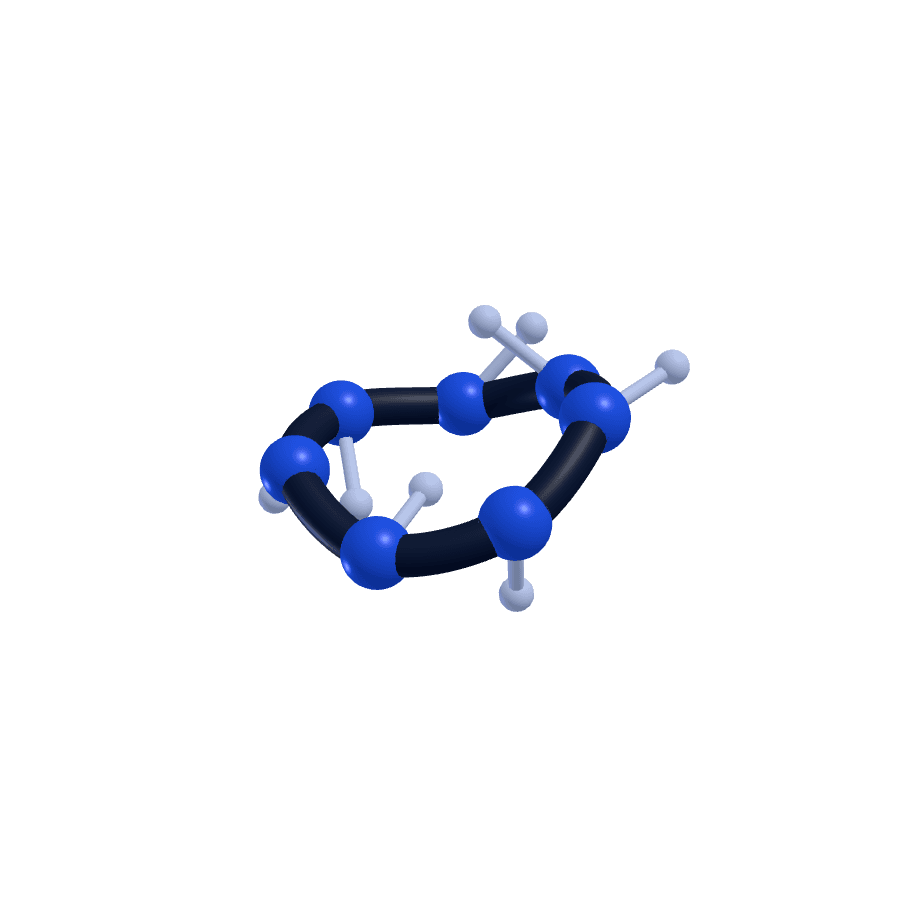
- C50H68N14O10
- Molecular weight
- 1025.2 g/mol
- CAS number
- 189691-06-3
- PubChem
- CID 9941379
PubChem record, read 23 September 2026.
- Route
- Subcutaneous injection, as needed before sexual activity
- Half-life
- About 2.7 hours
- Licensed regimen (Vyleesi (bremelanotide))
- 1.75 mg subcutaneously at least 45 minutes before anticipated sexual activity; no more than 1 dose per 24 hours and no more than 8 doses per month
From the approved product's prescribing information: Vyleesi prescribing information (DailyMed) The regimen is the label's own wording, reproduced as a regulatory fact.
Regulatory status
Vyleesi has no EU marketing authorisation. Vials sold online are unauthorised medicinal products.
Approved in 2019 for hypoactive sexual desire disorder in premenopausal women. 'Research' vials are unapproved drugs.
No MHRA licence; unlicensed medicine when supplied for human use.
Not on the ARTG; prescription-only substance.
No DIN. Bremelanotide was among the products Health Canada seized in August 2025.
An approved drug that is not named in any section.
Questions people actually ask
Does PT-141 work?
Can men use PT-141?
Why does it cause so much nausea?
One page per claimed effect
- ADoes PT-141 help with sexual desire?2 phase 3 RCTs
- ADoes PT-141 help with sexual distress?2 phase 3 RCTs
- CDoes PT-141 help with erectile function / use in men?Earlier phase 2 work
- AHow common is nausea with PT-141?Phase 3
- AHow common is flushing and headache with PT-141?Phase 3
References
- 1VYLEESI (bremelanotide injection) US prescribing information — RECONNECT phase 3 studies (NCT02333071, NCT02338960).FDA label, initial US approval 20191,267 premenopausal women across two 24-week trials; efficacy and adverse-event figures on this page come from the label.
- 2Kingsberg SA, et al. Bremelanotide for the treatment of hypoactive sexual desire disorder: two randomized phase 3 trials (RECONNECT).Obstet Gynecol, 2019;134:899–9081,267 premenopausal women; peer-reviewed report of the two RECONNECT trials.
Change log
- 2026-09-02Initial publication from the FDA label and phase 3 programme.